Skylight Repair Hampshire
Skylight Repair Services in Hampshire
Skylights often leak as a result of perished seals, cracked glass or lifted flashing, allowing water to travel down rafters and stain the plaster below. Repair timescales vary considerably, from a half-day seal renewal to a one or two-day full unit replacement, depending on the extent of the damage.
C J Roofing & Renewables Ltd specialises in skylight repair across Hampshire. We renew seals, replace glazing units and re-dress flashing to prevent water ingress.
Your written, itemised quote follows within 48 hours of the survey. Call 07512976384 for a free site visit. We respond within 48 hours.
Why is your skylight leaking?
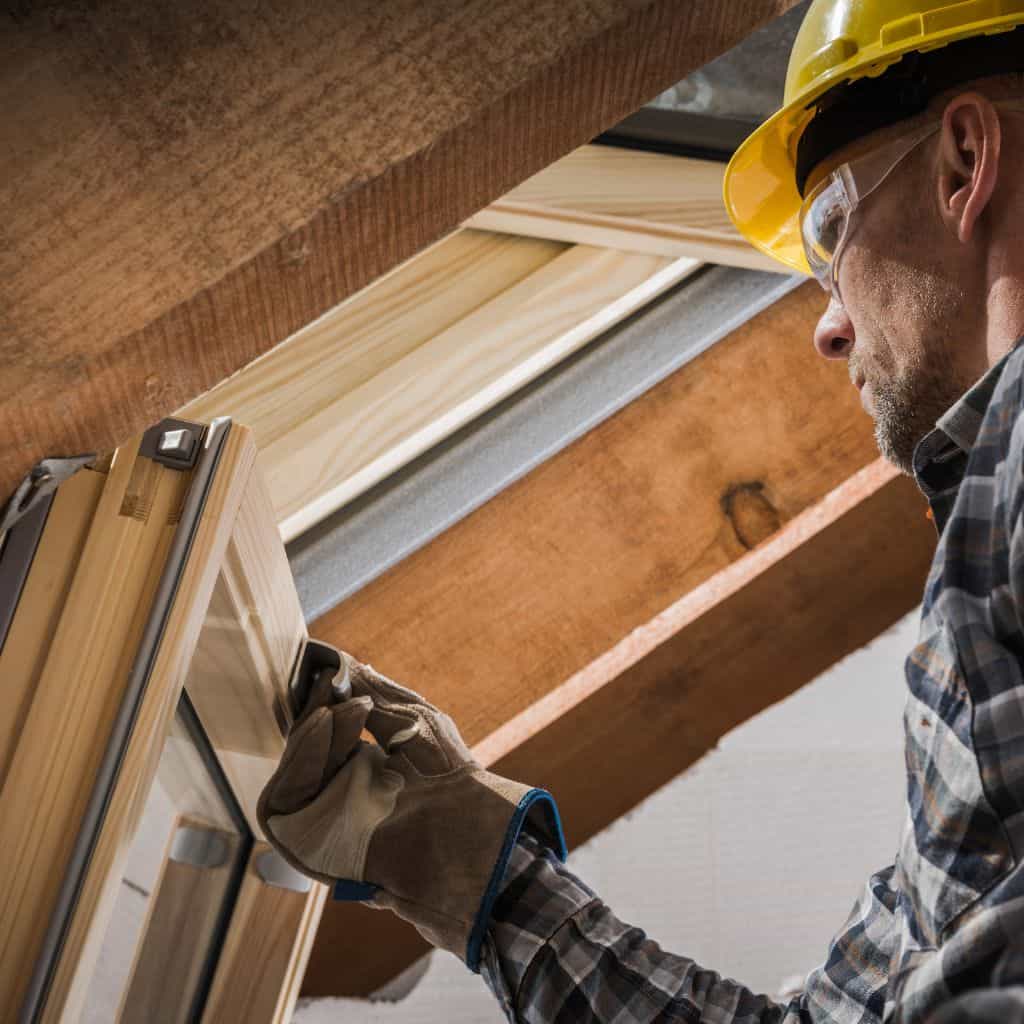
Skylights commonly leak due to perished seals, cracked glass or lifted flashing, which can allow water to run down rafters and stain the plaster below. There are five key failure points that typically cause skylight leaks, each requiring a different repair approach.
Common failure points include:
Upper apron flashing where tiles meet the kerb
The upper apron flashing, where tiles meet the kerb, is a common failure point at which rainwater accumulates and causes leaks. A leak frequently originates here, making this the most important area to inspect.
Rubber gaskets around the inner glazing
Rubber gaskets around the inner glazing are the most frequent source of skylight leaks when they become perished. The majority of skylight issues are traced to deteriorated gaskets rather than broken glass.
Mitred corners of the outer frame
The mitred corners of the outer frame can fail as seals degrade over time, allowing water to enter at the corners. Daylight visible through corner mitres from inside the property is a clear warning sign of frame or flashing failure.
Buckled corners can trap debris and cause water to be retained against the frame. Pine needles from local gardens are a common contributor to this problem. Heavy moss accumulation can form a dam several inches thick, with sufficient weight to warp the frame over time.
Hinge channel on opening models
The hinge channel on opening models is a failure point where wear occurs on moving parts, allowing water ingress through the hinge area. Opening skylights carry additional components compared to fixed units, each of which can deteriorate independently.
Cracked glass or perished seals in the glazing unit
Cracked glass or perished seals in the glazing unit can allow water to run down rafters and stain the plaster below.
If you notice any of these signs, contact us at 07512976384 for a survey.
What causes condensation between the glass panes?
Condensation between the panes indicates a failed hermetic seal, which allows moisture to enter and condense against the inner pane. The inert gas filling has likely escaped, leading initially to misting and subsequently to streaks and a permanent foggy film.
Double-glazed skylights often fail in this way after approximately 15 years, due to degradation of the perimeter butyl strip. Sealed units cannot be refilled on a rooftop; we replace the glazing cassette while retaining the existing frame. Full replacements involve removing the entire unit and reflashing the kerb.
On older loft conversions, we may replace all panes – it is therefore important to check the manufacturer’s date stamp before work begins.

What does our skylight repair process involve?
Our skylight repair process follows five stages: survey, hose test, fix, weather check and documentation. Each stage is recorded with photographs, providing a complete visual account from initial diagnosis through to final validation.
On-site procedures include:
Survey: loft check on a wet day, frame and kerb probed with an awl
During the survey, we carry out a loft check on a wet day and probe the frame and kerb with an awl. This inspection uncovers hidden rot before any glazing work takes place, and we confirm the full scope before providing a quote.
Three checks distinguish repair from replacement: pressing a screwdriver into the timber lining, tapping the frame and listening for hollow spots, and examining the inside lining paint for blistering. Wood rot deeper than 3mm indicates that replacement is required.
Hose test: spray each edge for two minutes, observe from inside
During the hose test, we spray along each edge for two minutes while observing from inside to locate the source of the leak. Suspected areas are marked with masking tape and photographed before any tiles are removed.
Some situations require a full unit replacement; our inspection identifies hidden rot before any glazing installation proceeds.
Fix: replace gaskets, dress lead, or replace the glazing cassette
During the fix stage, we replace gaskets, dress lead or replace the glazing cassette as required. Gasket-only repairs are completed in a single visit, whereas a full sash-and-glazing swap requires additional time due to the need to order unit cassettes.
We renew seals, replace glazing units and re-dress flashing to prevent further water ingress.
Weather check: controlled rain test on the completed installation
We perform a controlled rain test on the completed installation during the weather check stage to confirm that the repair holds under realistic conditions.
Documentation: photograph each stage from survey through weather check
Each stage is documented with photographs for your records, providing a complete visual account from the initial diagnosis through to final validation. The survey, hose test, fix and weather check are all covered by photographic evidence.
How do you tell repair from full replacement?
Repairs are appropriate when the frame and timber kerb remain structurally sound, whereas replacement becomes necessary if rot has affected the structural opening.
Three checks distinguish repair from replacement:
- Press a screwdriver into the timber lining
- Tap the frame and listen for hollow spots
- Check the inside lining paint for blistering
Wood rot deeper than 3mm indicates that replacement is required, as soft wood points to long-term water damage within the structure, and a full skylight installation is then the better course.
We assess whether the manufacturer still produces matching spare lenses, as discontinued models often necessitate a full unit change. A torch directed into the loft reveals damage concealed behind the kerb.
Early detection of small leaks allows for edge-seal repair, whereas burst pipes inside the kerb during winter require prompt attention to prevent further damage.
What are the signs of frame or flashing failure?
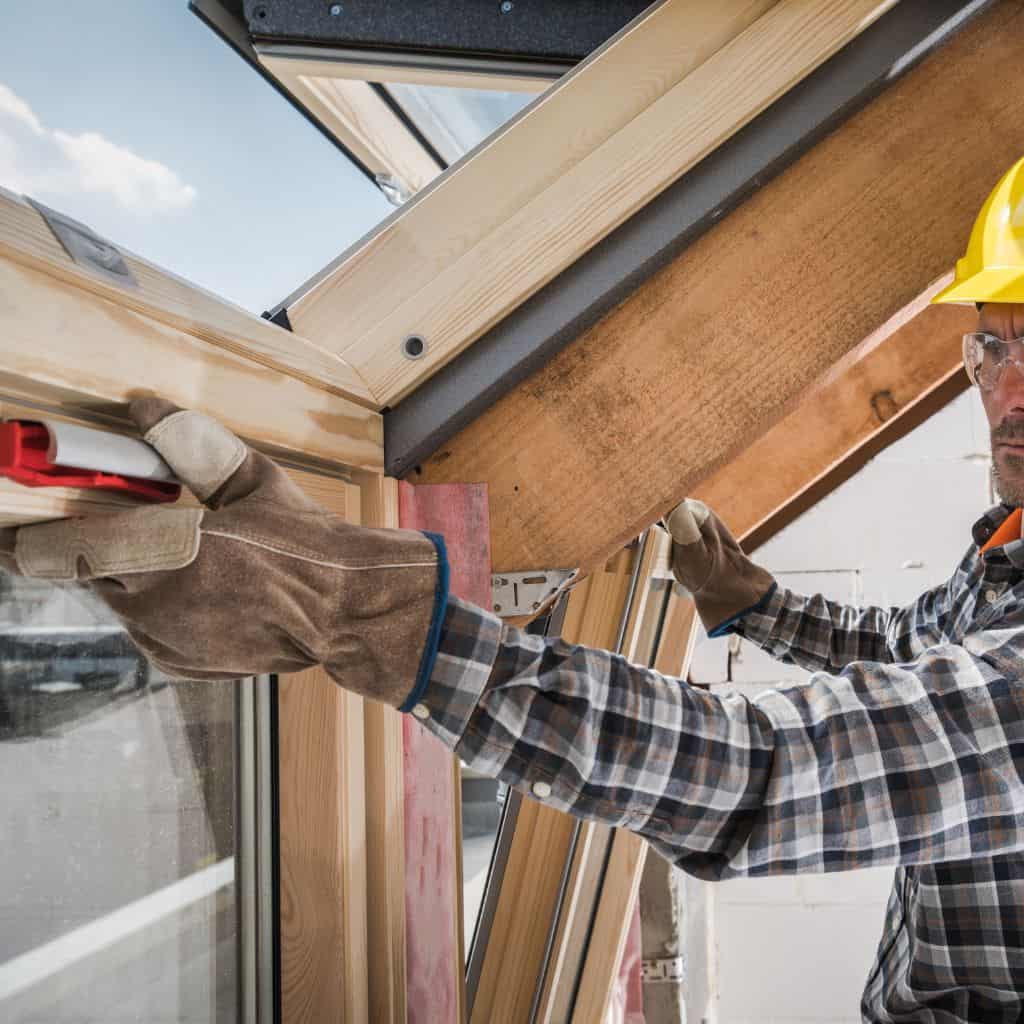
Lifted flashing, splayed corners and white salt deposits on the lead are key indicators of failure. Loose metal along the apron suggests that the clout nails have rusted.
Five warning signs include:
- Mineral salt tide marks on the lead apron
- Daylight visible through corner mitres from inside
- Moss accumulation against the upslope kerb
- Bowed or wavy lead sheet across the head flashing
- Loose clout nails along the side soakers
Roof window leaks during heavy rain often point to soaker flashing issues even when the glass itself remains intact, and may form part of a wider roof repair. Salt deposits appear as a white powder bloom, indicating that trapped moisture is corroding the lead from beneath.
Buckled corners can trap debris and cause water to be retained against the frame. Pine needles from local gardens are a common cause. Heavy moss can form a dam several inches thick, with sufficient weight to warp the frame.
We clear lead skirts and replace plastic clips on every job, as clips degrade after prolonged UV exposure. Regular cleaning can extend the working life of the installation considerably.
Why Choose C J Roofing & Renewables Ltd for Skylight Repair in Hampshire?
Over 15 years of experience
Connor and Jack bring over 15 years of combined hands-on roofing experience, delivering everything from small domestic repairs to large-scale commercial projects across Hampshire.

Locally based in Hampshire
Based in Portsmouth with deep local roots, we understand Hampshire's homes, weather and building styles, which allows us to deliver roofing work that lasts.
5-star rated service
We are proud to be rated 5 stars on Google by our customers, reflecting the quality of our workmanship and our commitment to reliable, professional service.
Competent & highly trained team
Our team is fully trained and certified in asbestos awareness, working at height and manual handling, ensuring every project is carried out safely and to industry standards.
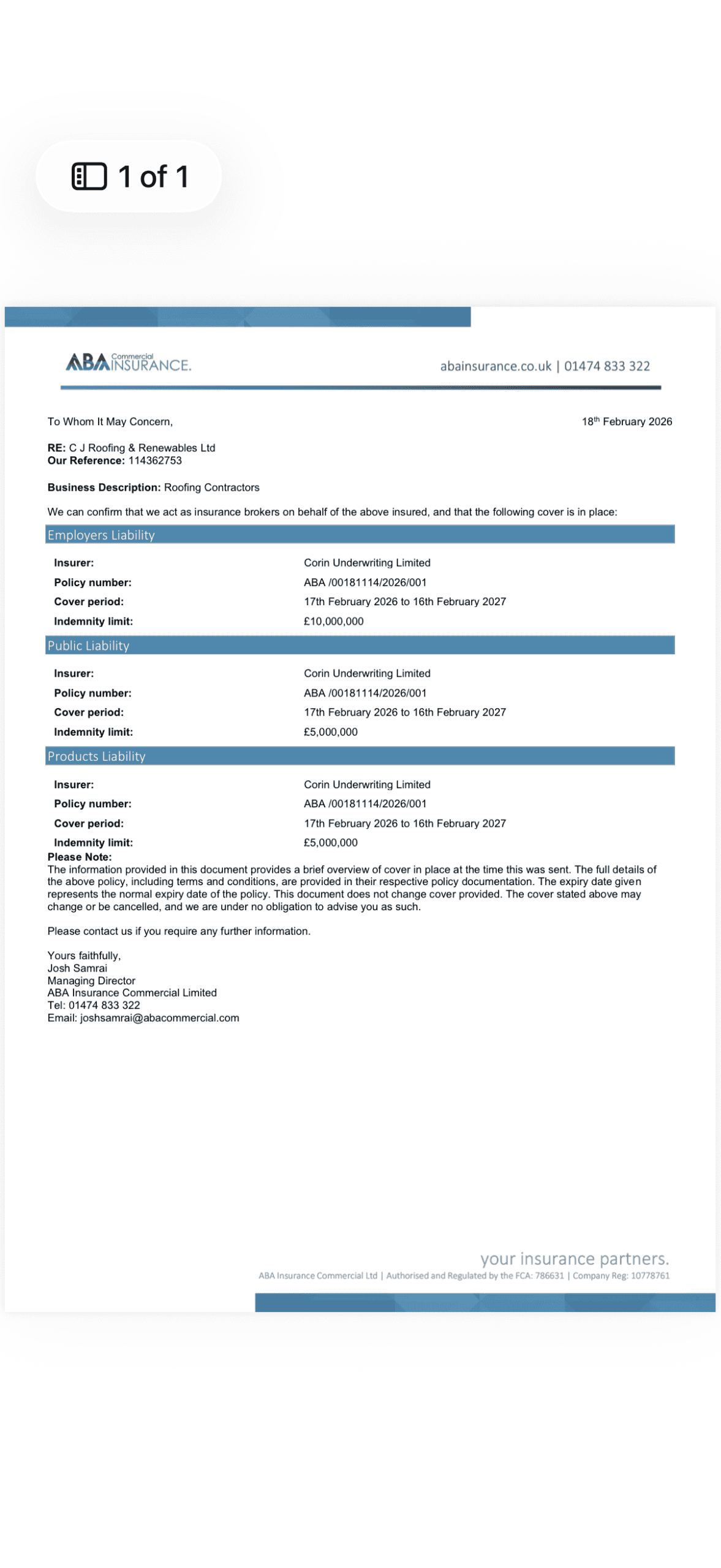
£5 million public liability insurance
We carry up to £5 million in public liability insurance, giving you complete peace of mind that your property is fully protected while we work.
10 year workmanship guarantee
All new roof installations and replacements come with a 10-year workmanship guarantee, so you are covered in the unlikely event of any issues.






Frequently asked questions
Take a look at the Frequently Asked Questions regarding our Skylight Repair service.
How does poor sealing affect home warmth and comfort?
Poor seals can result in significant heat loss through a single skylight gap, allowing cold air to enter and warm air to escape. This increases boiler activity as the heating system compensates for the loss.
The draught is typically noticeable beneath the unit, and the loft cools more rapidly on cold nights. A new seal restores the room’s thermal envelope and reduces this energy demand.
Where a terrace loses a substantial amount of warmth through unsealed roof windows, we reseal them to stabilise the loft temperature.
Compact foam tapes degrade faster than EPDM rubber, so we use EPDM in Hampshire homes. Replacement gaskets should be ordered according to the model code on the hinge plate, as generic strips rarely achieve a proper fit.
A new seal also reduces whistling noise during adverse weather, with noticeable improvement typically apparent within a week.
How does the repair work with insulation and ventilation?
Skylight repair must preserve the airflow path between the insulation and the tile. Blocking this gap can lead to moisture accumulation in the loft.
Hampshire homes built since 2000 are required to have a 50mm clear ventilation gap above rafter insulation. We verify this during the eaves survey to confirm that the airflow path is maintained.
Older properties often have insulation pressed hard against the felt. Where this is the case, we adjust it, fit a vent batten and reset the layer to prevent winter drips caused by trapped vapour.
We install tile vents two rows above the unit to provide an additional exit path for warm, humid air, and pair the kerb detail with low-level eaves vents to complete the airflow circuit.
What structural checks happen on older roofs first?
Structural checks assess rafter condition, kerb timber integrity and the surrounding lath fixings. An awl is used to probe rafter cheeks for soft spots, which indicate weakened load paths.
Five checks carried out before the fix include:
- Rafter cheeks probed with an awl for soft spots
- Kerb timber tested for moisture
- Lath fixings inspected from inside the loft
- Purlins checked for splits and notches
- Trimmers measured against C24 grade tables
Older cottages may have trimmers notched halfway through, which requires reinforcement before a new unit is installed. Pre-war roofs frequently require this reinforcement.
Moisture readings above 20% on the kerb cheek indicate the need for timber drying or replacement. Photographs are shared with you before scaffolding is erected, so the condition is clear before work begins.
How do you cover the roof during a multi-day repair?
Heavy-duty tarpaulin, batten frames and self-adhesive flashing tape are used to keep the loft dry overnight. Battens are fixed around the opening and the tarpaulin is draped with a 300mm overlap on all sides.
Edges are weighted with sandbags to prevent wind uplift, which is a particular consideration on coastal Hampshire roofs. The upper edge of the tarpaulin is taped beneath existing tiles to prevent water from finding horizontal joints and tracking along any reverse lap.
What warranties cover the glass, frame, and workmanship?
Sealed units are typically covered by a 10-year manufacturer warranty, while frames carry a 5-year warranty. We are not able to offer workmanship guarantees on repairs.
Warranty claims require the original paperwork and the frame’s serial sticker to be presented.
Non-branded flashing kits may void manufacturer warranties, so we always use matched kits. Claims within the warranty period can recover faulty units, with the installer’s portal log serving as evidence of the original fitting date.
Most home insurance policies cover sudden water damage to ceilings, providing a separate claim alongside the manufacturer warranty. Retain all paperwork and photograph the serial plate before any work takes place.