Solar Panel Repair Hampshire
Solar Panel Repair Services in Hampshire
A damaged solar panel or failed fixing compromises both your solar output and the waterproofing of your roof. Cracked glass, lifted panels, displaced clamps and failed flashings can all allow water to penetrate the roof structure, and many faults originate at the mounting hardware or roof fixing points rather than the panel itself. Addressing solar panel repairs promptly is the most effective way to protect both your installation and your roof.
C J Roofing & Renewables Ltd specialises in structural solar panel repairs across Hampshire, diagnosing and resolving damaged panels, failed fixings and resealed flashings in a single visit.
Your written, itemised quote follows within 48 hours of the inspection. For a free quote, call 07512976384. We respond within 48 hours.
How do you know your solar panels need repair?
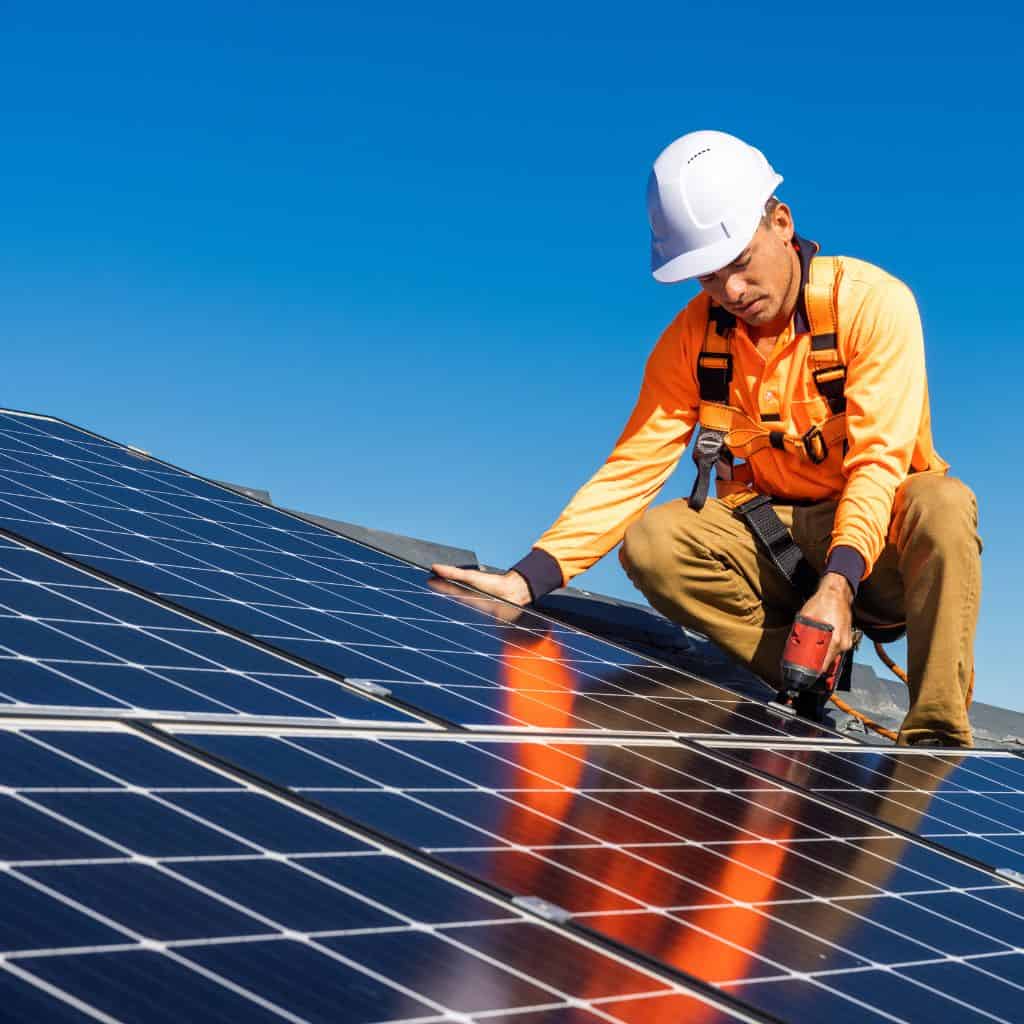
Recognising when a solar panel system needs attention is important. Visible damage, loose fixings, or water ingress around the array are the clearest indicators of a structural fault. Five signs to look for are described below.
Visible damage such as cracked glass, scorch marks, or discoloured bypass strips
Visible damage including cracked glass, brown scorch marks, or discoloured bypass strips indicates physical damage to the panel. Cracked glass compromises the sealed unit and allows water to enter, leading to cell corrosion and eventual panel failure.
A cracked panel cannot be repaired in place and requires complete replacement. The replacement panel is matched to the wattage and voltage of the string to maintain system performance.
Lifted or displaced panels that have shifted from their original position
Lifted or displaced panels indicate that mounting clamps have failed or been overcome by wind uplift. Panels may shift at the edges, slip from clamps, or become completely detached following severe storms.
Lifted panels compromise both the solar array and roof waterproofing. They can allow wind-driven rain under the panel and into the roof structure, requiring clamp replacement and resealing of flashings.
Displaced or corroded clamps that no longer secure the panels properly
Displaced or corroded mounting clamps no longer secure panels effectively, particularly in coastal Hampshire where salt accelerates metal corrosion. Clamps may become loose, rusted, or completely detached from the rail system.
Corroded earth bonds also compromise safety and structural stability. Clamps are retorqued or replaced during the repair visit, and stainless A4 fixings are used on coastal projects to prevent recurrence.
Water ingress or roof stains below the solar panel array
Water ingress or damp patches below the array indicate failed flashings or sealant at fixing points. Most solar leaks originate where panels are mounted to the roof, as drill holes and flashings create potential entry points for water.
Lifted flashings, failed sealant, or slipped tiles around the array allow water to penetrate the roof. Flashings are resealed and tiles replaced during the repair to restore full waterproofing.
Damaged cables or conduit near eaves from animal activity
Damaged cables or conduit near eaves often result from squirrel and pigeon activity on rural Hampshire roofs. Animals chew through cables, expose wiring, and dislodge fixings, creating safety hazards and potential water ingress paths.
Cable routes are inspected during the assessment, and damaged conduit or cables are replaced. Cable management is secured to prevent further animal damage and maintain roof integrity.
Inspect the property for lifted panels, displaced clamps, or damaged cables near the eaves. Squirrel and pigeon activity can cause significant harm on rural Hampshire roofs, tearing cables and dislodging fixings, while storms can strip clamps, lift edge panels, or snap cables.
If you notice any of these issues, contact us on 07512976384.
How do we assess your solar panel damage?
Assessing solar panel damage involves a thorough visual and structural inspection. The process begins at the array and extends to a full roof assessment around the installation.
Assessment components include:
- Visual panel inspection: checking for cracked glass, delamination, or physical damage to cells
- Fixing and clamp inspection: testing clamp tightness, checking for corrosion, verifying panel security
- Flashing and sealant check: inspecting flashings at fixing points for lifts, gaps, or failed sealant
- Roof tile assessment: identifying slipped, cracked, or broken tiles around the array
- Cable route inspection: checking for chewed cables, exposed wiring, or damaged conduit near eaves
Results are documented in a written report following the visit, identifying the fault and proposed remedy before any additional work proceeds. Diagnostic visits typically last one to two hours on most Hampshire properties, with quotes tailored to system size and accessibility. Stock parts for common mounting systems are carried on the van.
How does our solar panel repair process protect your roof and warranty?
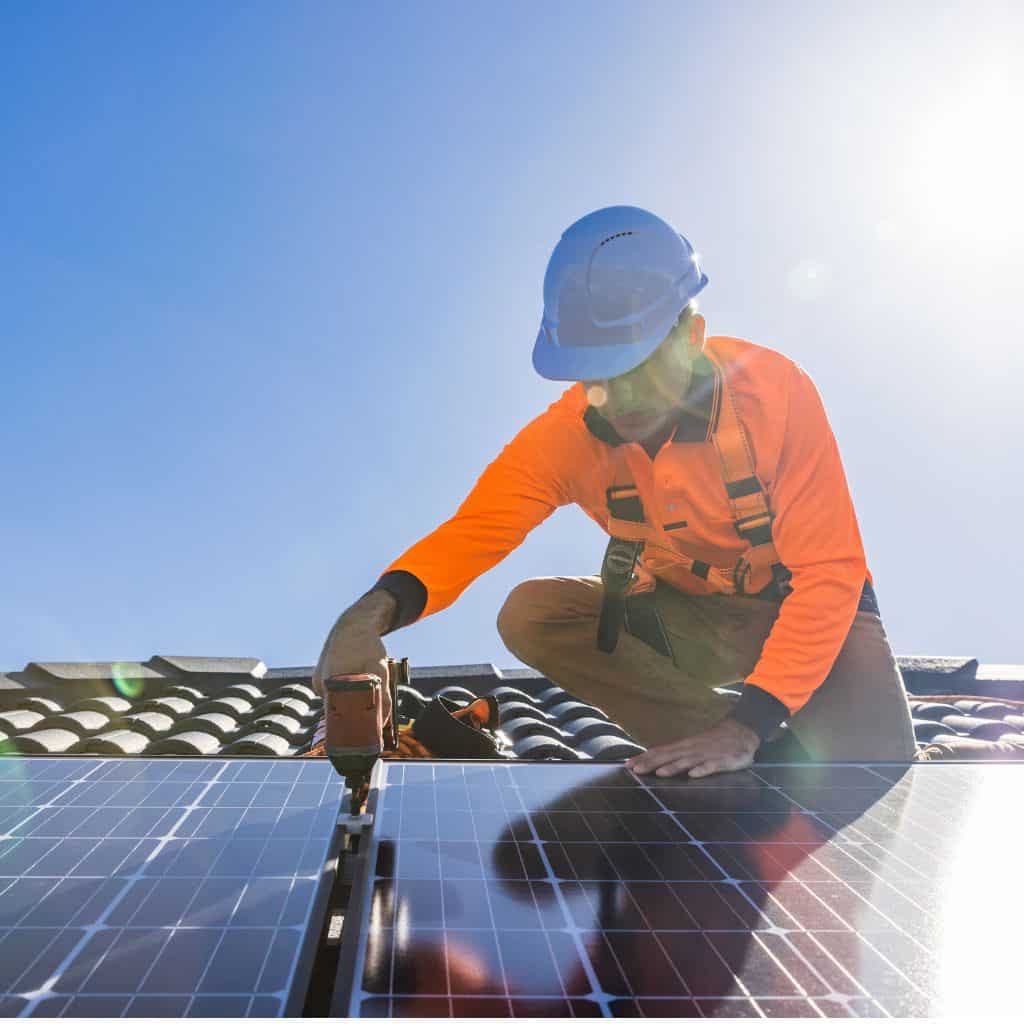
Our repair process treats the roof and solar installation as a unified system. The same team addresses fixings, flashings, tiles, and panel work in a single visit, since most solar leaks originate at the fixing points.
Site procedures include:
Assess: inspect panels, fixings, flashings, and the surrounding roof area
We begin with a thorough visual and structural inspection of panel condition, fixings, flashings, and the surrounding roof area. Cracked glass, loose clamps, failed sealant, and slipped tiles are all documented during this stage.
A written report follows the visit, identifying the fault and proposed remedy before any additional work proceeds. Diagnostic visits typically last one to two hours, with quotes tailored to system size and accessibility.
Access: use scaffold or harness appropriate for pitch and height
We use scaffold or harness appropriate for the roof pitch and height. Ground-mounted arrays use walk-through access rather than scaffold.
For higher fixings on large commercial arrays, a scaffold tower is used. Access methods are quoted as a single line item, and ground protection mats preserve lawns and gravel drives on farm sites.
Repair: replace damaged panels, retorque or replace clamps, reseal flashings, replace tiles
Damaged panels are replaced, clamps are retorqued or replaced, flashings are resealed, and slipped tiles are reinstated. The same team addresses fixings, flashings, tiles, and panel work in a single visit, since most solar leaks originate at fixing points.
Mounting clamps, corroded earth bonds, and slipped tiles are all addressed during the same attendance. Stainless A4 fixings are used on coastal projects to prevent rust and ensure long-term security.
Seal: apply fresh sealant at all fixing points and ensure flashings are watertight
Fresh sealant is applied at all fixing points, and flashings are checked to confirm they are watertight. This stage is critical, as most solar leaks originate where panels are mounted to the roof.
Compatible sealants are used that do not void panel warranties. Flashings are dressed correctly to shed water away from drill holes and fixings, protecting the roof structure from water ingress.
Sign off: provide a written report with photographs and guarantee documentation
A written report with photographic documentation is provided once the repair is complete, including before and after photographs, a defect list, and details of the work performed.
Replacement parts carry the panel maker’s original warranty, often 25 years for Tier 1 modules. Our workmanship on flashings and fixings is documented for your records and future reference.
Can we repair your panel or does it need replacement?
Panel faults are often resolved at the component level; however, panel replacement becomes necessary when the glass, cells, or backsheet are compromised. Three guiding principles inform this decision:
- Loose clamps, slipped tiles, or corroded fixings: repaired without replacing the panel
- Cracked glass, delamination, or water ingress: require complete panel replacement
- Damaged cables, conduit, or mounting hardware: replaced without affecting the panel itself
Single replacement panels are matched to the wattage and voltage of the string. Older 250W panels may be paired with a modern unit of higher wattage, with voltage compatibility verified before replacement proceeds.
Mounting clamps, slipped tiles, and corroded earth bonds are addressed during the same visit.
How quickly can we attend a solar panel repair in Hampshire?
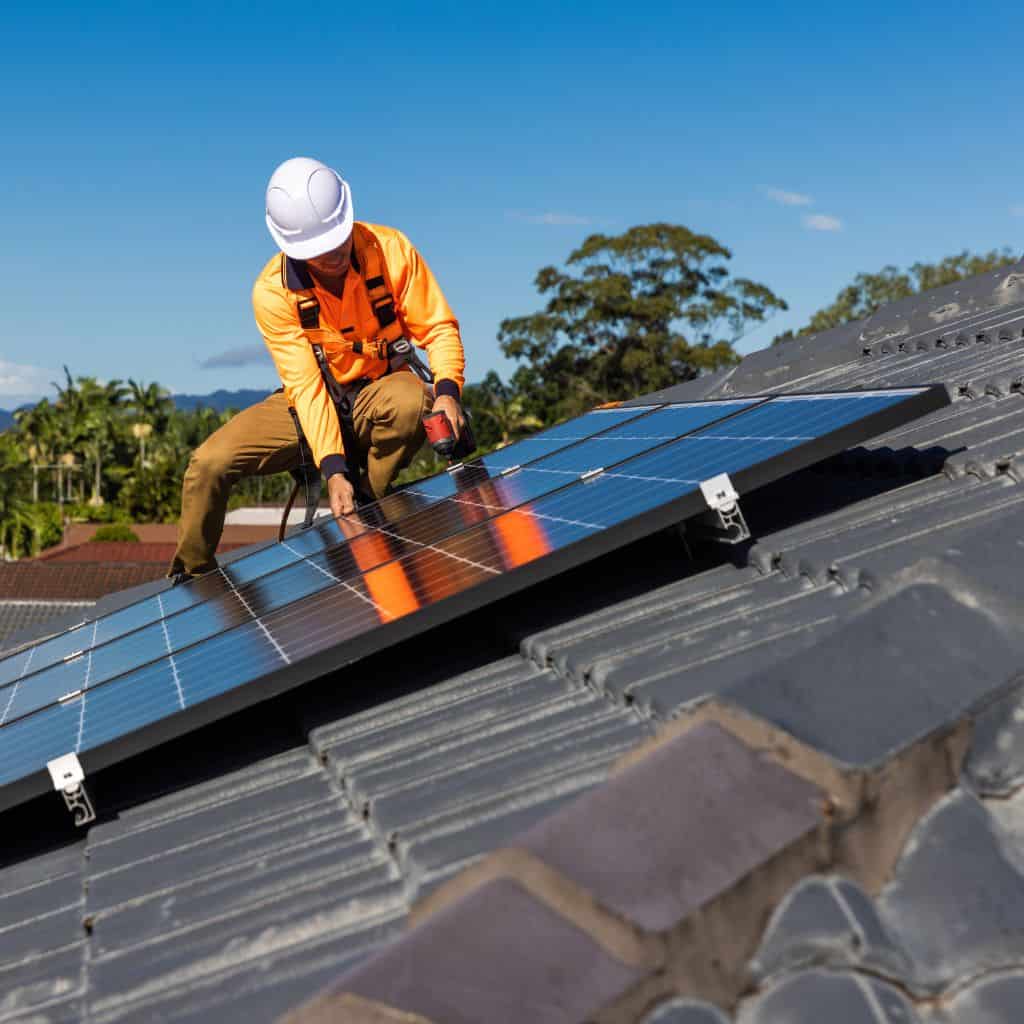
We respond to solar panel repair enquiries within 48 hours across Hampshire. Priority is given to emergency call-outs involving storm damage, visible arcing hazards, or significant water ingress.
Lead times are influenced by parts availability. Common mounting clamps and sealants are sourced from UK stock, while specialist replacement panels may require extended lead times from manufacturers.
To help us respond as quickly as possible, have the following information ready when you call:
- Installation date
- Panel brand, model, and approximate wattage
- Photographs showing visible damage to panels, clamps, or flashings
- Photographs of any roof stains or water ingress below the array
Why Choose C J Roofing & Renewables Ltd for Solar Panel Repair in Hampshire?
Over 15 years of experience
Connor and Jack bring over 15 years of combined hands-on roofing experience, delivering everything from small domestic repairs to large-scale commercial projects across Hampshire.

Locally based in Hampshire
Based in Portsmouth with deep local roots, we understand Hampshire's homes, weather and building styles, which allows us to deliver roofing work that lasts.
5-star rated service
We are proud to be rated 5 stars on Google by our customers, reflecting the quality of our workmanship and our commitment to reliable, professional service.
Competent & highly trained team
Our team is fully trained and certified in asbestos awareness, working at height and manual handling, ensuring every project is carried out safely and to industry standards.
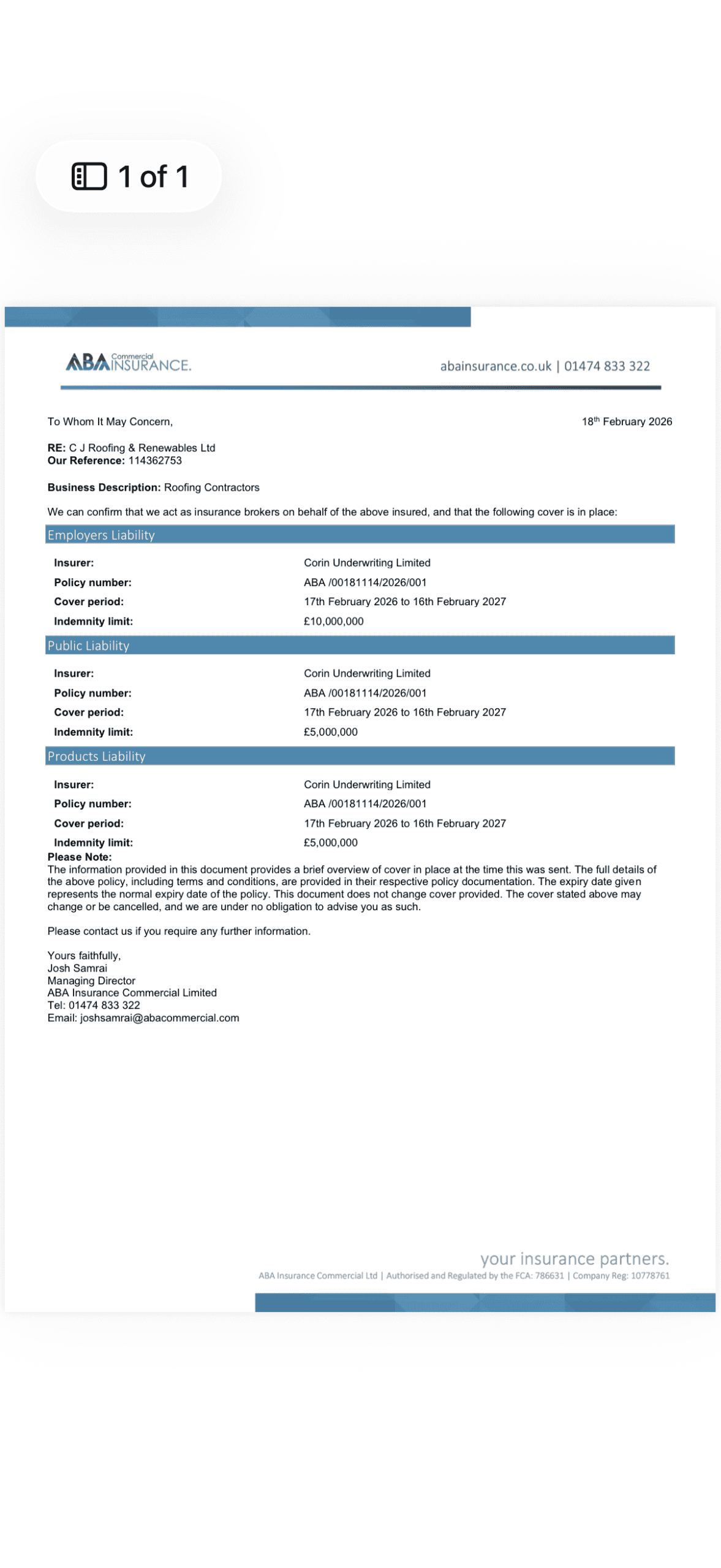
£5 million public liability insurance
We carry up to £5 million in public liability insurance, giving you complete peace of mind that your property is fully protected while we work.
10 year workmanship guarantee
All new roof installations and replacements come with a 10-year workmanship guarantee, so you are covered in the unlikely event of any issues.






Frequently asked questions
Take a look at the Frequently Asked Questions regarding our Solar Panel Repair service.
What warranty covers a Hampshire solar panel repair?
Our 10-year workmanship guarantee applies to a new rooftop solar installation only and does not cover repair work. Replacement parts carry the panel maker’s original warranty, often 25 years for Tier 1 modules, with distinct terms applying to clamp and flashing replacements.
Can a cracked solar panel be repaired in place?
A cracked solar panel cannot be repaired in place. The cells, glass, and backsheet form a sealed unit, and water intrusion leads to cell corrosion and panel failure. The panel is replaced as a precaution, with voltage and wattage compatibility with the string verified beforehand. The old unit is returned to the manufacturer’s take-back scheme under WEEE regulations. We stock common Tier 1 panel sizes to allow prompt installation.
How does storm damage to solar panels get repaired?
Repairing storm damage begins with a prompt site visit and an insurance-ready quote. Photographs and a damage log accompany every report, covering stripped clamps, lifted edge panels, broken tiles, and snapped cables on Hampshire roofs. Initial assessments involve scaffold or drone surveys, with all faults documented during the first inspection.
Can you fix faulty solar inverters?
We do not repair solar inverters. Inverter work is handled by a qualified electrician or the inverter manufacturer’s service team. Our focus is on the structural and roofing elements of the system: damaged panels, clamps, flashings, tiles, and cable routing around the roof. Scheduling both services in the same year can be advantageous. Your electrician handles the inverter, while we address the panels and roof.
Do you handle electrical work on solar systems?
We specialise in structural and roofing repairs for solar panel systems. Electrical work, including inverter repairs, wiring, and circuit issues, must be handled by a qualified electrician or certified solar electrician. We work alongside electricians to ensure that both the roof and electrical systems are properly addressed.