Gutter Installation Hampshire
Gutter Installation Services in Hampshire
A gutter system comprises the channels and downpipes that direct rainwater clear of your property. Correctly installed, it protects your fascia boards, render and brickwork for decades. Where installation has been poor, however, removing the old system frequently reveals water damage behind the boards that has led to timber rot. This is why the quality of the work matters as much as the material chosen.
C J Roofing & Renewables Ltd provides gutter installation across Hampshire, sizing and specifying each system to suit your roof line, slope and downpipe arrangement. Every installation is backed by a 10-year workmanship guarantee.
Your written, itemised quote follows within 48 hours of the survey. Call 07512976384 for a free site visit. We respond within 48 hours.
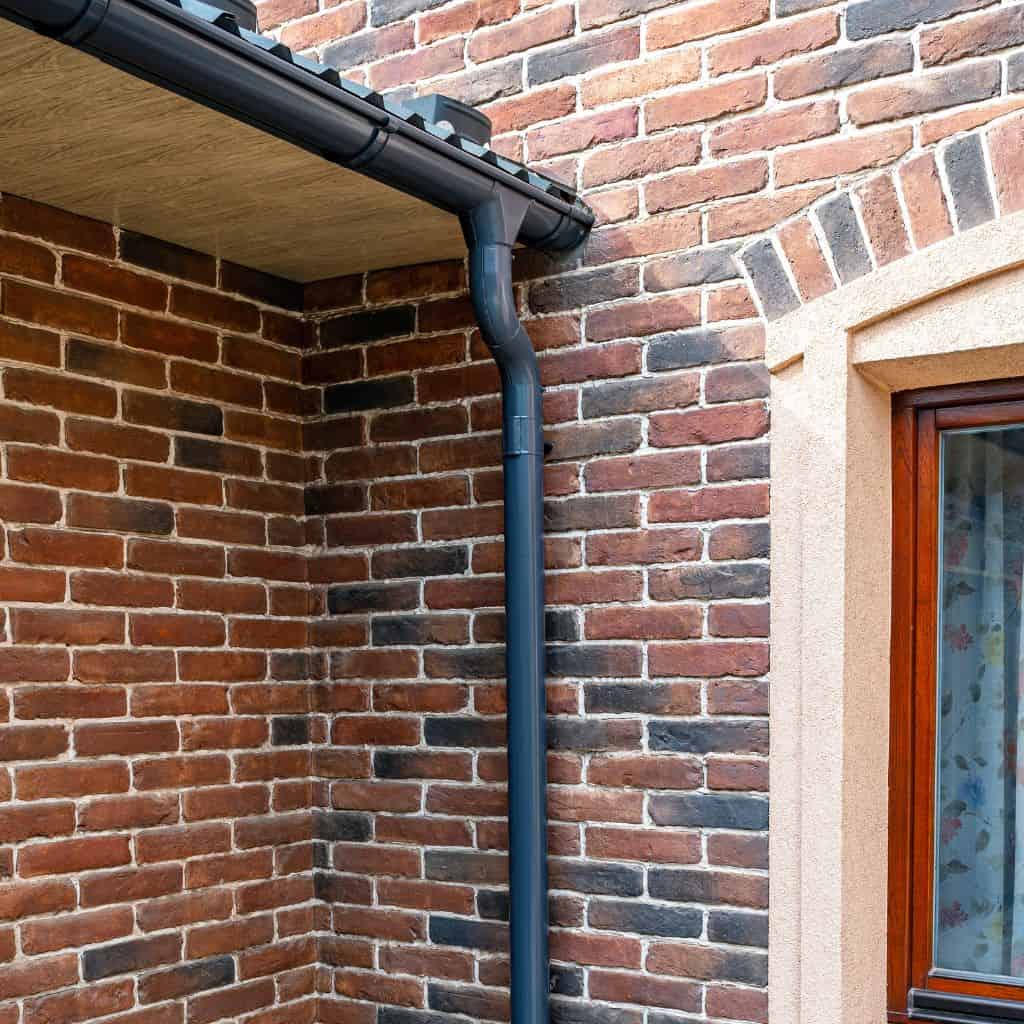
What are the signs you need new gutter installations?
Cracked seams, sagging runs, overflow during light rain and peeling fascia paint are all indications that a gutter system has reached the end of its functional life and that a targeted gutter repair is no longer adequate.
Common indicators include:
Water sheeting over the front lip during a normal shower
Water sheeting over the front lip of the gutter during a normal shower indicates the system is blocked, undersized or has lost its fall. This overflow directs water onto the fascia, render and brickwork rather than into the downpipe.
Overflow events leave brown staining on the wall below the gutter line. Prolonged exposure can rot the fascia behind the gutter, requiring more extensive repairs than simply clearing blockages or patching joints.
Rust streaks weeping down cast iron stop ends
Rust streaks weeping down cast iron stop ends indicate corrosion at critical junction points. Pre-1960 cast iron gutters can degrade after 60 to 80 winters, and coastal Hampshire properties experience accelerated corrosion as a result of salt exposure.
Visible cracks or splits along uPVC seams
Visible cracks or splits along uPVC seams indicate the material has become brittle and failed. uPVC systems last 25 to 30 years in sheltered locations, but UV exposure and temperature cycling can accelerate degradation.
Cracked seams allow water to escape at joints, causing damage to the fascia and brickwork. When cracks are visible, the gutter has reached the end of its functional life and requires a full gutter replacement rather than sealant repairs.
Brackets pulling away from the fascia board
Brackets pulling away from the fascia board indicate that the fixings have loosened or that the timber behind has softened. This causes sagging runs where the gutter drops, the slope flattens, and water pools rather than flowing to the outlet.
Sagging is the second most common gutter fault. Where brackets repeatedly pull away, the entire system requires re-anchoring with new brackets at 600 to 800mm intervals, together with proper fascia repair before installation proceeds.
Damp patches on upstairs ceilings near the eaves or moss in channel
Damp patches on upstairs ceilings near the eaves, or moss and ferns growing inside the channel, indicate that water is penetrating behind the gutter or overflowing consistently. Moss and ferns establish themselves from accumulated organic matter and standing water.
Properties beneath oak, sycamore and lime tree canopies experience rapid gutter filling after leaf drop. When damp appears internally, the fascia behind the gutter may already be rotten, requiring fascia replacement alongside the new gutter installation.
Pre-1960 cast iron gutters can degrade after 60 to 80 years, and coastal Hampshire properties often experience accelerated corrosion as a result of salt exposure.
What materials suit Hampshire gutter installations?
The three primary materials for gutter installations in Hampshire are uPVC, aluminium and cast iron. Each is suited to different property types:
- uPVC for post-war properties and most modern builds
- Aluminium for coastal properties with exposure to salt air
- Cast iron for Georgian, Regency and listed buildings
uPVC is well suited to the majority of properties due to its straightforward installation and broad colour range. Aluminium is preferable in coastal locations because of its high resistance to corrosion from salt air. Cast iron is the appropriate choice for heritage properties, offering longevity alongside the correct profile when maintained periodically.
When quoting, we consider slope, capacity, property location and material lifespan. Larger roofs with greater catchment areas require deeper profiles, and colour samples are available during the initial visit if required.
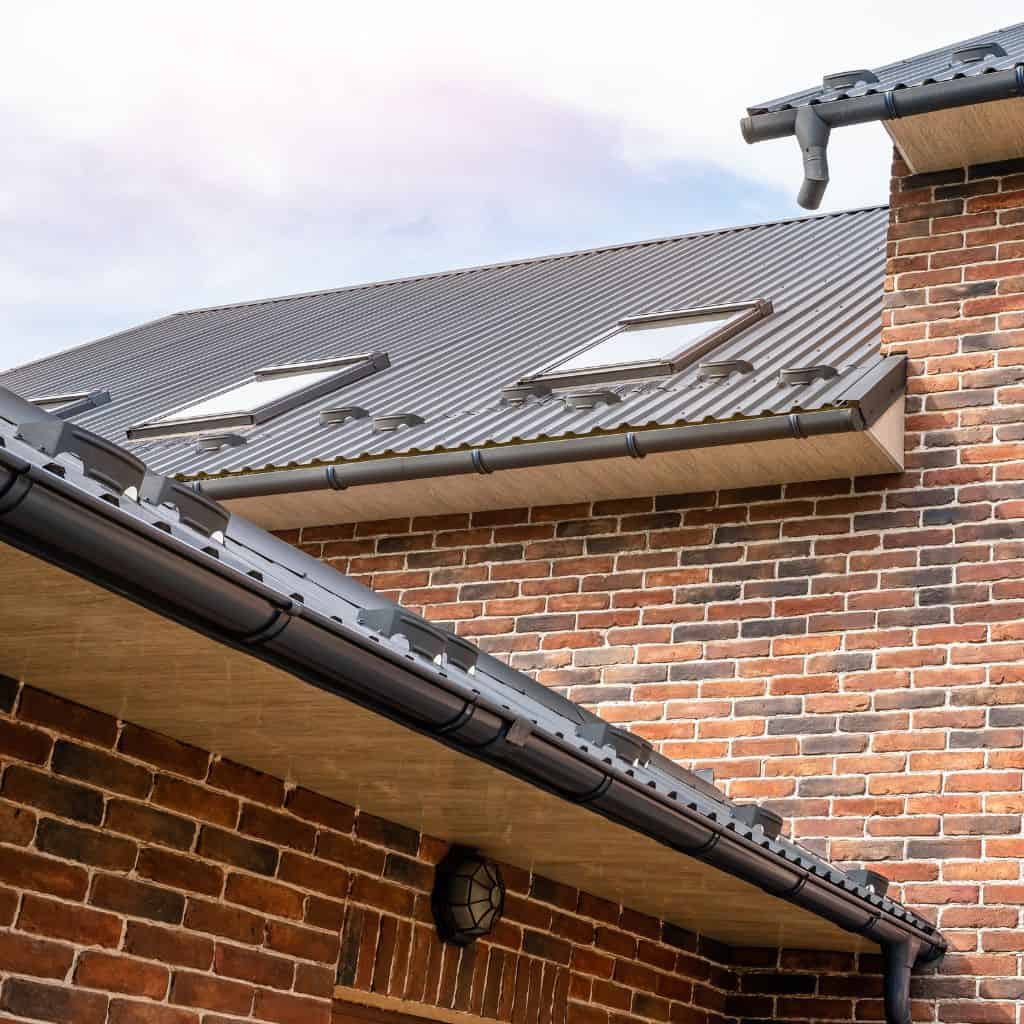
What does our gutter installation process involve?
Our gutter installation process follows six stages: survey, strip, fascia check, brackets, run and flow test.
Our on-site procedure includes:
Survey: measure elevations, photograph old gutter, confirm profile and colour
We begin by measuring each elevation, photographing the existing gutter and confirming the profile and colour for the replacement. This ensures the new system is proportioned to your roof line and matches its appearance.
Colour samples are available during the initial visit if requested. When providing a quote tailored to your property, we consider slope, capacity, location and material lifespan.
Strip: remove old gutter section by section and lower to ground
The old gutter is removed section by section, with each length carefully lowered to the ground. A ground sheet is placed beneath the work area during removal to protect your property.
All old gutters and downpipes are removed and directed through licensed waste disposal routes: uPVC is sent to plastic recyclers and cast iron to registered scrap dealers. Disposal costs are included in the original quote.
Fascia check: probe timber and replace spongy boards before attaching brackets
We probe the timber behind the gutter and replace any spongy boards before attaching brackets. Removing a deteriorated system often exposes water damage behind the boards, which, if left unaddressed, leads to timber rot.
Replacement fascia boards are installed to provide a sound fixing base. This step is fundamental: a properly prepared substrate is what allows a new gutter installation to protect your fascia, render and brickwork reliably for decades.
Brackets: install at 600-800mm intervals with 1 in 600 slope toward outlet
Brackets are installed at 600 to 800mm intervals with a slope of 1 in 600 toward the outlet. An additional bracket is placed within 150mm of each hopper head, internal angle and downpipe junction.
Each bracket position is verified with a digital level before the profile is attached. Correct fall prevents pooling and ensures water is directed efficiently away from the wall.
Flow test: pour water at highest point and ensure clear flow to gully
The new profile is attached, stop ends are sealed and downpipes are routed through swan-neck offsets. Water is poured at the highest point to confirm clear flow through to the gully in a final flow test.
Stainless-mesh or hedgehog-brush gutter guards are clipped into place before the final flow test if requested. We photograph the completed work for your records, and the installation is backed by a 10-year workmanship guarantee.
How do we decide bracket spacing and fall?
Bracket spacing is set at 600 to 800mm intervals, and the fall is maintained at 1 in 600 toward the outlet for all installations in Hampshire. These specifications ensure water is directed efficiently away from the wall without pooling.
For cast iron we adjust the spacing to account for its weight, whereas uPVC and aluminium allow for wider intervals as they flex less under load. An additional bracket is placed within 150mm of each hopper head, internal angle and downpipe junction.
Each bracket position is verified with a digital level before the profile is attached, which prevents pooling and produces a clean, well-aligned installation.
Eaves height also influences the specification: single-line drops are used for bungalows, while hoppers and swan-necks are required for three-storey townhouses. Roof catchment area determines profile depth, calculated from your floor plan or measured on site.
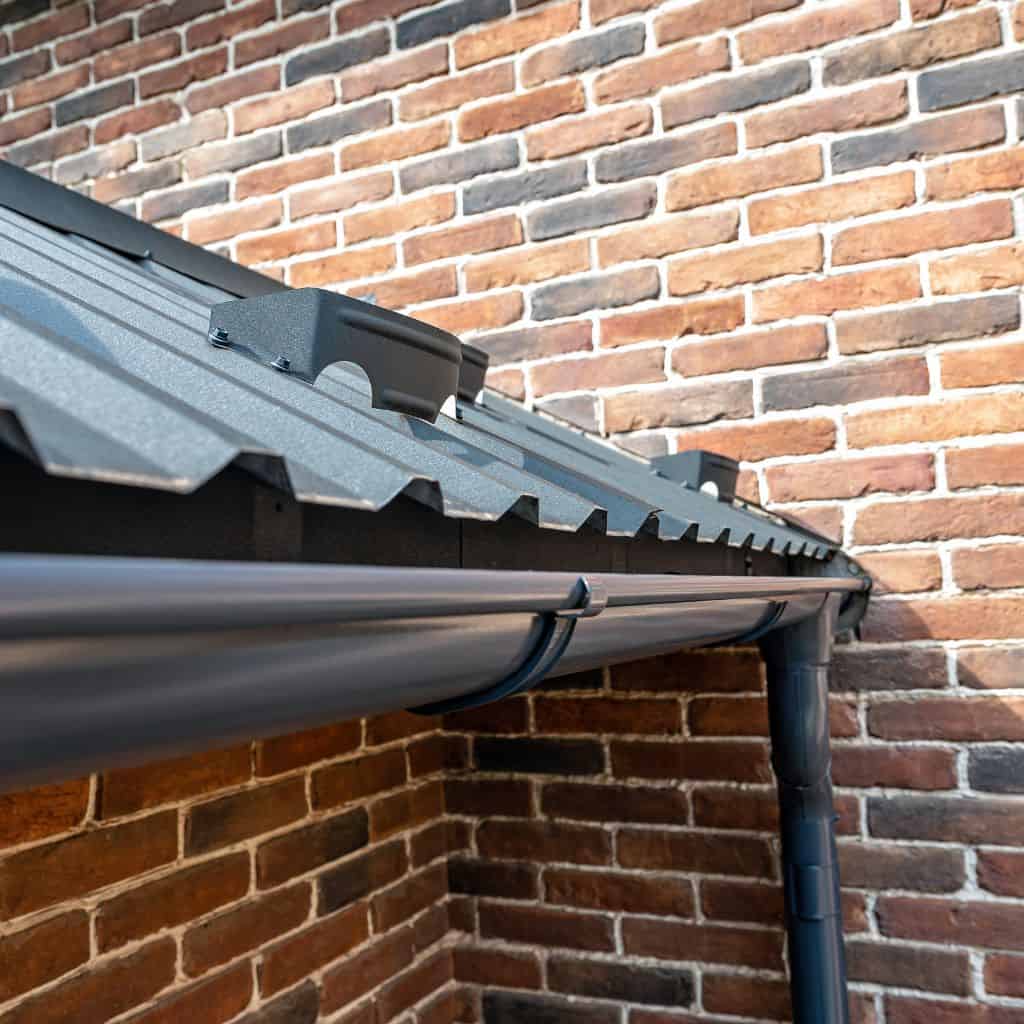
How long does our gutter installation last?
Our gutter installations last between 25 and 80 years depending on the material selected, and every installation is covered by our 10-year workmanship guarantee. uPVC systems last 25 to 30 years in sheltered locations, while aluminium with a powder-coat finish can last 30 to 40 years.
Cast iron offers the greatest longevity, potentially lasting 80 years with regular maintenance. It requires repainting approximately every decade to preserve its lifespan.
The coastal environment in Hampshire can reduce gutter lifespan through salt exposure. To address this, we use marine-grade aluminium or 316 stainless steel fixings for coastal installations, while standard powder-coated materials are used inland.
Lifespan is also affected by debris accumulation from trees such as oak, sycamore and lime. We recommend fitting a leaf guard to prevent blockages and extend the service life of the system.
Why Choose C J Roofing & Renewables Ltd for Gutter Installation in Hampshire?
Over 15 years of experience
Connor and Jack bring over 15 years of combined hands-on roofing experience, delivering everything from small domestic repairs to large-scale commercial projects across Hampshire.

Locally based in Hampshire
Based in Portsmouth with deep local roots, we understand Hampshire's homes, weather and building styles, which allows us to deliver roofing work that lasts.
5-star rated service
We are proud to be rated 5 stars on Google by our customers, reflecting the quality of our workmanship and our commitment to reliable, professional service.
Competent & highly trained team
Our team is fully trained and certified in asbestos awareness, working at height and manual handling, ensuring every project is carried out safely and to industry standards.
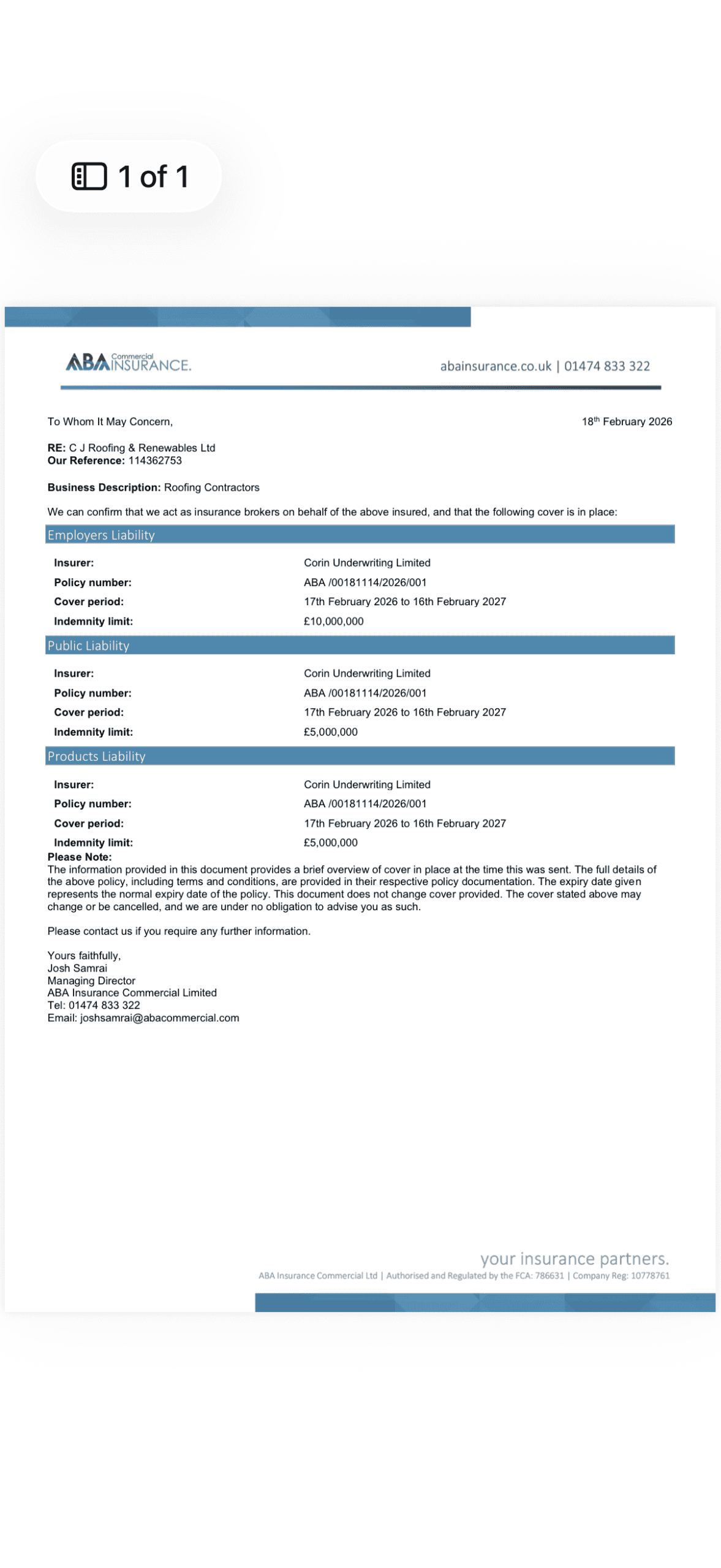
£5 million public liability insurance
We carry up to £5 million in public liability insurance, giving you complete peace of mind that your property is fully protected while we work.
10 year workmanship guarantee
All new roof installations and replacements come with a 10-year workmanship guarantee, so you are covered in the unlikely event of any issues.






Frequently asked questions
Take a look at the Frequently Asked Questions regarding our Gutter Installation service.
How long does a new gutter installation take?
A three-bedroom semi-detached house typically requires one day for installation with a two-person team. A four-bedroom detached home usually takes two days or more.
Larger projects scale accordingly. Properties with complex roof features may take two to three days, while heritage cast iron installations can extend to two to four days due to additional handling requirements.
Project timing is confirmed in writing before work begins. uPVC installations are scheduled to avoid temperatures below 5°C to ensure proper sealing.
Do you install gutter guards as part of the package?
Yes. We install stainless-mesh or hedgehog-brush gutter guards at the same time as the new system. Each guard is clipped into place before the final flow test, preventing debris from blocking the channel.
Properties near the New Forest experience heavy leaf fall, which makes regular cleaning necessary; a guard reduces the frequency of these visits. Coastal properties face greater salt and grit deposits, for which a finer mesh is more appropriate.
Do you remove and dispose of the old gutters?
Yes. We remove all old gutters and downpipes and direct them through licensed waste disposal routes. uPVC is sent to plastic recyclers and cast iron to registered scrap dealers.
A ground sheet is placed beneath the work area during removal to protect your property. Disposal costs are included in the original quote, so there are no unexpected additional charges.
Asbestos removal falls outside our service scope. If asbestos cement downpipes are discovered during the work, we will halt and refer to a licensed contractor.
Can new gutters tie into a water butt or rainwater harvesting tank?
Yes. New gutter systems can be connected to water butts, soakaways and underground harvesting tanks. A sealed downpipe connector is used to join the system to the tank, and we assess your current setup and produce a detailed plan before quoting.
A typical roof collects thousands of litres annually, sufficient to supply both a water butt and a soakaway. A leaf filter on the downpipe prevents biofilm formation within the tank.
To manage overflow during heavy rain, we install a high-level overflow that diverts excess water once the tank is full. Discharge routes are designed to comply with Building Regulations Part H.
What about installations on listed or heritage Hampshire homes?
Listed buildings require materials and profiles that match the original in order to satisfy planning requirements. Conservation officers typically expect cast iron half-round or ogee gutters for Grade II properties, and modern uPVC is rarely approved for protected facades.
Where permissible, we use cast aluminium ogee profiles, which are lighter and can be finished to closely resemble cast iron in appearance.
Custom cast iron components carry longer lead times, so we raise this during the survey to allow for your project schedule. All specifications, including profile, bracket type, colour and installation method, are set out in full within the quote.