Chimney Inspection Hampshire
Chimney Inspection Services in Hampshire
A chimney inspection involves examining the stack, flashing, pot and mortar joints to identify issues such as damp paths, loose brickwork and worn lead before they cause ceiling stains. The chimney stack is the section that projects above the roofline; flashing refers to the material that prevents water from penetrating the junction between the chimney and the roof. Small faults can escalate into significant damage when left exposed to the weather.
C J Roofing & Renewables Ltd inspects chimneys across Hampshire, assessing each component of the stack in detail and providing a comprehensive written report with date-stamped photographs.
Your written, itemised quote follows within 48 hours of the inspection. Contact us at 07512976384 for a free quote. We respond within 48 hours.
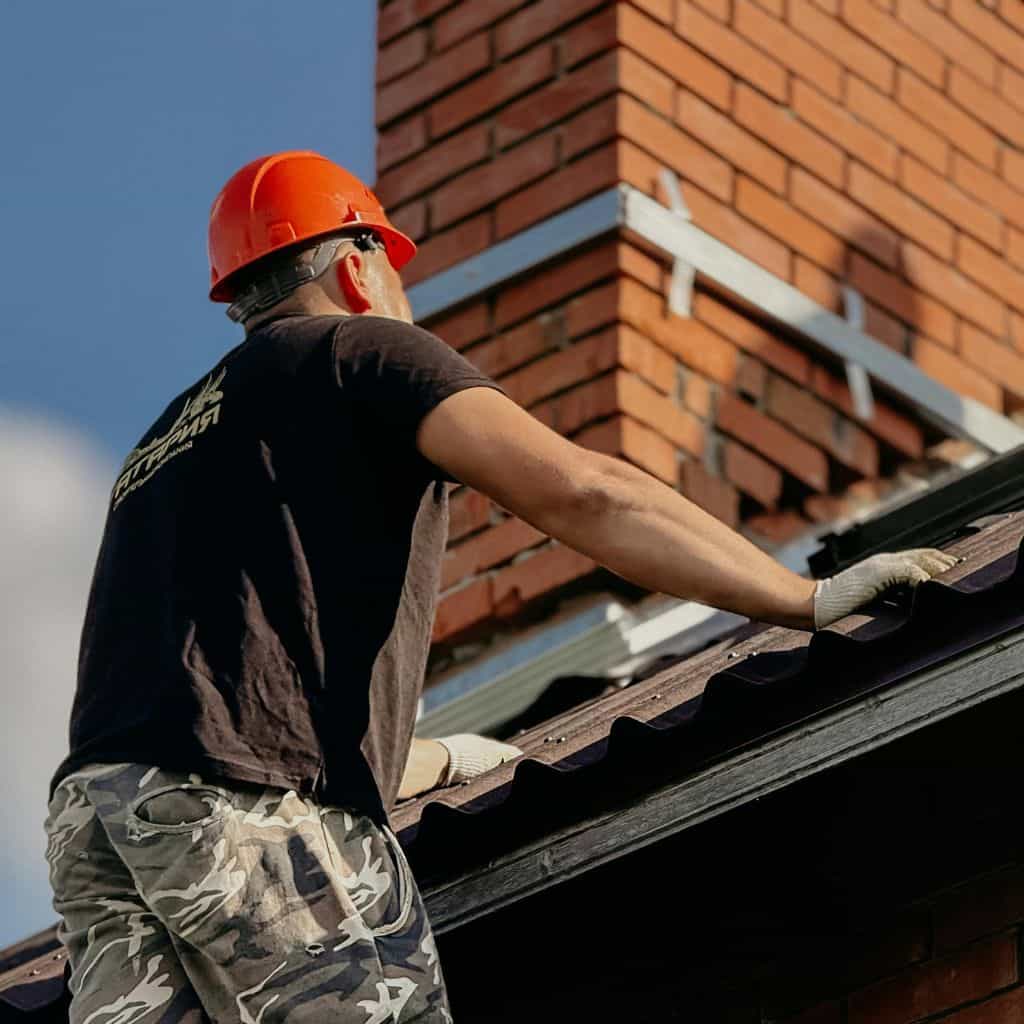
What are the signs your chimney needs an inspection?
Damp staining, leaning brickwork and crumbling mortar each indicate that a chimney inspection is necessary. These signs suggest a failed weather seal above the roofline.
Common signs include:
Brown tide marks on the chimney breast inside
Brown tide marks on internal chimney walls are a clear indicator of prolonged moisture ingress. These stains often appear as horizontal lines or discoloured patches, caused by water carrying salts and minerals through the brickwork and plaster.
As moisture evaporates it leaves behind these deposits, signalling that water is repeatedly entering the chimney structure. This is rarely an isolated occurrence and typically points to defects higher up the stack, such as failed flashing, cracked mortar joints or damaged flaunching.
Damp patches on bedroom ceilings near the stack
Damp patches on ceilings close to the chimney stack usually indicate that water is penetrating at roof level and tracking down into the property. These patches may enlarge after heavy rain and can feel cold or slightly soft to the touch.
This type of moisture ingress can damage plasterboard, insulation and decorative finishes. In many cases the source is a failure in the flashing or surrounding materials, allowing water to bypass the roof covering and enter the structure around the chimney.
Sandy debris collecting in the gutter below
Sandy or gritty material building up in the gutters near the chimney is often a sign that the mortar joints are deteriorating. As mortar breaks down it turns into a loose, sand-like substance that washes down the roof during rainfall.
This loss of mortar weakens the chimney structure over time, leaving gaps between bricks that allow water to enter. It is a common issue on older properties or chimneys exposed to harsh weather, particularly in coastal areas where salt accelerates decay.
Spalled brick faces with pink-orange dust below
Spalling occurs when the face of a brick begins to flake, crack or break away due to moisture and freeze-thaw cycles. The pink-orange dust or fragments found below the stack are the remains of the brick surface deteriorating.
Once the protective outer layer of the brick is lost, the inner material is exposed and more vulnerable to further damage. This can lead to rapid structural decline if not addressed, especially during colder months when trapped moisture expands and worsens the breakdown.
Lifted lead flashing or cracked mortar fillets
Lifted flashing or cracked mortar fillets are direct entry points for water at the junction between the chimney and the roof. When flashing lifts, even slightly, wind-driven rain can be forced underneath and into the roof structure.
Cracked fillets, often used in place of proper lead work, are particularly prone to failure as they cannot accommodate movement. Both issues compromise the weatherproof seal around the chimney and are among the most common causes of leaks and internal damp.
Hampshire homes near the coast endure harsher conditions than inland properties. Salt-laden air accelerates mortar joint erosion, with frost compounding the damage over successive winters.
If you notice any of these signs on your chimney stack, call us at 07512976384.
How does a chimney inspection protect your home?
A chimney inspection protects your home by identifying damp and structural defects early, preventing them from spreading further. A leaning stack endangers the roof, while a cracked flue poses a risk to the rooms below.
Water infiltration through failed joints can lead to blown plaster, stained bedroom ceilings and rotting loft timbers.
A documented inspection also supports your insurance claims by demonstrating regular maintenance of the stack. Loss adjusters require evidence, and our detailed photographs and written report provide that assurance.
Surveyors frequently highlight deteriorated stacks in pre-purchase reports, and mortgage lenders may withhold funds until repairs are completed. A clear inspection record helps resolve these issues before they become obstacles.
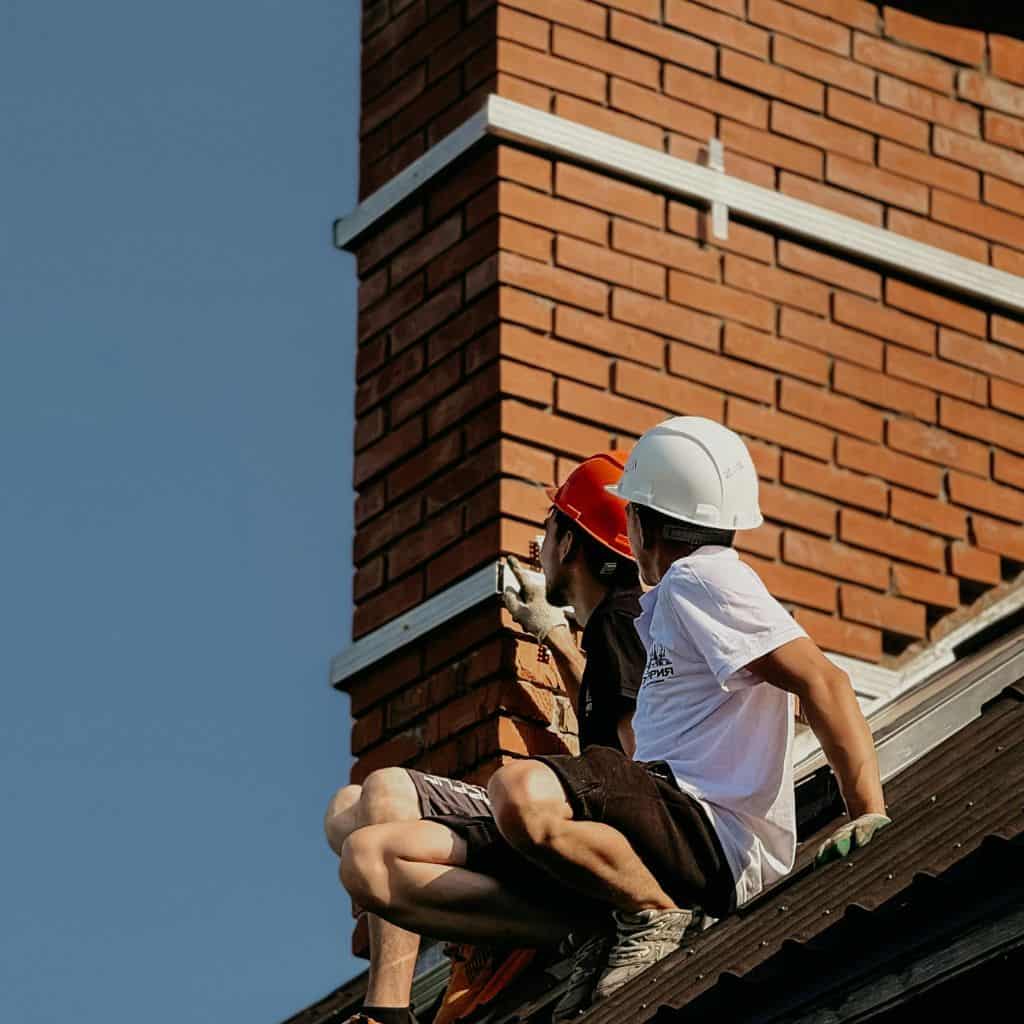
What does our chimney inspection process involve?
Our chimney inspection follows a systematic five-step process: external survey, stack check, flashing check, loft check and written report.
Our on-site procedures include:
External survey: photograph all four sides of the chimney from the ground
We begin with a full visual survey from ground level, capturing clear photographs of each side of the chimney stack. This allows us to identify obvious defects such as leaning brickwork, missing mortar, cracked pots or displaced flashing before accessing the roof.
Photographing all elevations provides a baseline record of the chimney’s condition and helps highlight areas requiring closer inspection. It also ensures nothing is overlooked, particularly on stacks that are not fully visible from a single vantage point.
Stack check: access the roof and manually inspect the joints
We then access the roof using appropriate safety equipment to carry out a hands-on inspection of the chimney stack. Each mortar joint is checked for signs of deterioration, including cracking, crumbling or gaps between bricks.
We also assess the overall stability of the stack, looking for movement, leaning or signs of structural stress. Physical inspection allows us to detect issues that are not visible from the ground, such as loose masonry or early-stage joint failure.
Flashing check: lift lead aprons and step flashings to assess their bond
The lead flashing around the base of the chimney is carefully lifted and checked to ensure it is still securely bonded and correctly seated. We inspect aprons, step flashings and back gutters for movement, splits or gaps.
This step is critical, as flashing is one of the most common points of water ingress. By testing how well the lead is fixed and sealed, we can identify weaknesses that may allow rainwater to penetrate the roof structure.
Loft check: look for dampness, soot streaks and timber decay
Inside the loft, we inspect the area around the chimney breast for signs of moisture or internal damage. This includes checking for damp insulation, water staining on rafters and any signs of timber decay.
We also look for soot streaks or residue, which can indicate issues with the flue or internal leakage paths. The loft inspection helps confirm whether external defects are already affecting the interior of the property.
Written report: provide photos, a defect list and a graded repair plan
After completing the inspection, we compile a detailed written report supported by date-stamped photographs. Each issue is clearly documented and categorised by severity, from minor maintenance to urgent repair.
The report includes a structured chimney repair plan, allowing you to understand what requires immediate attention and what can be monitored over time. This document is also useful for insurance purposes, property sales or general maintenance planning.
Why does prompt chimney inspection prevent bigger damage?
Prompt chimney inspections prevent extensive damage by addressing small defects before they escalate.
Consider a minor crack at the base of the flaunching. Addressed early, it requires only a fresh mortar fillet. Left unchecked for three years, the same defect can lead to water damage to the brickwork below, potentially causing the pot to blow off in extreme weather.
Hampshire’s weather can accelerate damage timelines compared to other regions. Coastal chimneys face salt and wind, while inland chimneys may suffer frost spalling on south-facing surfaces.
An annual visual inspection from your garden can identify most defects early, and a professional inspection every few years is recommended.
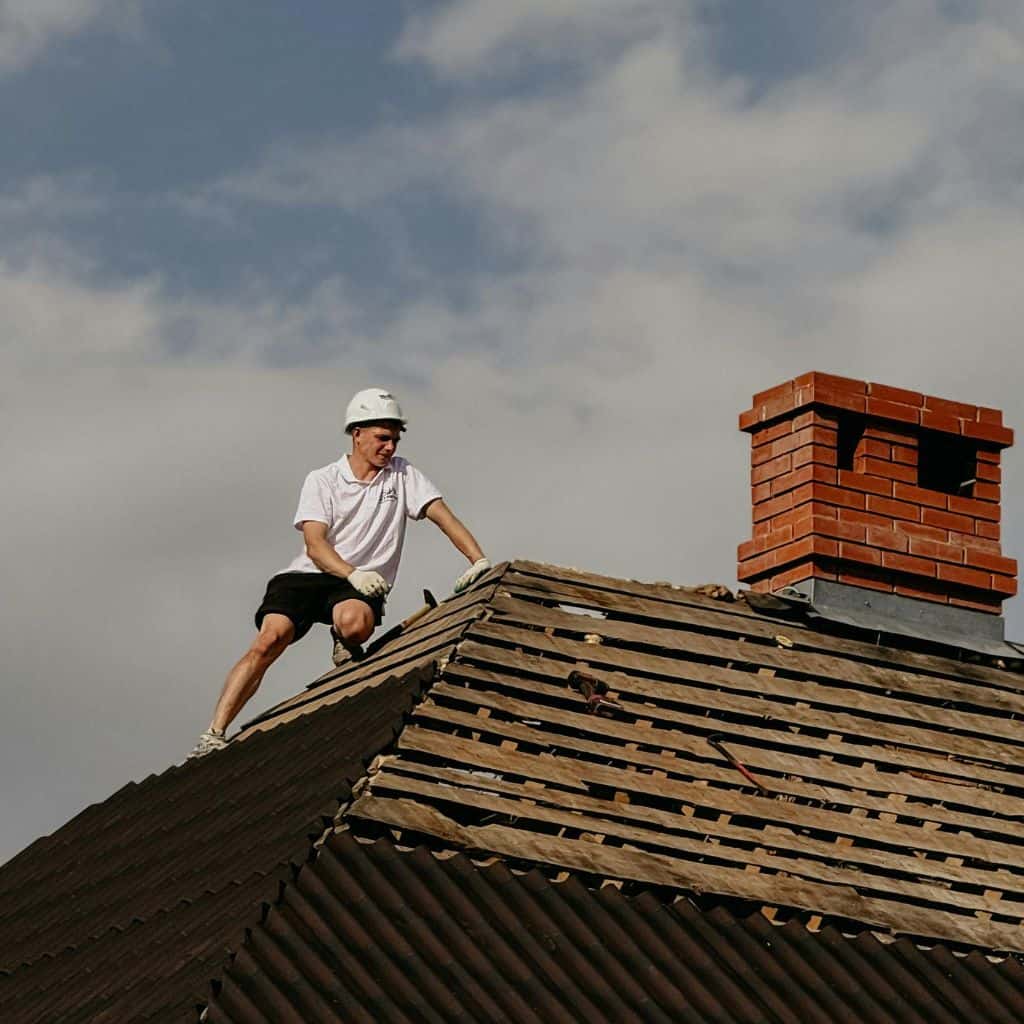
How long does a chimney inspection take?
A standard chimney inspection takes approximately one to two hours for a typical Hampshire home. Larger Victorian terraces with twin stacks may require additional time due to the extra stack and more extensive lead detailing.
A written report is provided after the inspection, including photographs, a graded defect list and a clear repair plan.
Why Choose C J Roofing & Renewables Ltd for Chimney Inspection in Hampshire?
Over 15 years of experience
Connor and Jack bring over 15 years of combined hands-on roofing experience, delivering everything from small domestic repairs to large-scale commercial projects across Hampshire.

Locally based in Hampshire
Based in Portsmouth with deep local roots, we understand Hampshire's homes, weather and building styles, which allows us to deliver roofing work that lasts.
5-star rated service
We are proud to be rated 5 stars on Google by our customers, reflecting the quality of our workmanship and our commitment to reliable, professional service.
Competent & highly trained team
Our team is fully trained and certified in asbestos awareness, working at height and manual handling, ensuring every project is carried out safely and to industry standards.
£5 million public liability insurance
We carry up to £5 million in public liability insurance, giving you complete peace of mind that your property is fully protected while we work.
10 year workmanship guarantee
All new roof installations and replacements come with a 10-year workmanship guarantee, so you are covered in the unlikely event of any issues.






Frequently asked questions
Take a look at the Frequently Asked Questions regarding our Chimney Inspection service.
Do you sweep chimneys during an inspection?
No, we do not sweep chimneys. Chimney sweeping is the responsibility of a chimney sweep, who cleans the flue and provides a sweep certificate upon completion.
Our inspection focuses on the chimney structure above the roof and the surrounding flashings. We assess brickwork, mortar joints, pots, flaunching and signs of dampness in the loft.
A well-maintained chimney often requires both trades to work in the same year. Your sweep manages the flue, while we handle the masonry and lead, ensuring a complete assessment without overlap.
What does the right chimney inspection cover?
A comprehensive chimney inspection assesses brickwork, mortar joints, pots, flaunching and flashings. Each component is graded as sound, requiring monitoring, or in need of repair.
Brickwork checks involve examining for spalling, leaning and frost damage. We tap each surface to detect hollow sounds and measure any lean using a plumb line from above the stack.
Mortar joints are probed with a screwdriver tip. Sound mortar resists the pressure, while failed mortar crumbles into sandy powder, indicating that repointing is required.
We then evaluate pots and flaunching. Cracked pots allow water entry, and damaged flaunching lets rainwater into the flue void. Each defect is documented with date-stamped photographs.
We do not sweep chimneys or test flue gases; those tasks are handled by a chimney sweep or Gas Safe engineer. Our focus is on the masonry, flashings and visible damp signs in the loft.
Do you offer recurring chimney inspection contracts?
No, we provide one-off chimney inspections rather than ongoing contracts. Each inspection is booked separately and includes its own scaffold quote and written report.
A one-time inspection is appropriate in four situations: listing the property, anticipating heavy winter fire use, after a storm, or purchasing a home with an older stack. We are available when needed, without any ongoing commitment.
Pre-sale surveys and post-storm assessments are common reasons for contacting us. Both can be addressed in a single visit.
How does a chimney inspection support an insurance claim?
A chimney inspection supports an insurance claim by demonstrating that the stack was sound before any loss event. Insurers distinguish between sudden damage and gradual wear, and recent inspection photographs clearly delineate the two.
In the event of storm damage – such as torn flashing or a cracked pot – the claim depends on proving that the defect is new. A dated inspection report from us confirms the stack’s condition prior to the incident, which is accepted by loss adjusters as evidence.
Without documentation, insurers often attribute damage to wear and tear, particularly on stacks over 80 years old. A straightforward inspection report closes this gap before claims arise.
Can a chimney inspection happen from the ground?
A full chimney inspection requires roof access. Our initial survey can be conducted from the ground using binoculars, identifying obvious defects such as spalled bricks, leaning courses, missing flashing and cracked pots.
A detailed inspection requires closer examination. We probe the mortar, lift the lead and check the flaunching at close range, which necessitates a tower scaffold or roof ladder.
Access methods are itemised separately in every quote, providing clarity on the inspection scope and access requirements before work commences.