Chimney Repair Hampshire
Chimney Repair Services in Hampshire
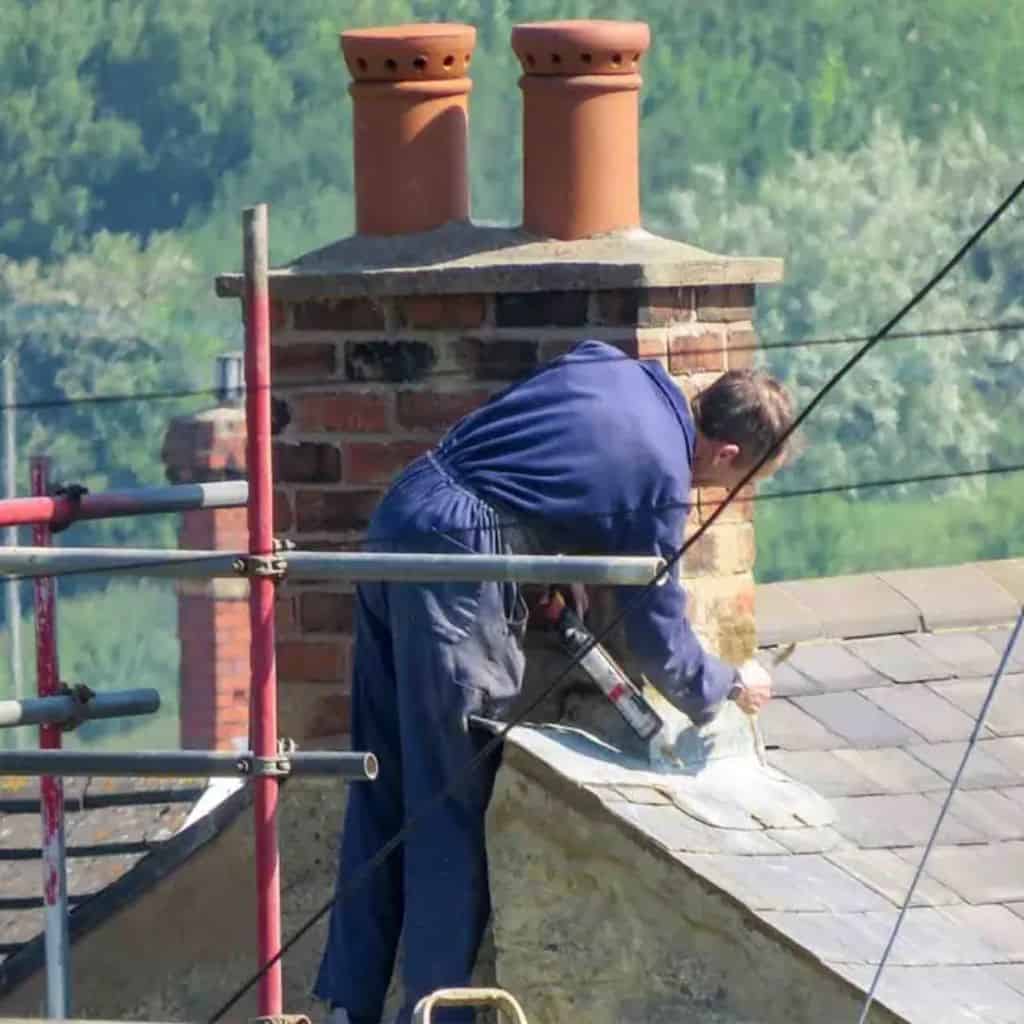
Chimney repair addresses the deterioration that weather causes to mortar joints, lead flashing, brickwork and the pot: the components that together prevent water from entering the rooms below. Left unattended, even minor failures in these elements allow moisture to work its way through the stack and into the structure beneath.
C J Roofing & Renewables Ltd specialises in chimney repairs across Hampshire. We begin with a site visit to identify exactly which components have failed, then restore each one to a robust, durable condition, matched to your property’s age and materials.
Your written, itemised quote follows within 48 hours of the survey. Call 07512976384 for a free site visit. We respond within 48 hours.
The types of Chimney Repairs we provide
What are the signs your chimney needs a repair?
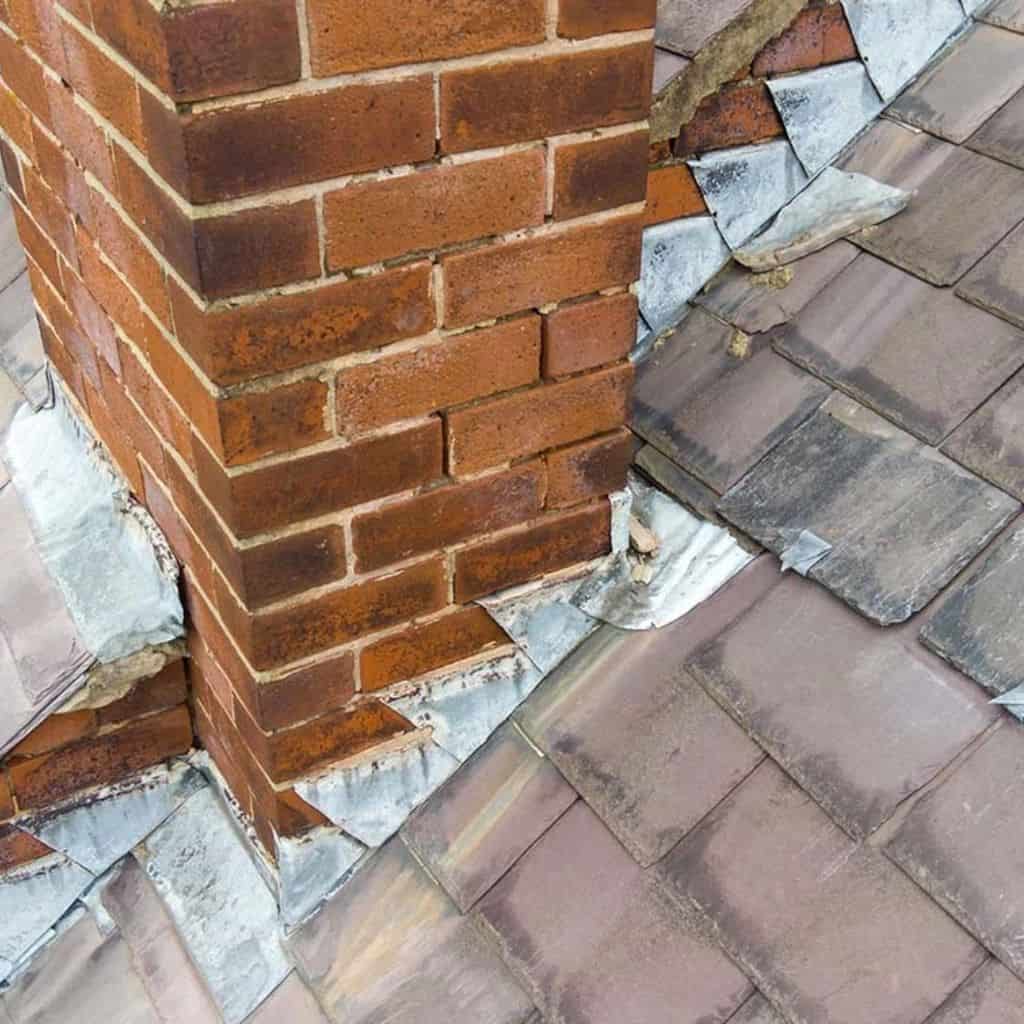
Crumbling mortar, leaning brickwork and damp patches on ceilings all indicate that the chimney’s weather seal has been compromised above the roofline and requires attention.
Common signs include:
Spalled brick faces where frost has lifted the surface
Spalling occurs when frost forces the outer layer of brick to lift and break away, producing flaking or crumbling faces that expose the softer inner material to further damage.
Once spalling begins, water penetrates more readily and the deterioration accelerates. Addressing it early can prevent the need for brick replacement or a full stack rebuild.
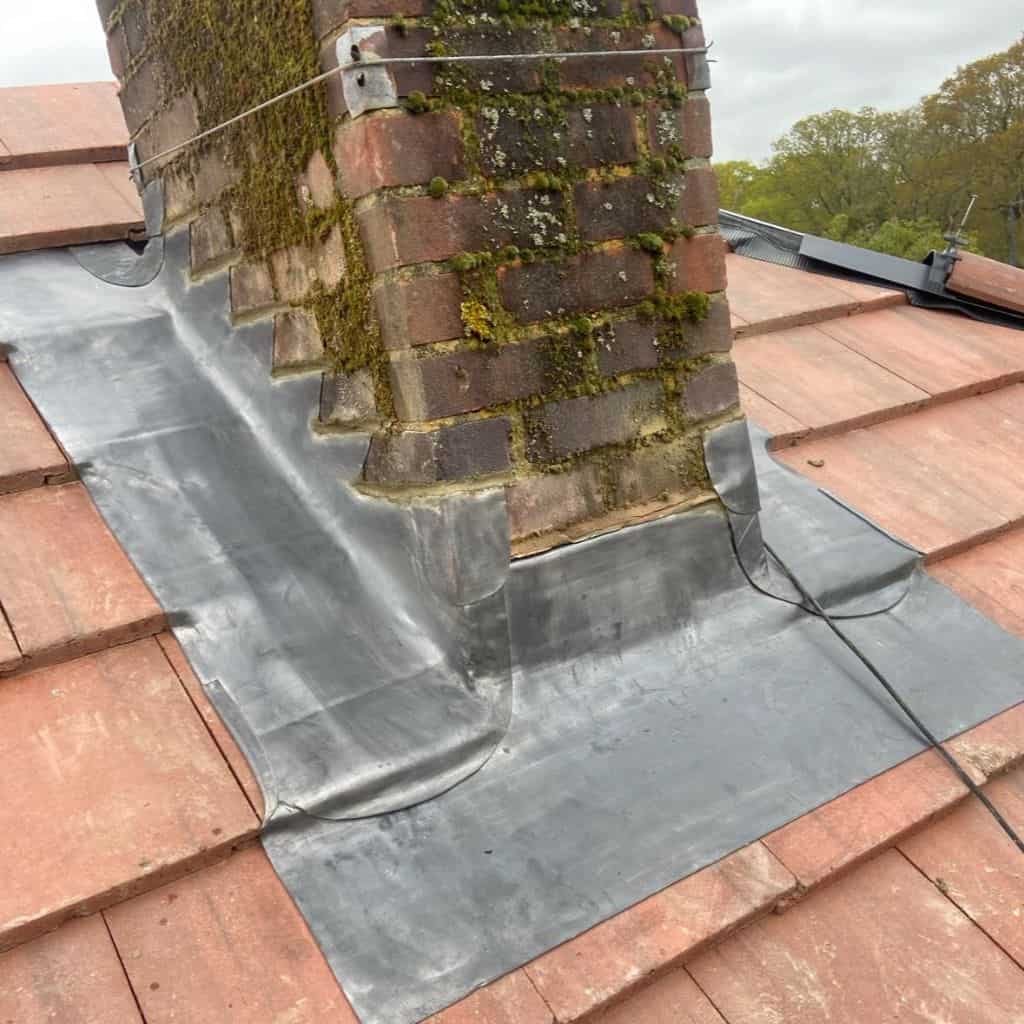
Loose lead flashing pulled away from the brickwork
Loose flashing that has pulled away from the brickwork creates gaps through which wind-driven rain can enter. Thermal movement, poor original installation or failed fixings are the usual causes.
Water entering through lifted flashing can cause damp within the property and damage to roof timbers. Dressing new lead flashing into a chased reglet provides a durable and lasting fix.
Cracked flaunching around the pot base
Cracked flaunching (the cement crown around the chimney pot) allows water to enter the top of the stack. Cracks develop through age, frost and thermal movement over time.
Water entering through damaged flaunching can deteriorate the flue and the brickwork below it. Re-bedding the pot with fresh flaunching seals the entry point effectively.
Rust streaks running down the render below the stack
Rust streaks on render or brickwork indicate corroding metal fixings, nails or flashing components, and confirm that moisture is penetrating the stack and reacting with metal inside.
These stains are more than cosmetic: they signal ongoing moisture ingress that can weaken the structure over time. Addressing the source prevents further corrosion and the damage that follows.
White efflorescence salts on the chimney breast inside
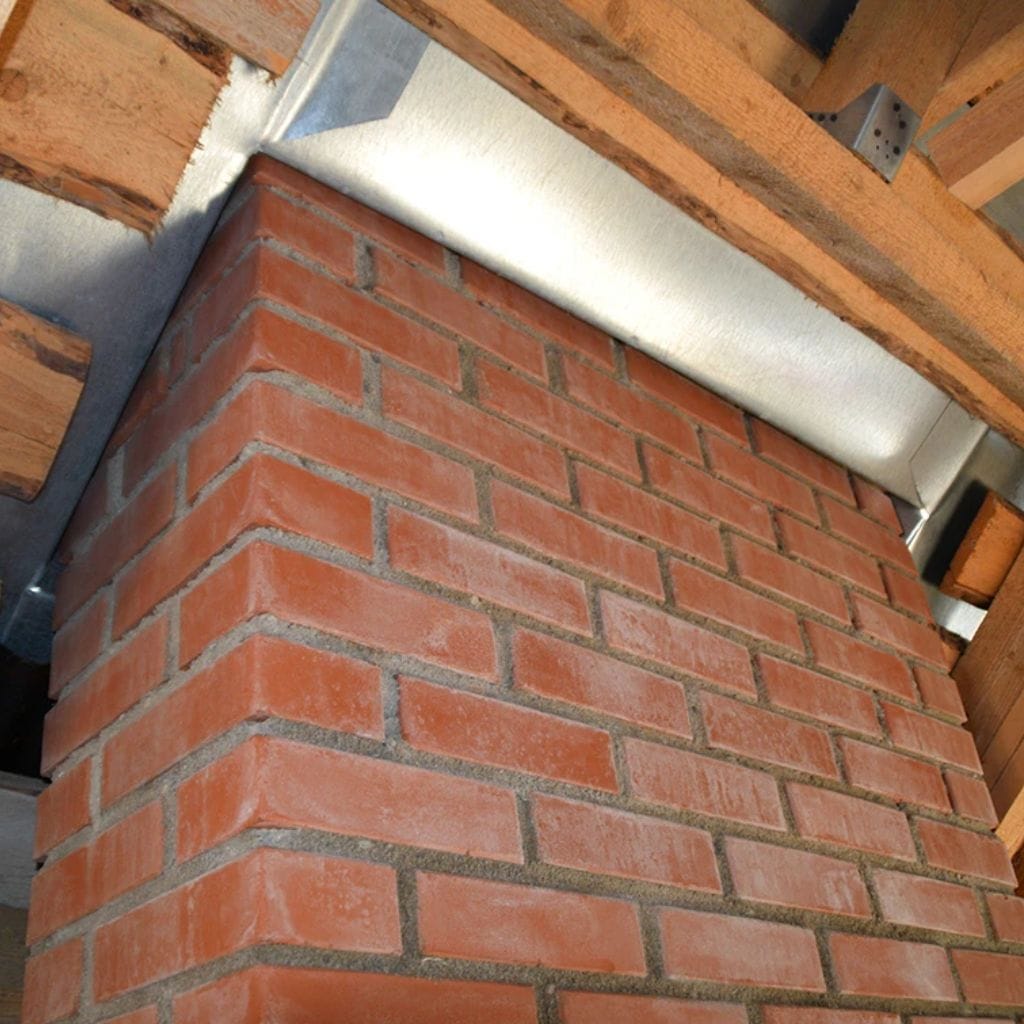
White powdery deposits on the internal chimney breast are efflorescence, caused by moisture drawing salts to the surface as it evaporates. This indicates that water is moving through the brickwork.
Efflorescence is a warning that the weather seal has failed. Repairing the external defects stops the moisture path and prevents further internal staining.
How does chimney repair protect your home?
Chimney repair secures the weather envelope around the stack. Sound mortar, flashings and flaunching seal off the pathways that water would otherwise exploit, keeping the chimney breast dry and stopping a chimney leak reaching bedroom ceilings.
Once the weather envelope is intact, loft timbers are no longer exposed to persistent moisture, and the risk of concealed rot is removed.
Repair also safeguards the broader roof structure. A leaning stack can exert pressure on the roof ridge, loose pots may damage the slates below, and properly dressed flashing directs water away from beneath the tiles and into the gutter.
What does our chimney repair process involve?
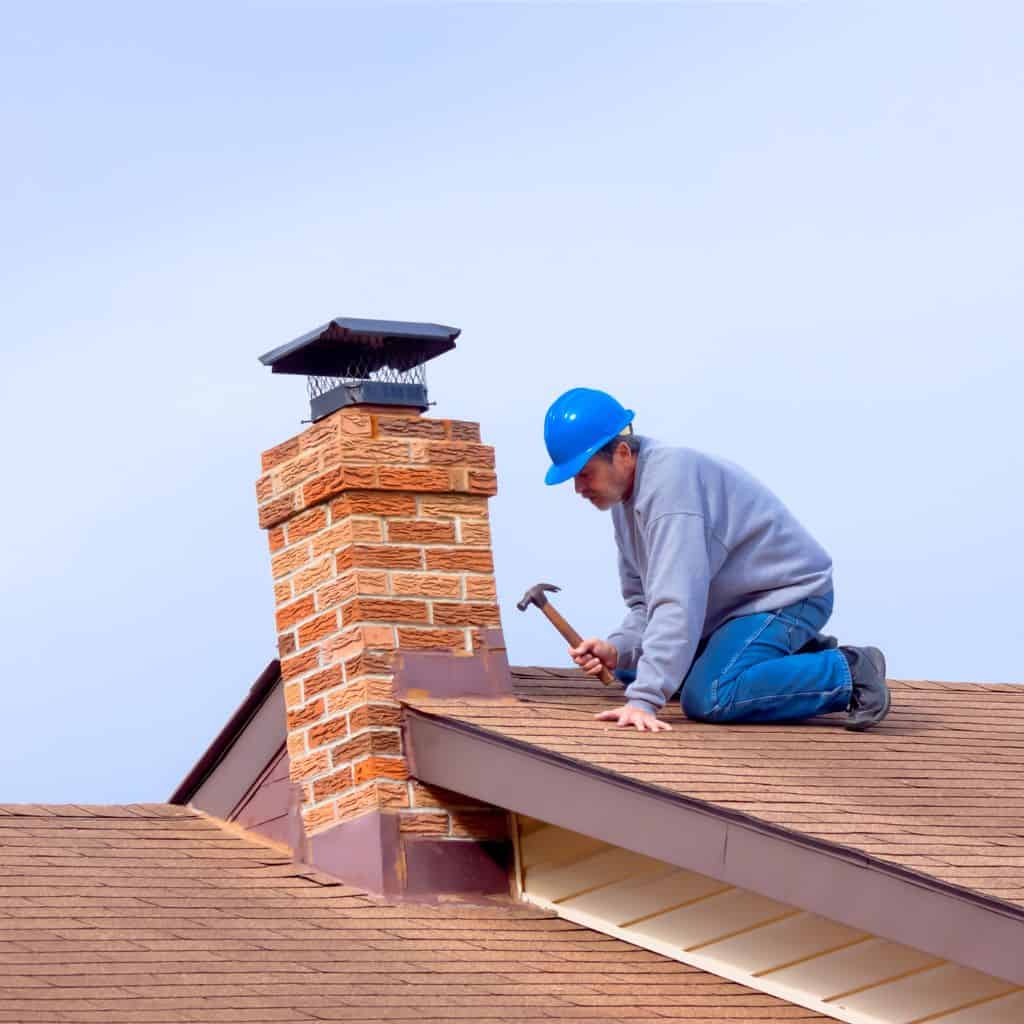
Our chimney repair process follows five stages: survey, scaffold, strip, repair and finish. Each project begins with a thorough written survey and ground-level photographs before any work proceeds.
The on-site process includes:
Survey: photograph all elevations and assess defects
We begin with a thorough survey, photographing all four elevations and assessing each defect in turn. A written report documents the condition of the stack and determines the appropriate repair scope.
This ensures every issue is identified and the repair plan is clear and agreed before work begins.
Scaffold: erect a stable platform with edge protection
We install scaffolding with edge protection and toe boards to provide safe access for all repairs at height. This stable platform is a requirement under HSE regulations for work of this nature.
Scaffold requirements are quoted separately, based on stack height and site access.
Strip: remove failed mortar, lift faulty lead, clear debris
We strip out all failed materials, including deteriorated mortar, faulty lead flashing and loose debris. This exposes the true condition of the chimney and removes every weak point before the repair begins.
Working back to a sound base ensures that the new repair will be both durable and effective over the long term.
Repair: repoint joints, dress lead, re-bed pots, re-flaunch
We carry out the necessary repairs: repointing joints with appropriate mortar, dressing new lead flashings, re-bedding pots and re-flaunching the crown. Each component is restored to a robust condition.
Mortar is matched to the age of the property, and lead is installed to current standards throughout.
Finish: clean down and photograph the completed work
Once repairs are complete, we clean down the site and photograph the finished work. This documentation provides a clear record for insurance purposes, future maintenance and any surveyor references.
Unlike new installations, repair work does not carry a guarantee, but the repaired components are restored to a robust and durable condition.
What repair scope does your chimney need?
The repair scope depends on factors including decay depth, lead condition and pot state. We categorise the work into three tiers: pointing, flashing and masonry repair.
A mortar pointing repair addresses open joints on a structurally sound stack. We remove old mortar to a solid depth and apply fresh mortar in two layers, matched to the original joint profile.
A flashing repair corrects lifted lead, cracked fillets and torn back gutters. We cut a new reglet into the joint and install new code 4 or code 5 lead throughout.
A masonry repair handles spalled bricks, broken pots and damaged flaunching. We replace individual bricks with matching units, bed new pots on fresh flaunching and secure tall pots with stainless straps.
Each scope is detailed in our chimney inspection report, providing clear and considered options for your approval.
Why Choose C J Roofing & Renewables Ltd for Chimney Repair in Hampshire?
Over 15 years of experience
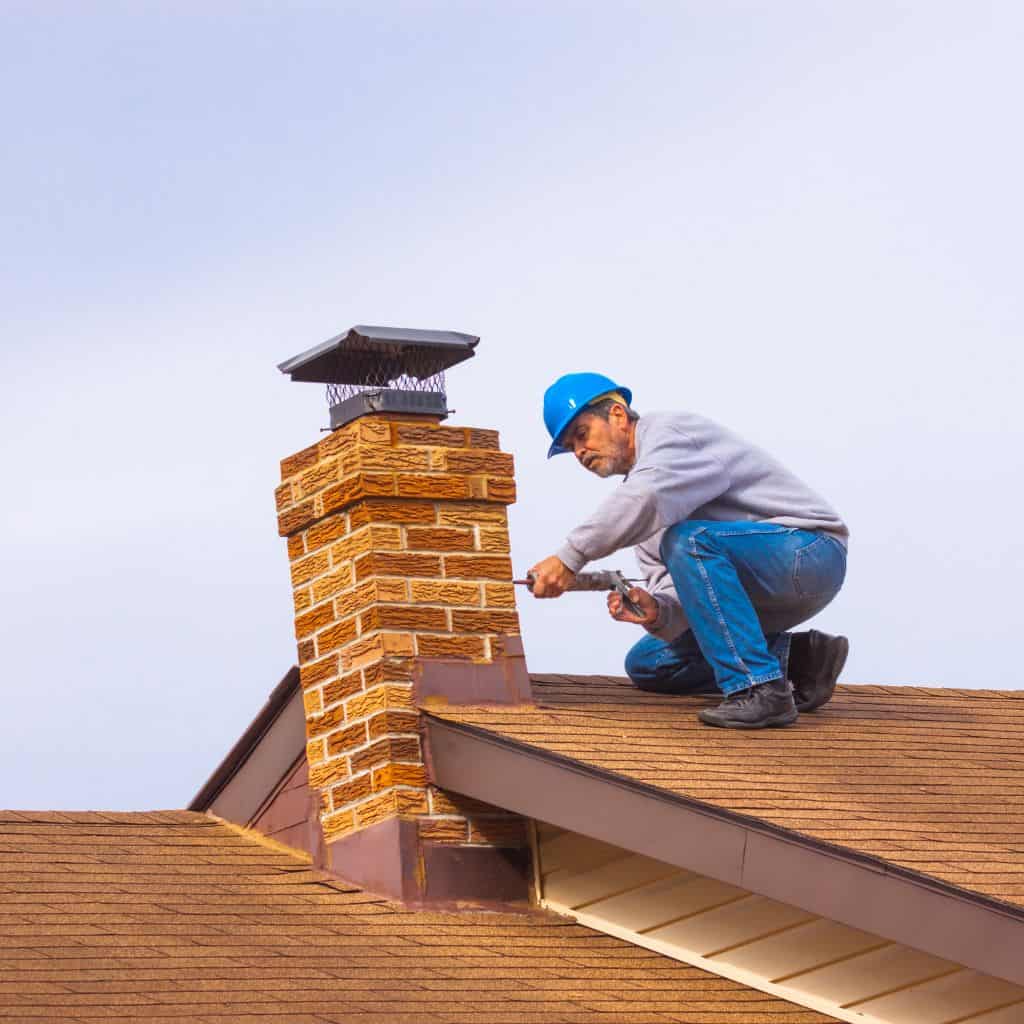
Connor and Jack bring over 15 years of combined hands-on roofing experience, delivering everything from small domestic repairs to large-scale commercial projects across Hampshire.

Locally based in Hampshire
Based in Portsmouth with deep local roots, we understand Hampshire's homes, weather and building styles, which allows us to deliver roofing work that lasts.
5-star rated service
We are proud to be rated 5 stars on Google by our customers, reflecting the quality of our workmanship and our commitment to reliable, professional service.
Competent & highly trained team
Our team is fully trained and certified in asbestos awareness, working at height and manual handling, ensuring every project is carried out safely and to industry standards.
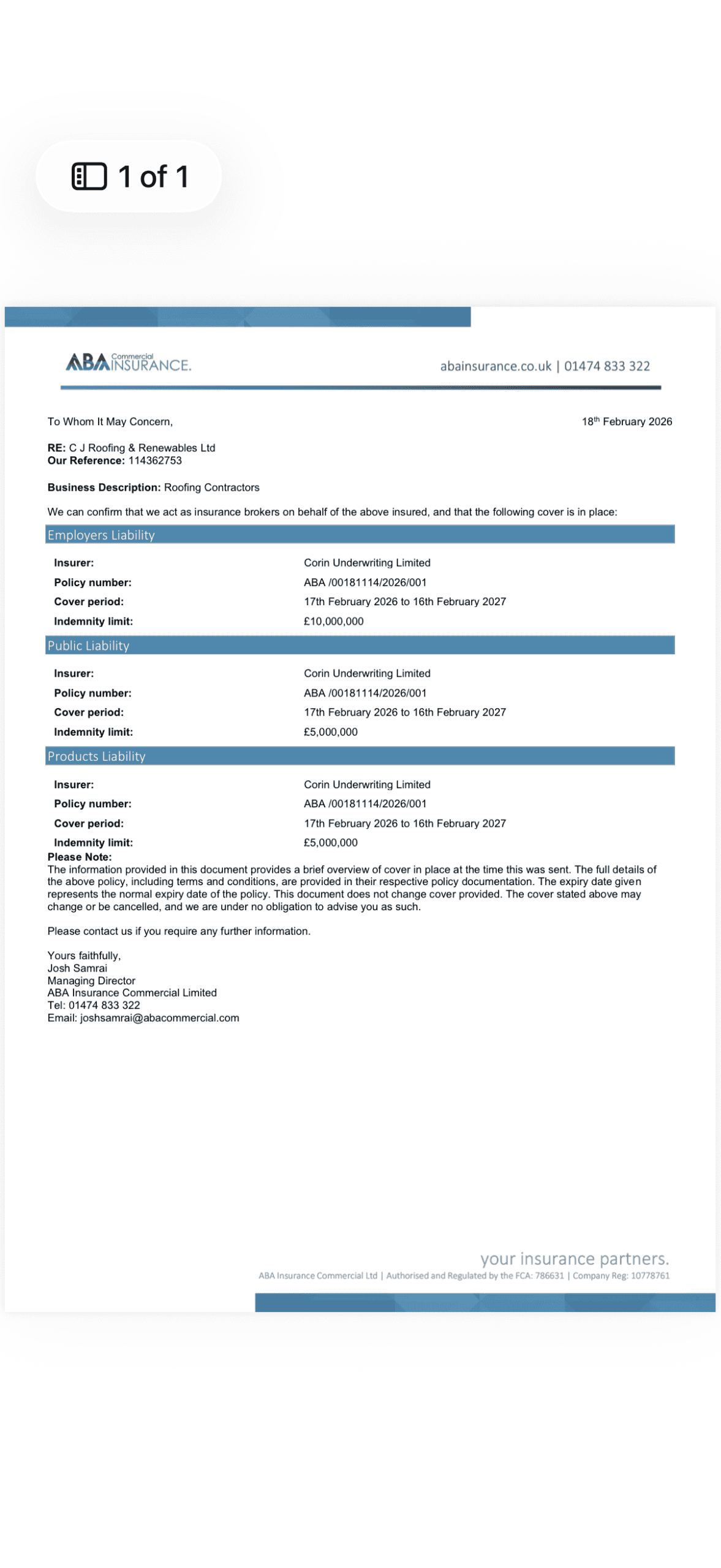
£5 million public liability insurance
We carry up to £5 million in public liability insurance, giving you complete peace of mind that your property is fully protected while we work.
10 year workmanship guarantee
All new roof installations and replacements come with a 10-year workmanship guarantee, so you are covered in the unlikely event of any issues.






Frequently asked questions
Take a look at the Frequently Asked Questions regarding our Chimney Repair service.
Do you handle the building regulations paperwork?
Yes, we handle building regulations paperwork for the repairs that require it. Part J of the Building Regulations covers flue safety, terminal heights and clearances.
Simple repointing or flashing repairs often fall outside Part J, while flue liner changes, working pots or stack rebuilds are covered by it. We indicate this clearly on the quote so you know what applies to your project.
Listed building consent is required for pre-1840 homes. We submit drawings and a method statement before work begins.
How long does a chimney repair take?
A typical chimney repair on a standard Hampshire terrace takes one to two days. A pointing job on a small stack usually takes one day, a flashing repair may take one to two days, and a masonry repair with new pots requires additional time depending on scope.
Weather can affect the timeline in winter, as cold conditions hinder mortar curing and sustained rain can extend the process between November and March.
How do you match repairs on period chimneys?
We match period chimneys using lime mortar, salvaged bricks and matching pot profiles. Pre-1919 stacks require natural hydraulic lime, as modern cement can trap moisture and damage soft Victorian brick.
We source salvaged bricks from local reclamation yards, ensuring that colour, texture and size match the surrounding brickwork more accurately than new stock would allow.
Conservation officers review proposals for listed homes before work proceeds.
Can we work around an active fireplace?
Yes, we can accommodate an active fireplace with a staged shutdown plan. A temporary plate seals the throat during work, preventing dust, debris and rainwater from entering the living room.
Most disruptive work is scheduled outside the heating season, with spring and summer being the ideal period for Hampshire homes. Gas fires must be isolated by a Gas Safe engineer before any flue work begins, and your chimney sweep should clear the flue once repairs are complete.
We agree start times, dust control measures and access routes at a pre-start meeting, with one designated contact managing communications throughout the work.
Is scaffolding always required for chimney repair?
Scaffolding is required for any extensive work at height. The HSE Working at Height Regulations 2005 mandate this, and scaffolding provides a stable platform with edge protection and toe boards throughout the work.
Tower scaffolding suits smaller jobs on bungalows and single-storey extensions.
Costs are determined by stack height and access conditions, and we provide a separate line item for the access method in our quote.