Chimney Mortar Repair Hampshire
Chimney Mortar Repair Services in Hampshire
Chimney mortar repair is the process of removing deteriorated joints and refilling them with a fresh mix suited to the masonry. Properly executed, it re-establishes a secure lock between the bricks and directs rainwater away from the stack, preventing moisture from reaching the roof timbers and the structure below.
C J Roofing & Renewables Ltd specialises in chimney mortar repairs across Hampshire. Our approach includes raking to a precise depth, selecting a mortar mix matched to the specific brick type and age, and tooling the joint to achieve a clean, weather-resistant finish.
Your written, itemised quote follows within 48 hours of the site visit. Call 07512976384 for a free site visit. We respond within 48 hours.
What are the signs that your chimney mortar needs repair?
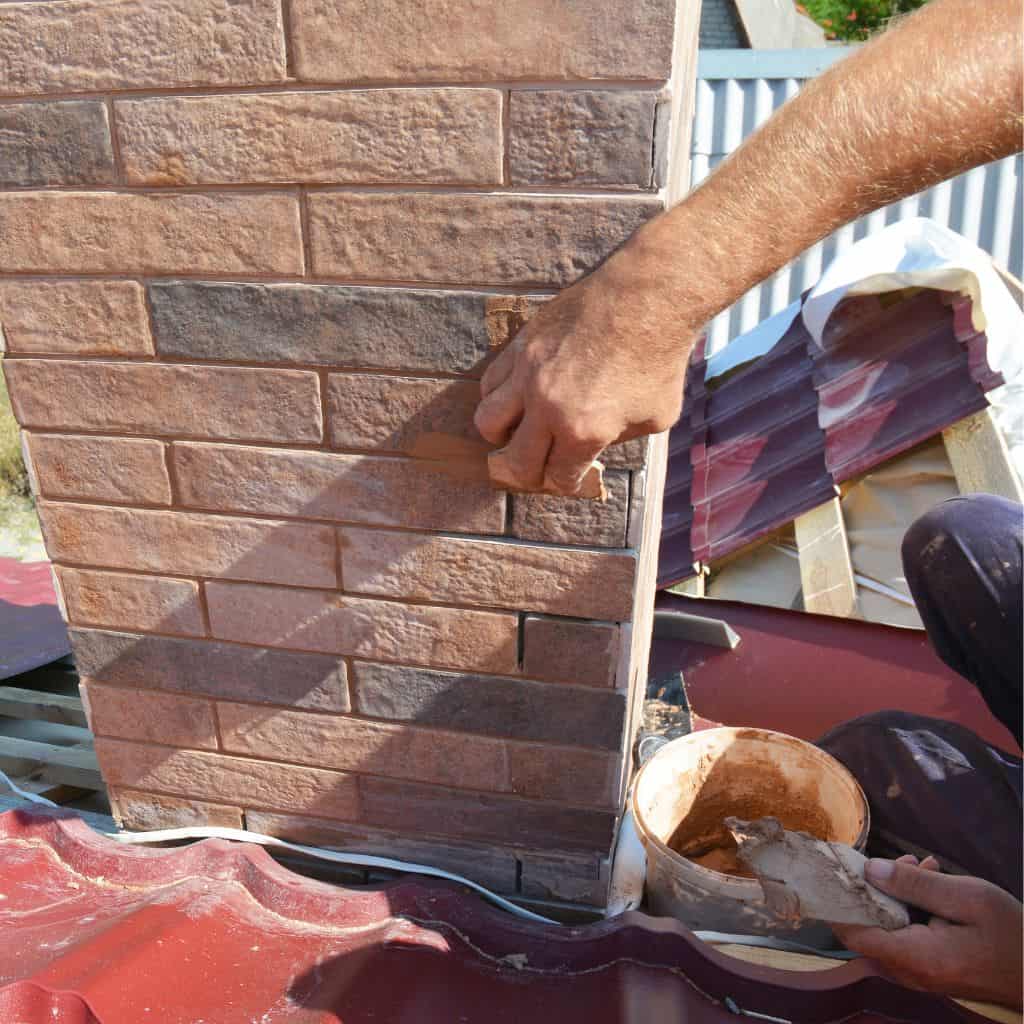
Crumbling joints, vertical cracks, and loose corner bricks are clear indicators that chimney mortar repair is required. These signs point to a compromised weather seal around the stack.
Common indicators include:
Sandy debris accumulating in the gutter or on the roof slope
Loose, sandy material in the gutters or on the roof slope is often the first visible sign that chimney mortar is breaking down. As mortar weathers, it gradually turns to fine granules that wash down the roof during rain.
This debris indicates that the joints are no longer binding the bricks together effectively. Left unaddressed, the loss of mortar can widen gaps between bricks and allow water to enter the stack.
Open joints between bricks at the top of the stack
Open joints at the top of the chimney stack show that the pointing has worn away or fallen out entirely. These gaps are particularly vulnerable because they sit at the most exposed part of the chimney.
Once the joints are open, rainwater can penetrate directly into the masonry. Over time, this leads to internal damp, frost damage, and further deterioration of the surrounding brickwork.
Damp patches on the chimney breast in bedrooms or lofts
Damp patches on internal walls near the chimney often suggest that moisture is travelling through failed mortar joints. These patches may appear as discoloured areas, cold spots, or soft plaster in bedrooms or loft spaces.
This kind of staining usually means water has already moved beyond the external brickwork and into the structure. Prompt chimney repair can stop the leak path before the damage spreads further into the property.
Birds extracting material from the stack for nest building
If birds are pulling mortar from the chimney, it is a reliable sign that the joints are already loose and deteriorating. Birds tend to target soft or friable mortar because it can be removed easily for nesting material.
Although this may appear minor, it accelerates the breakdown of the stack by widening existing gaps. Bird activity of this kind is often a clear signal that the chimney is approaching the point where repointing is needed.
White efflorescence streaks below the joint line
White streaks or powdery deposits below the mortar joints are known as efflorescence. They occur when moisture draws salts to the surface of the brickwork as it evaporates.
This is a reliable warning that water is moving through the chimney masonry. Although efflorescence itself is not the cause of the problem, it consistently points to ongoing moisture ingress through failed mortar or nearby defects.
Older Hampshire homes, particularly those built before 1919, often show these signs first, as their original lime mortars reach the end of their service life over decades.
If you notice any of these issues on your chimney, contact us at 07512976384.
What causes chimney mortar deterioration?
Chimney mortar deterioration results from sustained exposure to rain, wind, frost cycles, and chemical attack from flue gases. Each of these elements contributes to the erosion of the mortar joint over time.
The chimney stack, being the highest point of a house, is particularly vulnerable to Hampshire’s prevailing south-westerly winds, which drive rain directly into the pointing. Water trapped within the mortar can freeze during winter, causing fractures that widen with each successive freeze-thaw cycle.
Sulphates from burnt fuels react with cement-based mortars, producing expansive crystals that can displace bricks. Once the joint loses its weatherproofing, the brick faces themselves can begin to spall.
Salt-laden air from the coast can accelerate this deterioration further, with wind-driven chloride increasing the rate of attack during winter months.
What does our chimney repointing process involve?
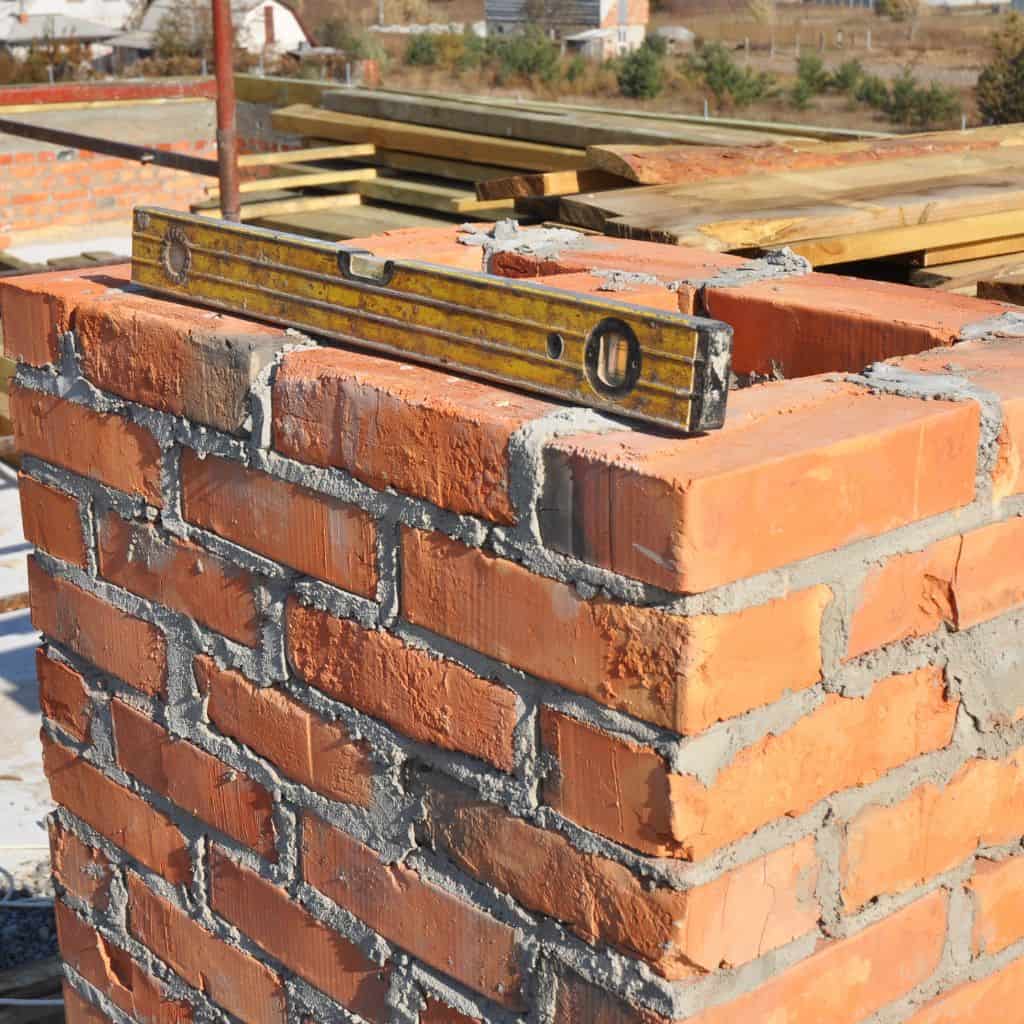
Our chimney repointing process follows six stages: access, rake out, brush, dampen, pack, and strike. Each joint receives careful attention from top to bottom.
Our on-site procedure includes:
Access: establish scaffold or a stable tower
We begin by creating safe access around the chimney stack using scaffold or a stable tower. This provides the reach and stability needed to work accurately on all exposed joints.
Reliable access is essential for both safety and quality of workmanship, particularly on taller or more exposed chimneys.
Rake out: remove all failed mortar
We remove the deteriorated mortar to a sound depth, clearing out all loose, cracked, or powdery material. This creates a clean base to which the new mortar can bond properly.
Thorough raking out helps prevent premature failure and ensures the repair achieves lasting performance.
Brush and dampen: clean and prepare the joints
Once the joints are cleared, we brush out dust and debris, then dampen the brickwork. This prevents the dry masonry from drawing too much moisture out of the fresh mortar too quickly.
Preparing the joints in this way allows the new mortar to cure evenly and achieve a stronger, more durable finish.
Pack: apply fresh mortar to the joints
Fresh mortar is packed firmly into the joints in passes to ensure they are fully filled. We use a mortar mix suited to the age and type of the chimney, so the repair performs as intended over the long term.
Careful packing improves both the structural integrity and weather resistance of the pointing.
Strike: finish to match the original profile
The final stage is shaping the mortar joint to match the existing style – whether weather-struck, bucket-handle, or flush. This gives the chimney a neat finish and helps shed water effectively.
Matching the original profile also ensures the repair sits in with the rest of the brickwork.
How do we choose the right mortar mix for your chimney?
The appropriate mortar mix depends on the age and type of the brickwork. Pre-1919 chimneys require natural hydraulic lime, while post-1945 construction is better suited to a cement-lime mix.
Lime mortar is flexible enough for use with soft, handmade bricks, allowing moisture to escape and remaining intentionally softer than the surrounding masonry.
Modern wire-cut bricks can withstand harder mixes because of their dense structure, which resists the moisture problems that older bricks are susceptible to. A cement-lime mix is well suited to post-war estate homes.
Coastal chimneys are exposed to salt-laden air, which can erode cement-rich mortars over time. For this reason, we favour lime mortar on coastal properties regardless of their age.
We provide a sample panel on a rear elevation to confirm that the colour, texture, and joint profile match the existing work before commencing the full project.
Why is prompt chimney mortar repair important?
Addressing chimney mortar repair promptly prevents extensive damage from developing – a small defect dealt with early can avert the need for a complete chimney rebuild later. Joints failing in one course can quickly affect the course above and below.
Neglected joints in Hampshire are subjected to demanding weather conditions. Coastal stacks are particularly vulnerable to salt and wind, while inland stacks are prone to frost damage on south-facing surfaces, both of which accelerate deterioration.
Regular visual inspections allow most defects to be identified early. Using binoculars on a clear day enables homeowners to spot lifted joints from the garden, and sandy debris collecting in the gutter is a clear warning sign that repair is needed.
Why Choose C J Roofing & Renewables Ltd for Chimney Mortar Repair in Hampshire?
Over 15 years of experience
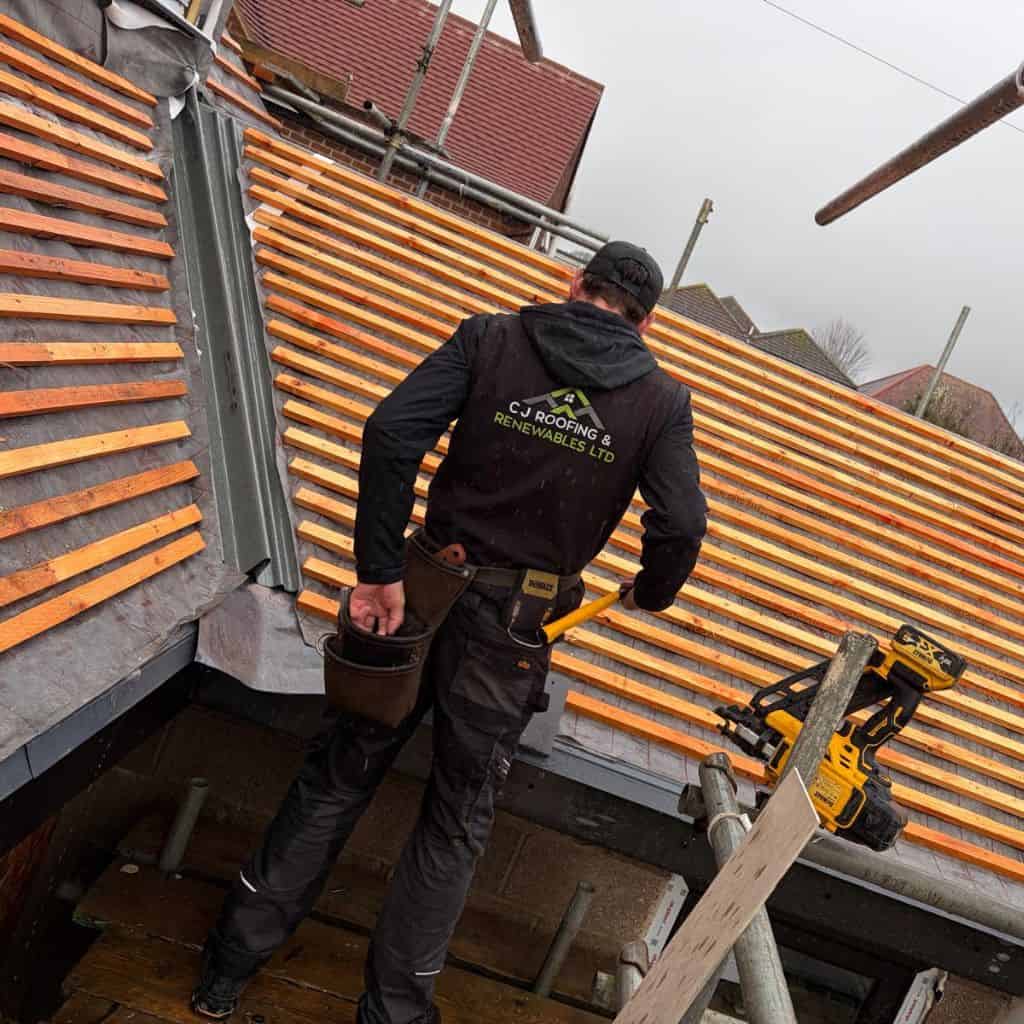
Connor and Jack bring over 15 years of combined hands-on roofing experience, delivering everything from small domestic repairs to large-scale commercial projects across Hampshire.

Locally based in Hampshire
Based in Portsmouth with deep local roots, we understand Hampshire's homes, weather and building styles, which allows us to deliver roofing work that lasts.
5-star rated service
We are proud to be rated 5 stars on Google by our customers, reflecting the quality of our workmanship and our commitment to reliable, professional service.
Competent & highly trained team
Our team is fully trained and certified in asbestos awareness, working at height and manual handling, ensuring every project is carried out safely and to industry standards.
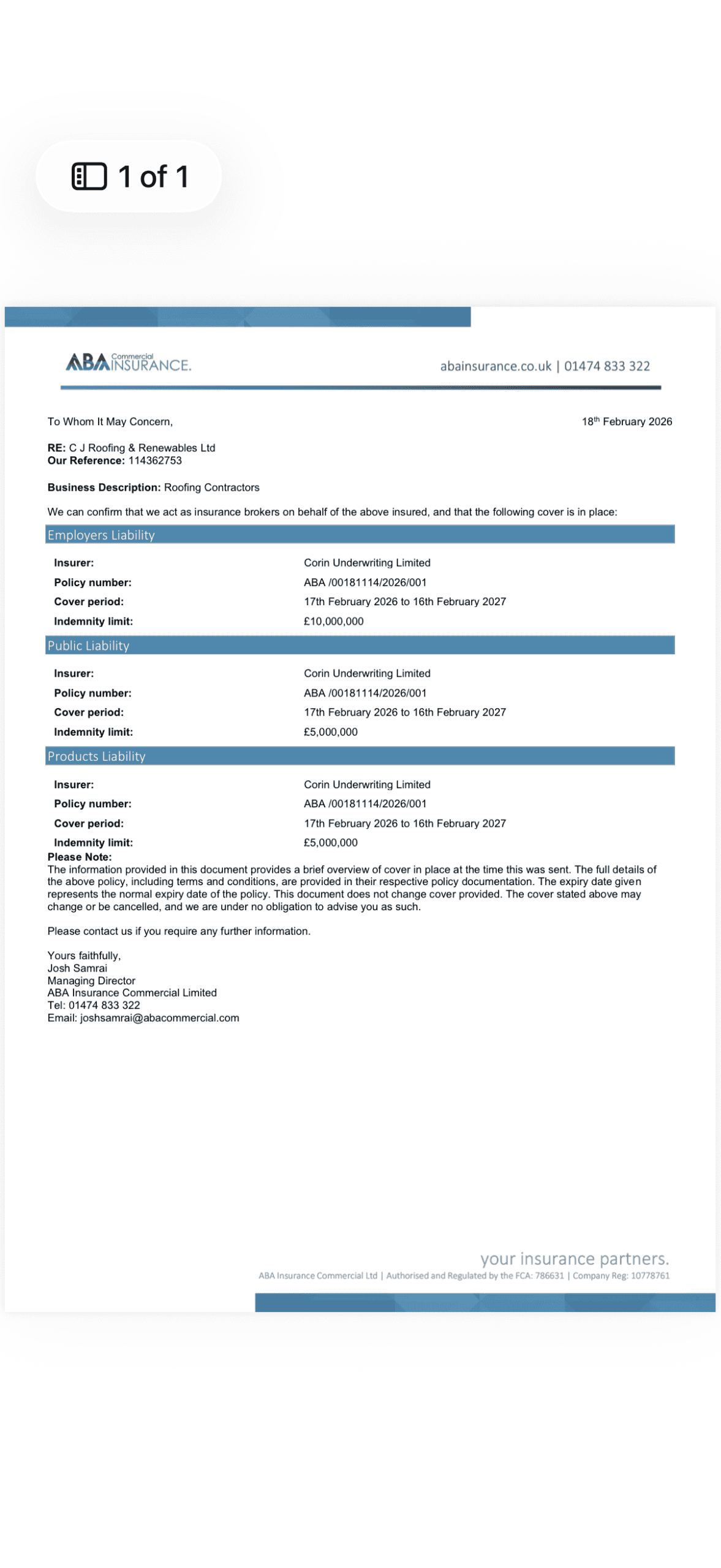
£5 million public liability insurance
We carry up to £5 million in public liability insurance, giving you complete peace of mind that your property is fully protected while we work.
10 year workmanship guarantee
All new roof installations and replacements come with a 10-year workmanship guarantee, so you are covered in the unlikely event of any issues.






Frequently asked questions
Take a look at the Frequently Asked Questions regarding our Chimney Mortar Repair service.
How long does a chimney repointing job take?
A chimney repointing job typically takes one to two days for a standard Hampshire terrace. A smaller stack may be completed within a single day, while a taller chimney pot cluster may require additional time.
Do you handle listed chimneys?
We repoint listed chimneys throughout Hampshire. Listed building consent is required for homes built before 1840 and those located within conservation areas.
Conservation officers review the mortar specifications, and hot-mixed lime is often recommended for older chimneys where original surveys indicate that this method is appropriate.
How do you match mortar colour and profile?
Mortar colour is matched by analysing the original sand and binder. Sharp sand with rounded grains provides the necessary workability and density for a chimney joint; using only soft sand risks shrinkage and cracking over time.
We match the joint profile to the original style. Weather-struck profiles are typical on Victorian chimneys, bucket-handle profiles are common in early twentieth-century brickwork, and flush profiles suit modern wire-cut bricks.
Does chimney mortar repair affect home insurance?
Mortar repair can have a positive bearing on home insurance, as a documented maintenance history demonstrates that the property has been properly maintained. Building policies may include a maintenance exclusion clause that voids coverage for gradual deterioration.
A chimney with no maintenance records may fall under this clause, whereas one with a repointing receipt and photographs is in a much stronger position.
Mortgage valuers may also highlight mortar loss in pre-purchase reports, and a fresh repointing can resolve this concern before a sale or remortgage.
How do you protect new mortar through Hampshire weather?
New mortar is protected using curing sheets, controlled moistening, and an adequate curing period. Lime mortar requires time to carbonate, while cement-lime mortar needs time to hydrate fully.
We apply hessian curing sheets to joints after application and moisten them as needed during warm or windy weather to ensure a gradual, even curing process.
We avoid repointing when temperatures approach freezing, as frost can destroy the bond in green mortar. Most domestic repointing is therefore scheduled for the warmer months of the year.