Chimney Cap Installation Hampshire
Chimney Cap Installation Services in Hampshire
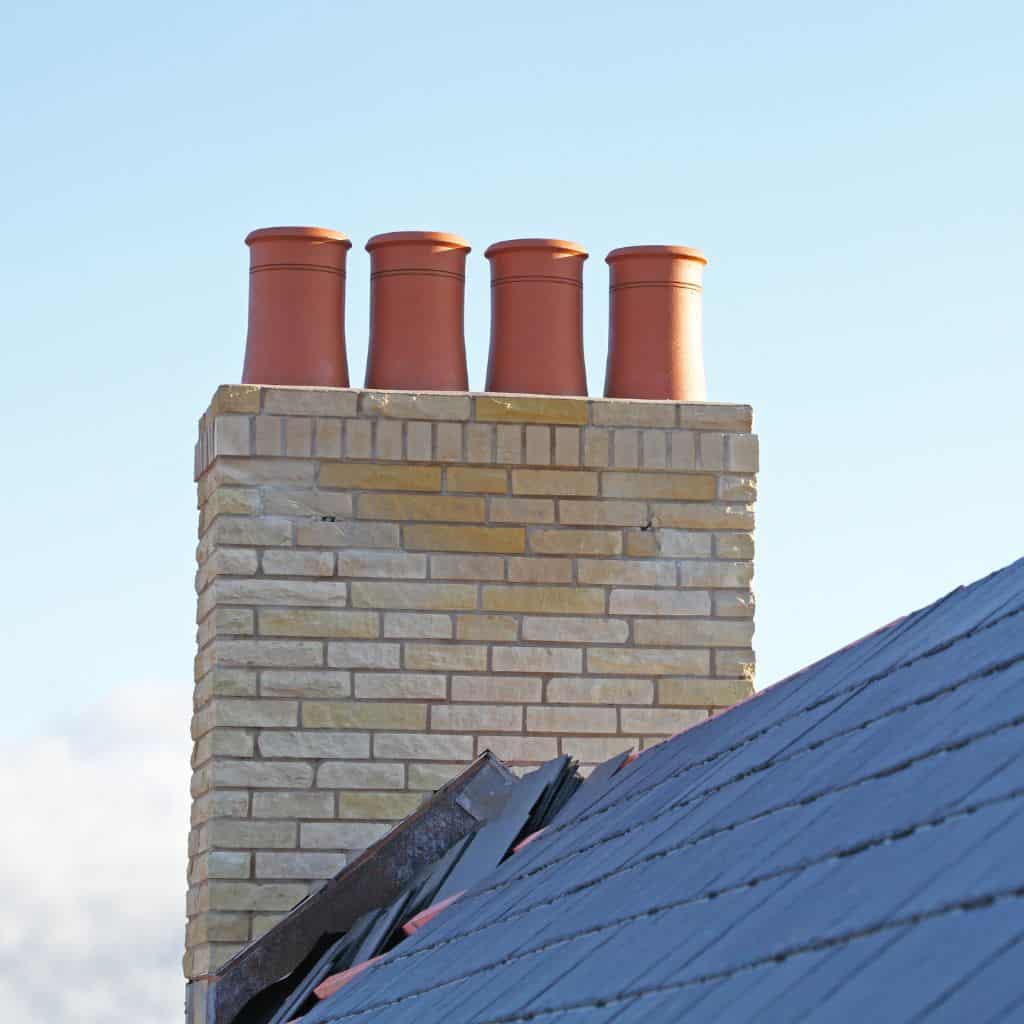
A chimney cap is a protective cover fitted above the flue opening that shields the stack from rain, debris and wildlife. Without one, water enters the masonry directly, animals find shelter in the flue, and the draw of your fire or stove is often compromised as a result.
C J Roofing & Renewables Ltd specialises in chimney cap installation and replacement across Hampshire. Each cap is selected to match the flue dimensions and fixing requirements of your particular chimney, then sealed to withstand the elements. All installations are covered by our 10-year workmanship guarantee.
Your written, itemised quote follows within 48 hours of the survey. Contact us at 07512976384 to arrange a free quote. We respond within 48 hours.
What are the signs your chimney needs a cap?
Daylight, debris, or damp stains around the flue are common indicators that a chimney cap is absent or no longer effective. Each of these signs points to an open or exposed stack allowing rain and debris to penetrate. Common indicators include:
Damp marks on the chimney breast
Damp patches on the chimney breast are often among the earliest signs that water is entering through an uncapped flue. Rain falling directly into the chimney stack seeps into the masonry, eventually appearing as staining, peeling paint, or a musty smell within the property. Over time, this moisture can damage plaster, weaken internal structures, and lead to considerably more costly repairs if it is not addressed.
Twigs, leaves, or feathers in the fireplace
The presence of debris such as twigs, leaves, or feathers inside your fireplace usually indicates that the chimney is open and unprotected. Wind carries some debris down the flue, but in most cases this is a sign that birds are attempting to build nests. Blockages caused by this material restrict airflow, increasing the risk of smoke backing up into your home.
Birds entering or nesting in the chimney
Bird activity around your chimney, including nesting or frequent entry, is a clear sign that a cap is missing or no longer effective. Chimneys provide a warm, sheltered space that attracts birds, particularly during nesting seasons. Once inside, nests can quickly block the flue, creating fire hazards and harmful ventilation problems. Removing established nests can be a complex undertaking requiring specialist intervention, which makes prevention through a correctly fitted chimney cap the most practical course of action.
Sooty water stains after heavy rain
Dark, sooty stains appearing in your fireplace after rainfall indicate that water is entering the chimney and mixing with soot deposits. This creates an acidic residue that stains internal surfaces and produces unpleasant odours. These stains are not merely cosmetic – they signal ongoing water ingress that can accelerate the deterioration of your chimney lining and internal components.
Visible deterioration of chimney masonry
Cracked, crumbling, or flaking brickwork on your chimney stack often results from prolonged exposure to the elements. Without a chimney cap, rainwater repeatedly soaks the masonry, leading to freeze-thaw damage during colder months. This cycle gradually breaks down mortar joints and bricks, compromising the structural integrity of the chimney and leading to more extensive chimney repair work if it is not addressed in good time.
Older structures often have uncovered chimneys that show the effects of years of exposure. If your chimney sweep notes soaked deposits or rust, the chimney is likely overdue for a cap.
If you have noticed any of these signs, contact us at 07512976384 to arrange an inspection.
How does a chimney cap stop water damage and animal entry?
A vented hood and mesh barrier are positioned above the flue, directing rain away from the masonry, preventing a chimney leak and blocking birds and small animals from entering the stack.
We install wire mesh with an aperture between 13mm and 25mm, which allows combustion gases to escape freely while keeping out wildlife. Without a hood in place, rain can damage liners and erode mortar joints, with the potential to cause damp problems that are particularly pronounced in older constructions.
What does our chimney cap installation process involve?
Our chimney cap installation follows a five-stage process: survey, access, preparation, fitting, and weather-sealing. Each project begins with a survey of the chimney carried out from a safe vantage point, assessing its condition and dimensions. The on-site stages are as follows:
Survey
Every installation begins with a detailed survey carried out from a safe vantage point. We measure the internal flue diameter to confirm the cap will fit correctly and assess the overall condition of the chimney stack, including any cracks, loose mortar, or signs of water ingress that could affect the installation. Photographs are taken at this stage to document the condition of the chimney before work begins and to support accurate quoting.
Access
Safe access is fundamental to a reliable installation. Depending on the height and position of the chimney, we use roof ladders with anchor straps, scaffold towers, or full scaffolding where the situation requires it. Each method is selected according to site conditions, roof pitch, and safety requirements. We explain the access approach in full during the survey so you understand exactly what is involved before work begins.
Preparation
Before fitting the chimney cap, we prepare the surface to ensure a secure and long-lasting installation. This involves cleaning the chimney rim, removing loose soot, debris, and any deteriorated material, and confirming a stable base for the cap. Where metal components are used, surfaces may be primed to improve adhesion and durability. Thorough preparation is essential to preventing future movement or failure of the cap.
Fitting
The chimney cap is then fitted using the most appropriate fixing method for the chimney type. This may include strap clamps for round flues, masonry bolts for square stacks, or friction-fit spigots for lined systems. Each cap is aligned and secured to withstand wind exposure and regular use, ensuring it remains firmly in place over time.
Weather-sealing
Once the cap is installed, we apply a weatherproof seal around the joint to prevent water ingress. Depending on the chimney construction, this may involve high-temperature silicone or traditional lime mortar. This final stage ensures the installation is fully sealed against the elements while allowing for proper ventilation and thermal movement.
What size and type of chimney cap do you need?
The appropriate chimney cap depends on flue diameter, fuel type, and the degree of weather exposure. We begin by measuring the internal flue diameter to establish the correct sizing. Fuel type also plays a role: open fires require a larger outlet to maintain adequate draw, while gas appliances need a specific terminal based on the manufacturer’s specifications.
The shape of the chimney determines the method of attachment:
- Round chimneys use strap clamps
- Square chimneys use corner-bolted hoods
- Lined flues use internal spigots
Exposed chimneys may require a deeper deflector to handle wind-driven rain. We take all of these factors into account before providing a quote, as a cap that has not been properly surveyed is liable to fail prematurely.
How does a chimney cap improve safety and efficiency?
A chimney cap contributes to both the safety and efficiency of your chimney system. By protecting the flue from external elements and helping to regulate airflow, it enables your fireplace or stove to operate more reliably while reducing the common risks associated with open chimneys.
Preventing downdraughts
A chimney cap helps to reduce downdraughts by stabilising airflow at the top of the flue. Strong winds can force air back down an open chimney, pushing smoke and fumes into the room. A correctly fitted cap deflects wind away from the opening, allowing smoke to exit as intended and improving the overall performance of the fireplace.
Keeping the flue dry
One of the most important functions of a chimney cap is preventing rain from entering the flue. Moisture inside the chimney soaks soot deposits and liners, leading to unpleasant odours and internal damp. By keeping the flue dry, a cap protects the chimney structure and helps maintain a healthier indoor environment.
Improving chimney draw
A dry, protected flue allows gases to rise more efficiently. When moisture cools the air inside the chimney, it slows the upward movement of smoke, reducing draw and causing poor combustion. Installing a cap helps maintain consistent temperatures within the flue, supporting a stronger and more reliable draw.
Enhancing fuel efficiency
With improved airflow and reduced moisture, your fire burns more cleanly and efficiently, which means better heat output and less wasted fuel. Whether you use an open fire or a stove, a properly functioning chimney system helps you make the most of your heating while reducing smoke-related problems.
Reducing fire risk from sparks
Chimney caps fitted with wire mesh act as spark arrestors, preventing hot embers from escaping onto the roof or surrounding areas. This is particularly important on properties with wood-burning fires, where stray sparks present a genuine fire risk. By containing embers within the flue, a chimney cap provides an additional layer of protection and can help reduce the likelihood of fire-related damage.
Why Choose C J Roofing & Renewables Ltd for Chimney Cap Installation in Hampshire?
Over 15 years of experience
Connor and Jack bring over 15 years of combined hands-on roofing experience, delivering everything from small domestic repairs to large-scale commercial projects across Hampshire.

Locally based in Hampshire
Based in Portsmouth with deep local roots, we understand Hampshire's homes, weather and building styles, which allows us to deliver roofing work that lasts.
5-star rated service
We are proud to be rated 5 stars on Google by our customers, reflecting the quality of our workmanship and our commitment to reliable, professional service.
Competent & highly trained team
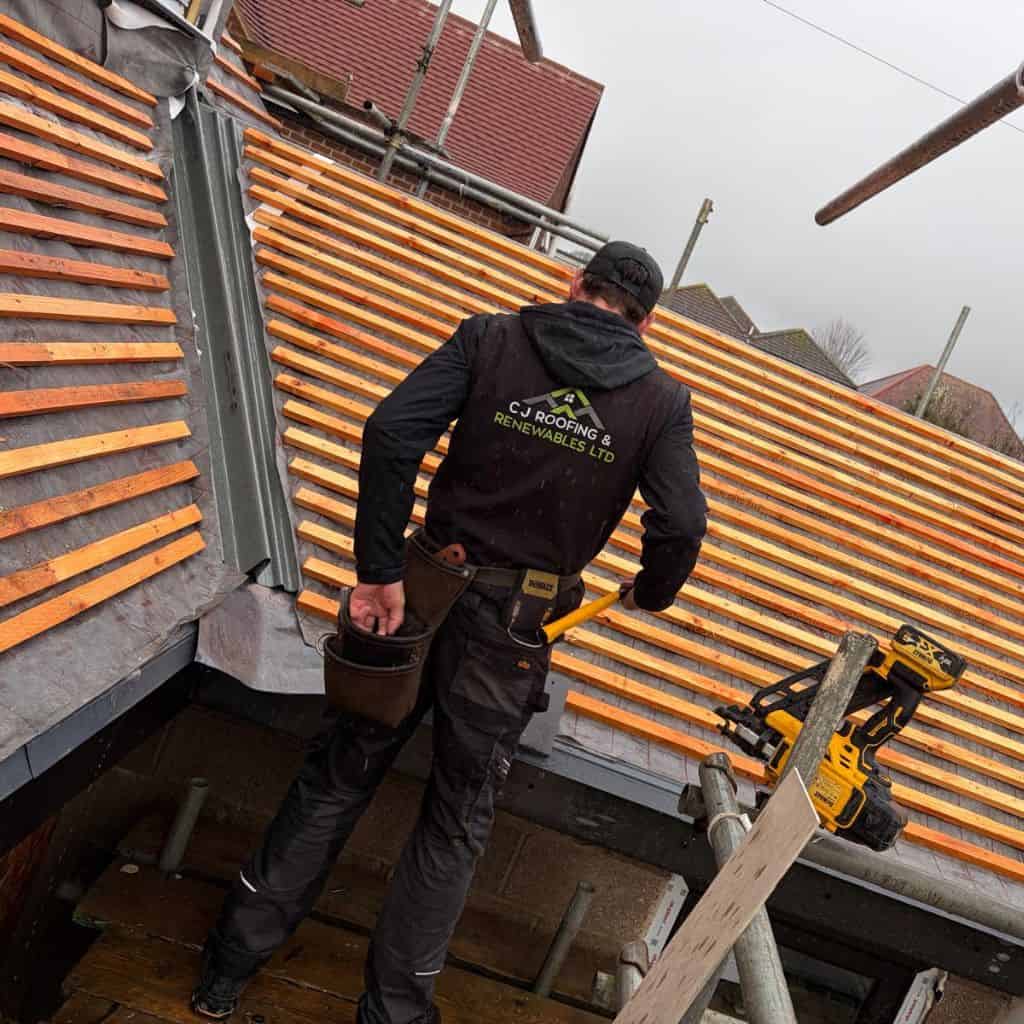
Our team is fully trained and certified in asbestos awareness, working at height and manual handling, ensuring every project is carried out safely and to industry standards.
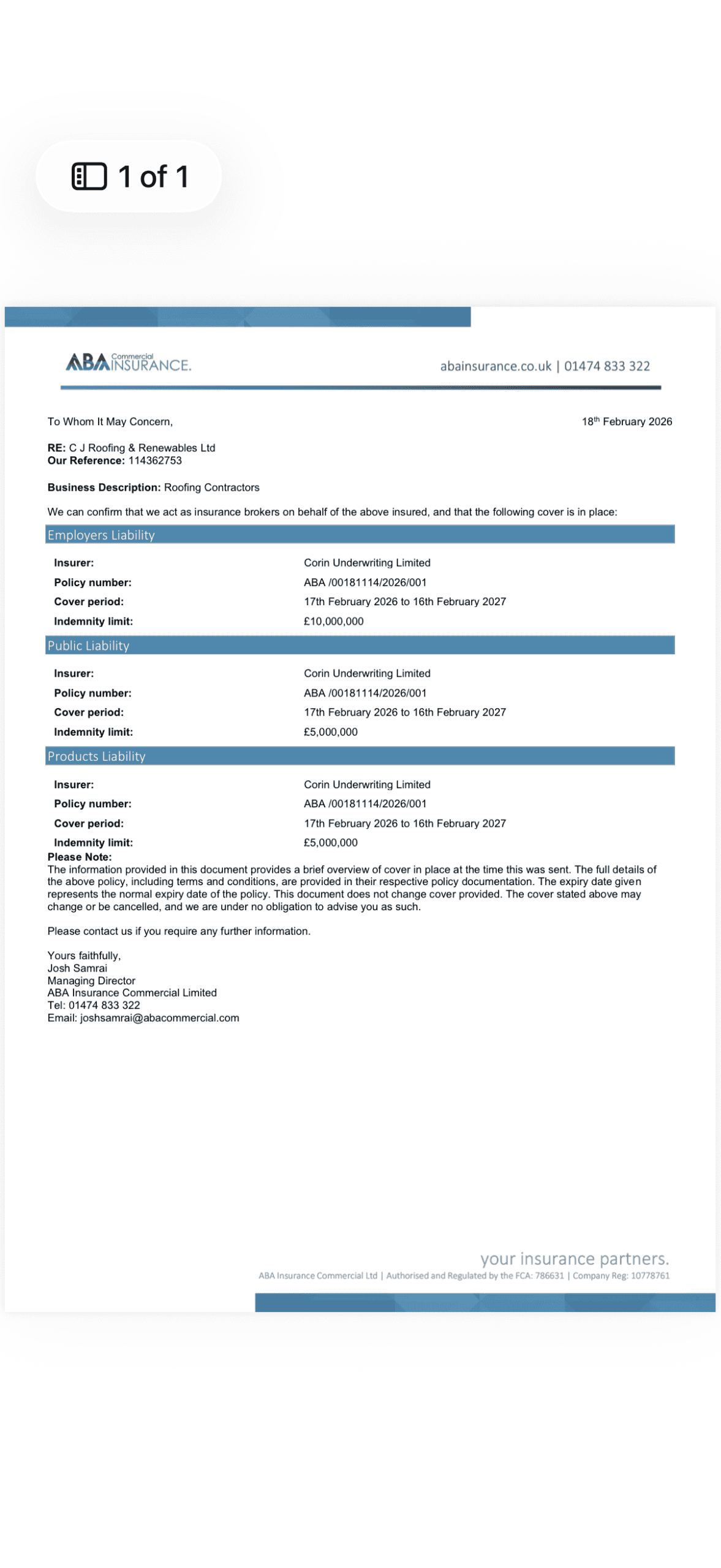
£5 million public liability insurance
We carry up to £5 million in public liability insurance, giving you complete peace of mind that your property is fully protected while we work.
10 year workmanship guarantee
All new roof installations and replacements come with a 10-year workmanship guarantee, so you are covered in the unlikely event of any issues.






Frequently asked questions
Take a look at the Frequently Asked Questions regarding our Chimney Cap Installation service.
Does chimney cap installation always need scaffolding?
Scaffolding is only required when the chimney height, roof pitch, or site conditions make it necessary. On lower structures, we can work safely from a roof ladder with anchor straps and complete the job the same day. Medium-height structures often allow the use of a scaffold tower, providing adequate access without the need for full scaffolding.
Three scenarios that typically require scaffolding are:
- Steep roofs
- Tall structures
- Chimneys located deep within a roof valley
We specify the access method during the survey, with associated costs itemised separately.
Are stainless steel caps right for coastal areas?
Yes. For coastal installations we use 316-grade marine stainless steel. Salt-laden air degrades other materials rapidly: galvanised covers can rust within a few years, while powder-coated steel is susceptible to chipping and subsequent corrosion. Grade 316 stainless contains molybdenum, which resists corrosion and maintains its finish over decades in marine environments.
What is different about caps for multi-flue chimneys?
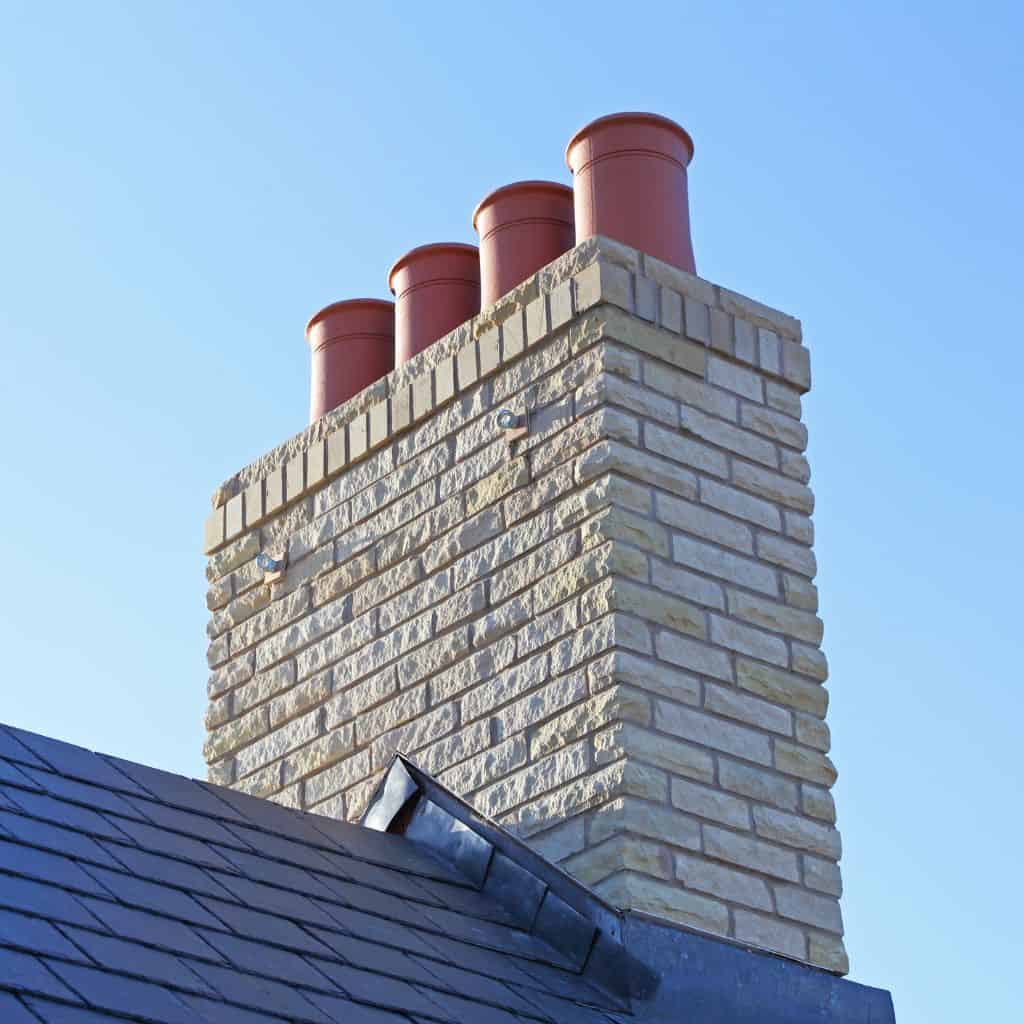
Multi-flue chimneys require a separate cap for each flue. Each flue must remain distinct to ensure proper ventilation and to prevent cross-ventilation between appliances. Single chimneys accept a single cap, but multi-flue configurations (which are common in Hampshire’s older terraced and Victorian properties) require individual caps.
Custom covers can be used to protect the entire chimney stack while allowing each flue to vent independently.
Can a chimney cap affect your home insurance?
A chimney cap can have a positive bearing on home insurance, as a capped chimney presents a lower risk profile than an open one. Some policies require annual sweeping, and properties with specific fire risks may need spark-arresting covers to remain compliant.
After installation, we provide written confirmation and dated photographs for your insurance records, which can support any future claims. Surveyors may note uncapped chimneys as a defect, and mortgage lenders can require the matter to be resolved before approving a loan.
What maintenance does a chimney cap need?
A chimney cap requires an annual visual inspection and periodic mesh cleaning. Cleaning intervals typically range from 12 to 24 months, depending on how quickly soot and debris accumulate and begin to obstruct the mesh.
After storms, caps may shift or become loose, and any associated damage to the stack or mortar should be inspected at the same time.