Chimney Removal Hampshire
Chimney Removal Services in Hampshire
Chimney removal involves dismantling an unused chimney stack and reinstating the roof so it is fully weathertight, eliminating unnecessary weight on the structure and creating additional space within the loft. The quality of the roof reinstatement is the most important element of the process and should be a central consideration for any chimney removal project.
C J Roofing & Renewables Ltd carries out chimney stack removal across Hampshire. We dismantle the stack to the agreed point, then tile, batten and felt the opening so it integrates with the existing roof. Our 10-year workmanship guarantee covers the roof reinstatement that follows the removal, as that element constitutes a new installation. The removal work itself, as repair-category work, is not covered by the guarantee.
Your written, itemised quote follows within 48 hours of the survey. Contact us at 07512976384 for a free quote. We respond within 48 hours.
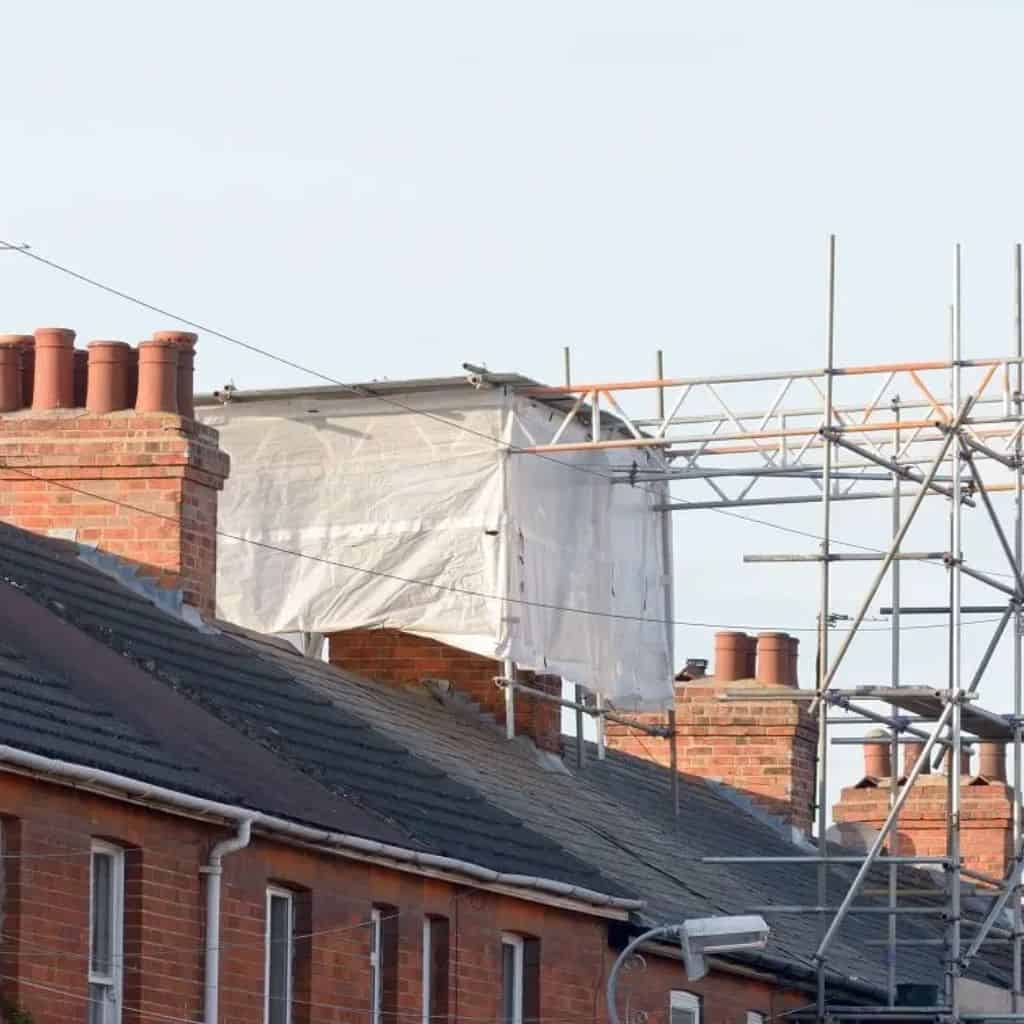
What are the signs your chimney is ready for removal?
A redundant flue, a leaning stack, or a damp chimney breast each point towards removal being a more practical course of action than rebuilding. These conditions suggest that the chimney has reached the end of its serviceable life.
Common indicators include:
A flue unused for 10 years or more
A flue that has not been in use for a decade or longer is often a strong candidate for removal. Where there are no plans to reinstate gas, oil or wood-burning appliances, the stack serves no functional purpose.
Leaving a redundant stack in place still exposes the roof to potential leaks and structural deterioration. Removal eliminates these risks entirely and can free up useful space within the loft.
A chimney stack that leans noticeably from ground level
A chimney stack that visibly leans from ground level indicates structural movement that may not be practical to repair. Where the stack is already out of alignment, removal is often more cost-effective than a full chimney rebuild.
A leaning stack also presents a safety hazard, particularly during storms. Removing it eliminates the risk of falling bricks and prevents further damage to the roof and surrounding property.
Brown tide marks visible on the chimney breast indoors
Brown tide marks on the internal chimney breast indicate that water is already penetrating the stack and affecting the interior finish. This is a clear sign that the weatherproofing has failed.
Where damp is present alongside visible external decay, removal may offer a better long-term outcome than repeated chimney repair work, as it closes off the moisture path entirely.
Spalled brick faces and pink-orange dust beneath the stack
Spalling brick faces and pink-orange dust beneath the stack indicate that the outer layer of the brickwork is breaking down as a result of moisture absorption and freeze-thaw cycles. This type of deterioration weakens the entire stack progressively.
Where spalling is widespread, the chimney may be beyond practical repair. Removal eliminates the weakened structure and prevents further decay from affecting the surrounding roof.
Cracks in the chimney pot or broken flaunching above the roofline
Cracked pots or broken flaunching above the roofline are signs of advanced wear and storm damage. These defects allow water to enter the flue and deteriorate the stack from the top downward.
Where the surrounding brickwork is also compromised, removal is often more practical than replacing the pot and flaunching, as it addresses the entire problem in a single operation.
Where a flue is no longer needed, removal is typically the more advantageous course of action. It improves the roof’s overall appearance and can increase the usable space within the loft.
For personalised advice on the right option for your property, call us at 07512976384.
How does chimney removal protect your home?
Chimney removal protects your home by eliminating excess weight from the roof structure and closing off the moisture ingress paths that a deteriorating stack creates.
Removing the chimney stack relieves stress on the roof and prevents the party wall from bearing unnecessary loads over time.
Removal also eliminates the conditions that lead to lifted flashing and cracked flaunching, and removes the risk of storm-damaged pots falling into the garden. The moisture pathway that runs through a failing stack is closed off completely.
We ensure that the roof opening is sealed with matching tiles or slates sourced from salvage stock, and the space within the loft is freed for potential future use.
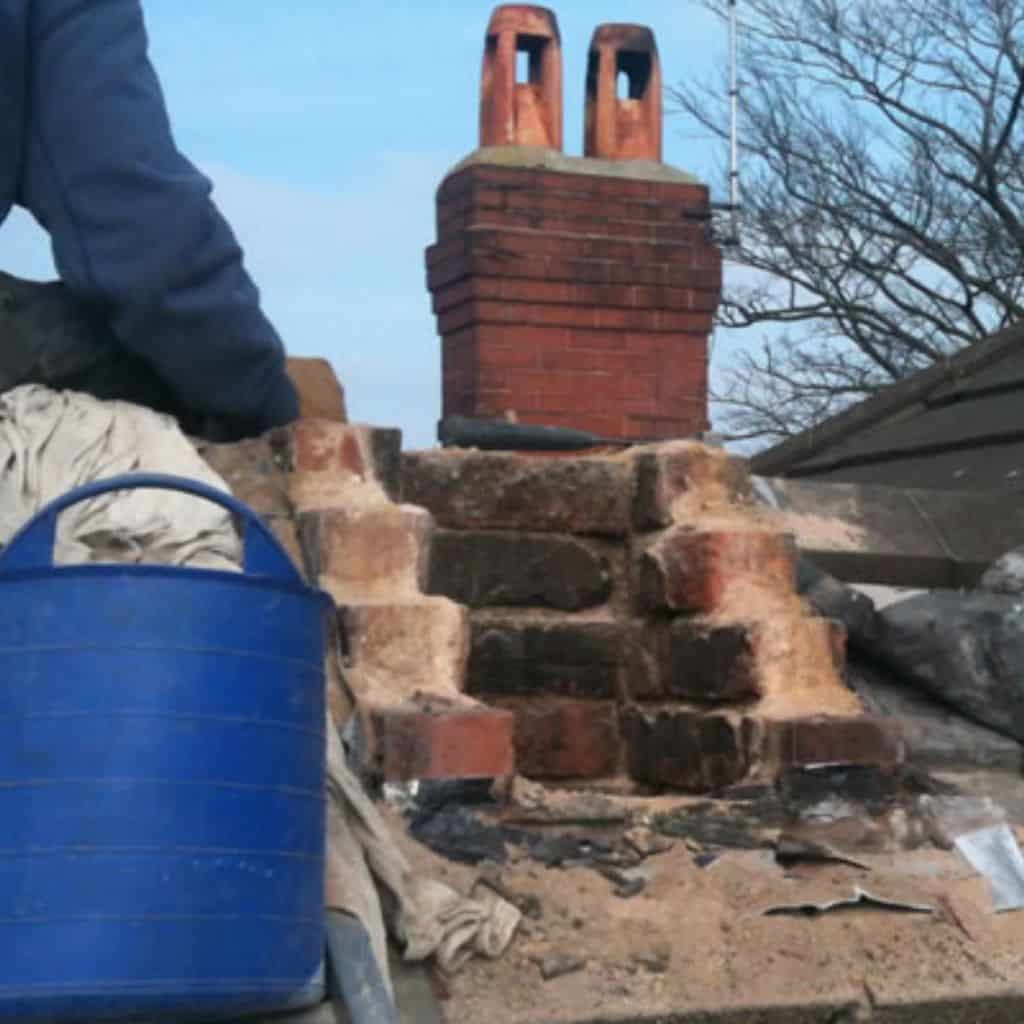
What does our chimney removal process involve?
Our chimney removal process follows five stages: survey, scaffold, propping, dismantle and roof reinstatement. Each project begins with a structural engineer’s assessment of the loads previously carried by the chimney stack.
Our on-site process includes:
Survey: document load paths, pot heights and roof details
We begin with a structural survey to document load paths, pot heights, flue count and the roof bond. A structural engineer assesses the loads that were previously supported by the stack.
This information is essential for determining the correct structural support and for planning the removal safely before work begins.
Scaffold: install a boarded lift to ridge level
We erect scaffolding with a boarded lift reaching ridge level to provide safe working access for the dismantling operation. This platform supports brick removal and controlled debris disposal.
Scaffold requirements comply with HSE Working at Height Regulations and are set out clearly within the written quotation.
Propping: support the chimney breast where required
Where the chimney breast previously supported upper floor joists, we install temporary or permanent propping to maintain structural stability throughout the removal. A structural engineer specifies the support required.
This stage is critical on properties where the stack is load-bearing, particularly in terraced and semi-detached houses.
Dismantle: carefully remove bricks from top to bottom
The stack is carefully dismantled from the top downward, with debris removed by skip at ground level. Bricks are taken down methodically to avoid causing damage to the surrounding roof covering.
This controlled approach minimises risk and ensures the roof structure remains intact throughout the removal.
Reinstatement: trim rafters, lay membrane, batten and tile
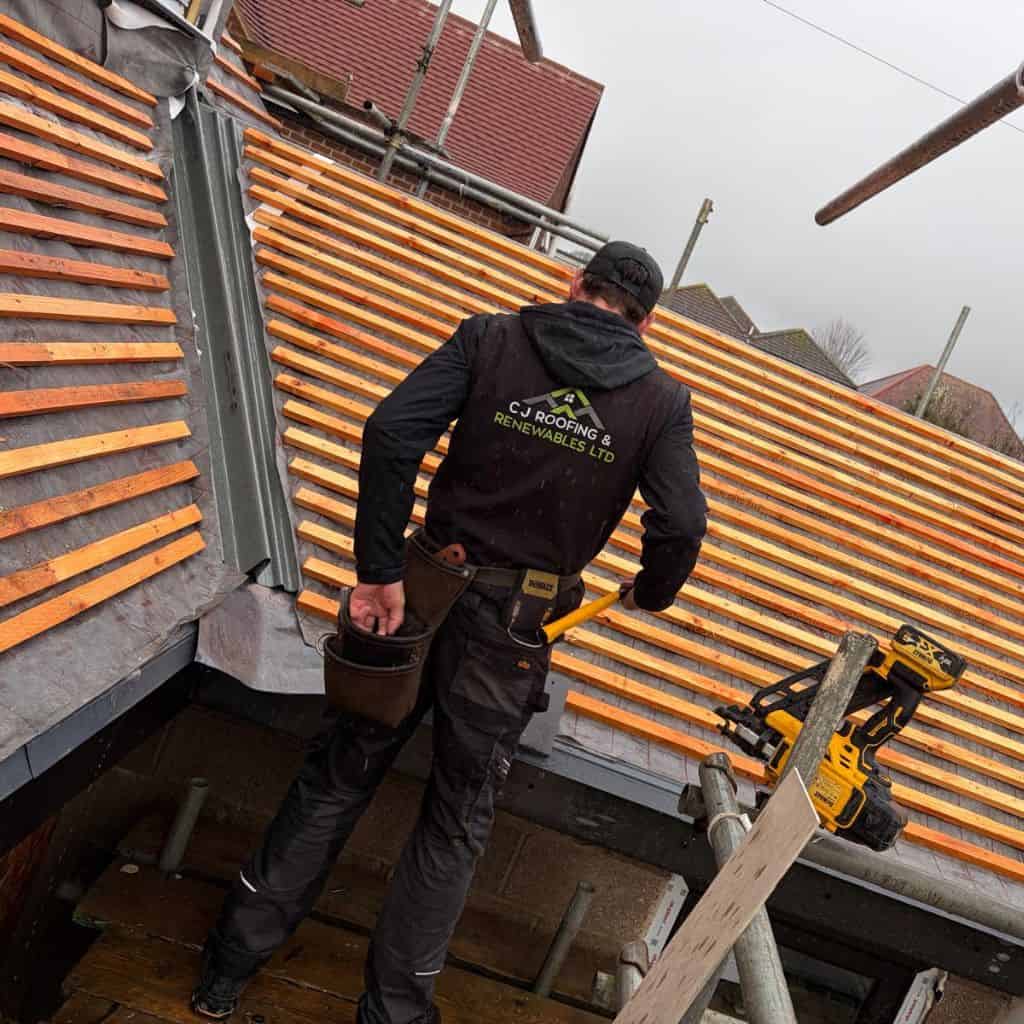
The roof is reinstated by trimming rafters, installing breathable membrane, treated battens and matching tiles or slates. New rafters are custom-cut to match the existing pitch and secured with joist hangers.
The work is designed to integrate with the existing roof without visible patches from street level, with salvage tiles used where possible to match weathered stock. Lead is dressed at any remaining abutments, and the reinstatement is backed by a 10-year workmanship guarantee.
What does the roof reinstatement involve after chimney removal?
Roof reinstatement after chimney removal includes installing new rafters, breathable membrane, treated battens and matching tiles or slates. The work is designed to integrate with the existing roof so no visible patches are apparent from street level.
New rafters are custom-cut to match the existing roof pitch, new timbers are secured to doubled trimmers using joist hangers, and rigid insulation is fitted between rafters to maintain thermal continuity.
The membrane overlaps the existing felt at the standard overlap, with butyl tape sealing every joint against wind-driven rain. Treated battens are fixed to counter-battens at the same gauge as the rest of the roof.
We source tiles from salvage yards to match weathered stock, as these integrate with older roofs more effectively than new tiles. Any remaining abutments are dressed with code 4 or code 5 lead.
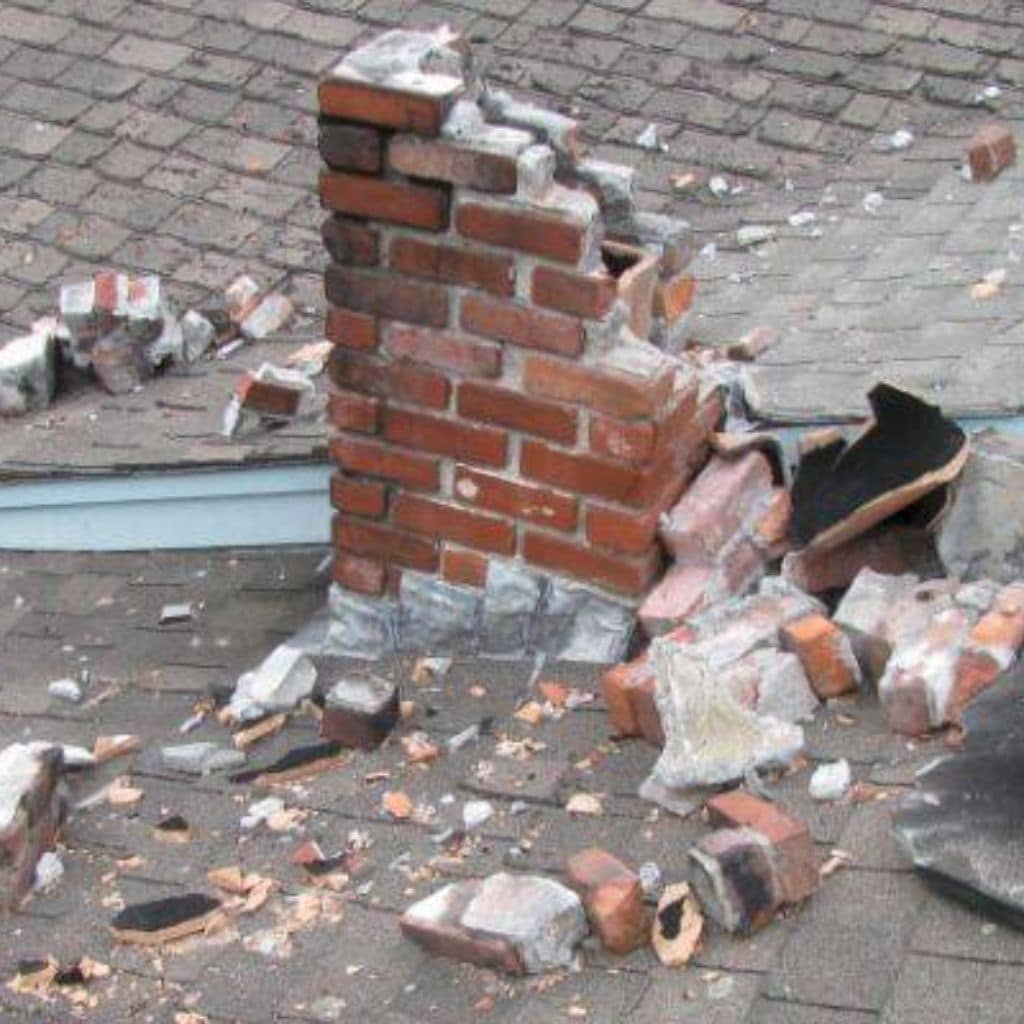
Why does proper chimney removal protect long-term value?
Properly documented chimney removal safeguards long-term property value by eliminating potential defects that might otherwise be flagged in future surveys. Full documentation – including the building control certificate, structural calculations and dated photographs – is organised and available for future buyers.
Insurance companies recognise documented work and maintain coverage once the necessary certificate has been filed. Unreported alterations can void coverage and complicate future mortgage applications.
Removal of the chimney breast can also increase usable floor space, opening up possibilities for loft conversion or the expansion of existing rooms.
Why Choose C J Roofing & Renewables Ltd for Chimney Removal in Hampshire?
Over 15 years of experience
Connor and Jack bring over 15 years of combined hands-on roofing experience, delivering everything from small domestic repairs to large-scale commercial projects across Hampshire.

Locally based in Hampshire
Based in Portsmouth with deep local roots, we understand Hampshire's homes, weather and building styles, which allows us to deliver roofing work that lasts.
5-star rated service
We are proud to be rated 5 stars on Google by our customers, reflecting the quality of our workmanship and our commitment to reliable, professional service.
Competent & highly trained team
Our team is fully trained and certified in asbestos awareness, working at height and manual handling, ensuring every project is carried out safely and to industry standards.
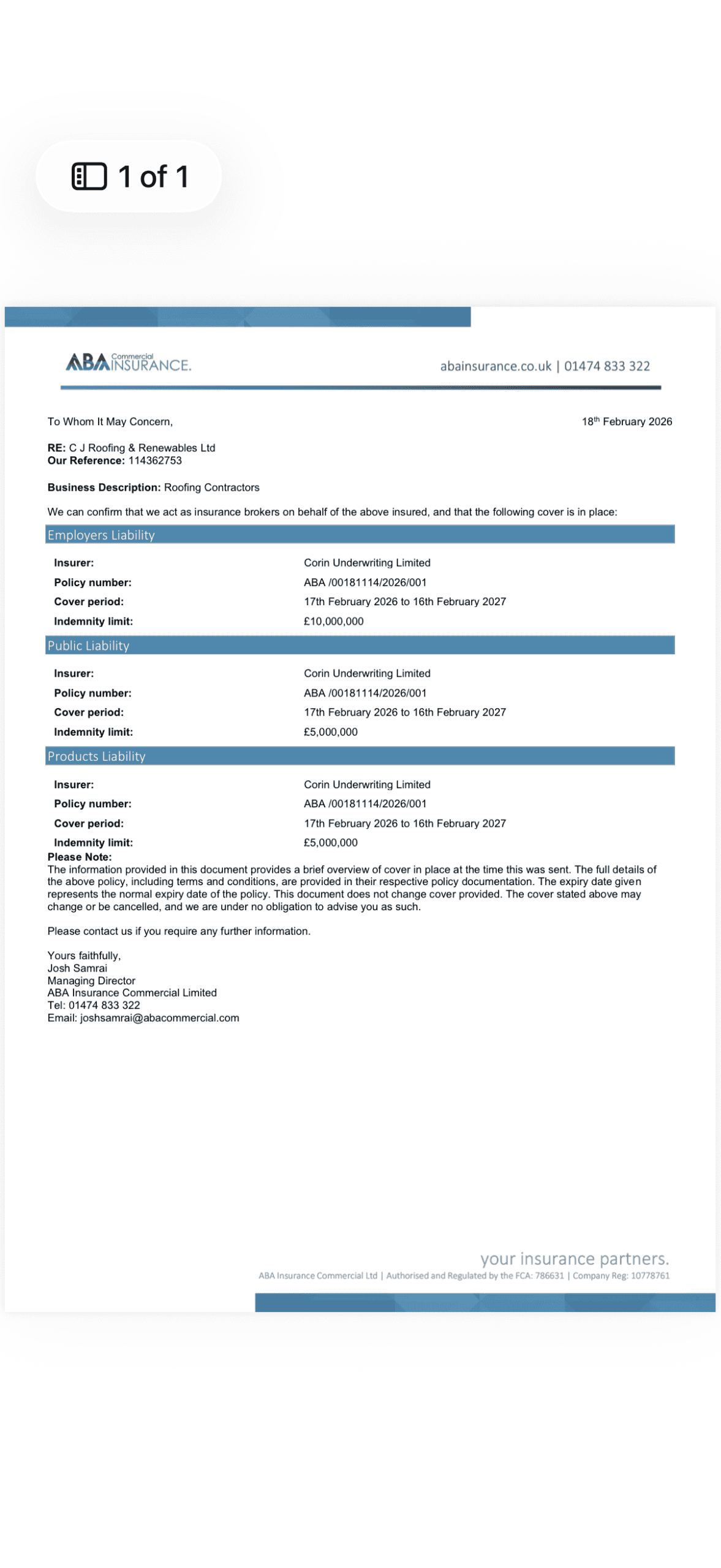
£5 million public liability insurance
We carry up to £5 million in public liability insurance, giving you complete peace of mind that your property is fully protected while we work.
10 year workmanship guarantee
All new roof installations and replacements come with a 10-year workmanship guarantee, so you are covered in the unlikely event of any issues.






Frequently asked questions
Take a look at the Frequently Asked Questions regarding our Chimney Removal service.
Does chimney removal need building regulations approval?
Yes, chimney removal requires building regulations approval where it affects the structure or party walls. Parts A, J and L of the regulations apply to most homes.
The Party Wall Act 1996 requires a two-month written notice to neighbours where the chimney stack sits on a shared wall. We assist in drafting the schedule of condition before work commences.
What structural support replaces the removed chimney stack?
Structural support for a removed chimney stack typically takes the form of a steel goalpost, galleted brick infill, or timber ladder beam. A structural engineer specifies the appropriate solution based on the loads previously carried by the stack.
Steel beams are placed on concrete padstones over engineering brick, with joist hangers supporting the trimmer ends into the new beam.
Listed properties often require galleted brickwork in lime mortar, with conservation officers reviewing the specifications before work begins.
How long does chimney removal take?
Chimney removal typically takes several days for a standard Hampshire terrace.
Complete breast removal across three floors requires additional time for propping, plaster repairs and floorboard reinstatement at each level.
Work on listed buildings may extend beyond this owing to conservation conditions on mortar mixes, which add to the base programme.
Does chimney removal affect home insurance?
Chimney removal affects home insurance only where the work is unreported or undocumented. Most Hampshire insurers maintain coverage once the building control certificate has been registered.
Unreported alterations can void coverage and lead to claim denials. Undocumented work carried out by previous owners may also become an issue during future claims or property sales.
Will chimney removal increase property value?
Chimney removal can enhance property value on homes where the stack offers no architectural character or practical utility. A documented removal removes a known repair liability from future surveys.
Estate agents often note chimney conditions during valuations. Leaning or spalled stacks are frequently recorded as defects, and a well-executed removal addresses these concerns directly.
On period homes in heritage areas, however, preserving original features may be preferable, and a rebuild might serve the property better in those circumstances.