Single-Ply Roofing Hampshire
Single-Ply Roofing Services in Hampshire
Single-ply roofing membranes are well suited to flat roofs that require clean lines and long-term durability. The overlapping joints are hot-air welded to form a bond stronger than the sheet itself, producing a sharp, continuous finish with a service life of 25 to 40 years.
C J Roofing & Renewables Ltd specialises in the installation of single-ply roofing across Hampshire. Our service covers measuring and cutting the membrane to the deck, welding every lap, and detailing each upstand – all backed by a 10-year workmanship guarantee.
Your written, itemised quote follows within 48 hours of the survey. For a free quote, contact us at 07512976384. We respond within 48 hours.
When is a single-ply membrane the right choice?
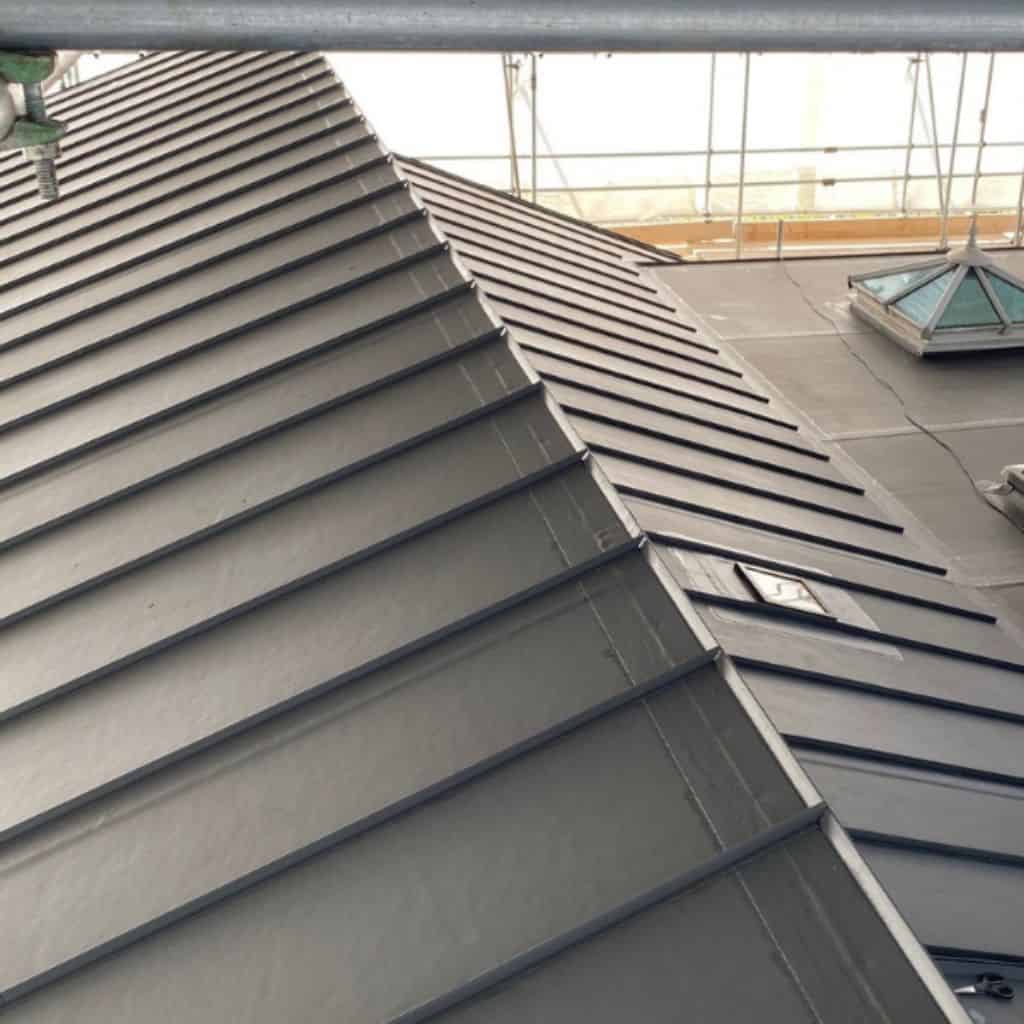
A single-ply membrane is particularly well suited to flat roof installation on larger surface areas, projects where aesthetics matter, or installations requiring a service life of more than 25 years. TPO and PVC sheets are especially appropriate for extensive surfaces.
Consider a single-ply roofing installation if you notice:
A failing felt roof in need of long-life replacement
When the bitumen layers of a felt roof have reached the end of their 15 to 25 year lifespan, replacement with a longer-lasting system becomes the practical choice. Felt rolls also create a high number of seams across large surfaces, and each seam is a potential failure point over time.
With single-ply roofing, the seams are hot-air welded so that the joint itself is stronger than the surrounding sheet. This makes single-ply the appropriate choice for flat roofs where durability and a lifespan exceeding 25 years are the priorities.
A design calling for a clean grey or white finish
Where the design requires a smooth, contemporary appearance, single-ply’s clean lines and consistent surface provide an attractive result. TPO membranes are particularly reflective and help to keep interior spaces cooler, while PVC is available in a wide range of colours.
Single-ply roofing is well suited to flat roofs where both aesthetics and durability are important. The membrane delivers a precise finish that lasts between 25 and 40 years, making it appropriate for projects where appearance is a key consideration.
A large flat roof area exceeding typical domestic scale
An extensive flat roof area benefits from single-ply’s ability to be welded into one continuous sheet, eliminating the number of seams that felt would require across the same expanse. EPDM is better suited to smaller areas, whereas TPO and PVC are particularly appropriate for larger surfaces.
We achieve a seamless finish by welding the membrane into a single continuous sheet over the full area. The hot-air welds fuse the sheets completely; when tested under load, the sheet material itself is more likely to tear than the weld to fail.
A walkable surface on a balcony or terrace
A balcony or terrace requires a membrane that can withstand regular foot traffic alongside sustained weather exposure. Single-ply roofing is suitable for these walkable areas, where a tough, weather-resistant surface is essential.
The construction is engineered to accommodate the significant temperature variations that occur throughout the year, expanding and contracting without damage. Three factors underpin long-term performance: seam quality, fall design, and detail work at all pre-formed corners.
A roof with a complex shape and multiple penetrations
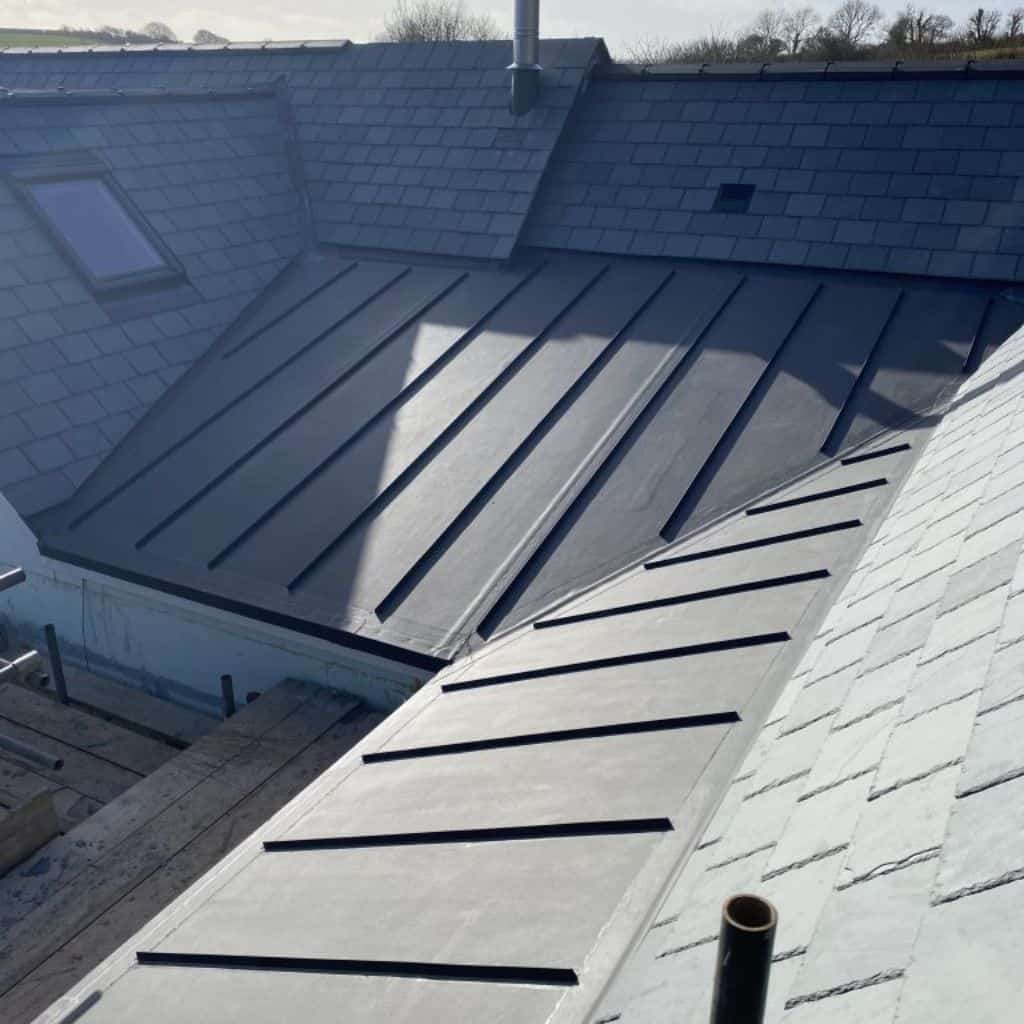
A roof with an irregular profile or a high number of penetrations benefits from single-ply’s capacity to be tailored and welded around every obstacle. Complex detailing is achieved using pre-formed corner pieces and pipe collars, each welded directly to the main sheet.
Upstands are taken at least 150mm above the finished membrane, and wall edges are secured with termination bars. Junctions involving multiple upstands are formed in careful stages, with no reliance on temporary or provisional fixes at any point.
Felt rolls produce excessive seams across large surfaces, whereas EPDM is better suited to smaller areas. We achieve a seamless result by welding the single-ply membrane into one continuous sheet over the full area.
If your flat roof is in need of refurbishment, contact us at 07512976384. We respond within 48 hours.
What are single-ply roofing systems?
Single-ply roofing consists of a synthetic membrane bonded directly to the roof deck. Each seam is hot-air welded for complete fusion, with TPO, PVC, and EPDM being the primary types within the single-ply category.
The sheets, which come in 1.5 to 2 metre rolls, are rolled out and secured with adhesive or mechanical fixings. Each overlap is then welded with a hot-air gun to fuse the sheets into a single unit. When tested under load, the sheet material is more likely to tear beside the seam than the weld is to give way.
There are three main single-ply roofing materials:
- TPO: lightweight, reflective, weldable, recyclable
- PVC: durable, fire-resistant, available in various colours
- EPDM: a rubber material, typically bonded rather than welded
Each system has specific requirements for primers, weld temperatures, and detail kits, so we maintain consistency in material choice throughout each project.
What does the process for installing single-ply roofing involve?
Our installation process for single-ply roofing follows five stages: survey, deck preparation, insulation, membrane application, and welding and testing.
Our on-site process includes:
Survey: measure the deck, record moisture levels, photograph upstands and outlets
We begin by measuring the deck, recording moisture levels with probes, and photographing all upstands and outlets. Different single-ply materials carry specific moisture tolerances, and thorough deck checks at this stage confirm that the substrate is ready before installation proceeds.
Deck checks include moisture probes, flex tests, and fastener pull-out checks. Any deficiencies with boards, moisture readings, or fixings are resolved before the membrane is laid.
Deck preparation: remove the old covering, replace soft boards, clean and prime
The old covering is stripped back, any soft or damaged boards are replaced, and the surface is cleaned and primed. A single-ply membrane requires a clean, dry, and contaminant-free substrate for reliable adhesion, as residues of any kind can impede bonding.
Common contaminants include bitumen, silicone, paint overspray, fungal growth, oily dust, and mortar traces. The deck is wiped thoroughly to remove all residues, and the process is repeated where necessary before priming begins.
Insulation: lay tapered PIR for fall and secure in the correct pattern
Tapered PIR insulation is laid to create the required fall and secured in the manufacturer-specified pattern. A minimum 1:80 fall is required to prevent ponding stress, and falls are verified using precision tools including laser levels at 1-metre intervals.
The insulation pattern is designed to direct water from the high point to the outlet. A properly constructed flat roof should shed water within 30 minutes of rainfall stopping, with no standing puddle exceeding 5mm in depth.
Membrane application: roll out sheets, secure, and dress into trims
The sheets are rolled out, secured with adhesive or mechanical fixings, and dressed carefully into all trims. Sheets arrive in 1.5 to 2 metre rolls and are fixed according to the exposure category and wind uplift requirements for the site.
Edges are anchored against wind uplift using mechanical fixings, ballast, or adhesive bonding and secured tightly to withstand severe weather conditions, including high winds.
Welding and testing: hot-air weld seams, probe test, flood test
Each seam is hot-air welded using a hot-air gun to fuse the sheets into a single unit, then assessed with a seam probe and a visual inspection. Every welded seam is probe-tested, visually checked, and documented with a photograph.
A sound weld will resist the probe; a weak weld may allow the probe to enter the joint, and any such issues are addressed immediately with the hot-air gun. A detailed test report is provided to you before the final invoice is issued.
How do you choose between TPO, PVC, and EPDM for single-ply roofing?
Selecting the appropriate single-ply material depends on factors including roof size, fire specifications, colour requirements, and environmental exposure. Each material is suited to different applications.
We often specify TPO for its reflective properties, which help to keep interior spaces cooler. PVC is the preferred choice for roofs requiring particular fire ratings or specific colours, while EPDM performs well on smaller areas where bonded rubber is more effective than welded seams.
The selection is guided by:
- Size: TPO and PVC are suited to large surfaces
- Fire resistance: PVC offers superior fire ratings
- Colour options: PVC provides a wide range of colours
Our survey will determine the most suitable material for your roof.
How long does a single-ply roofing system last?
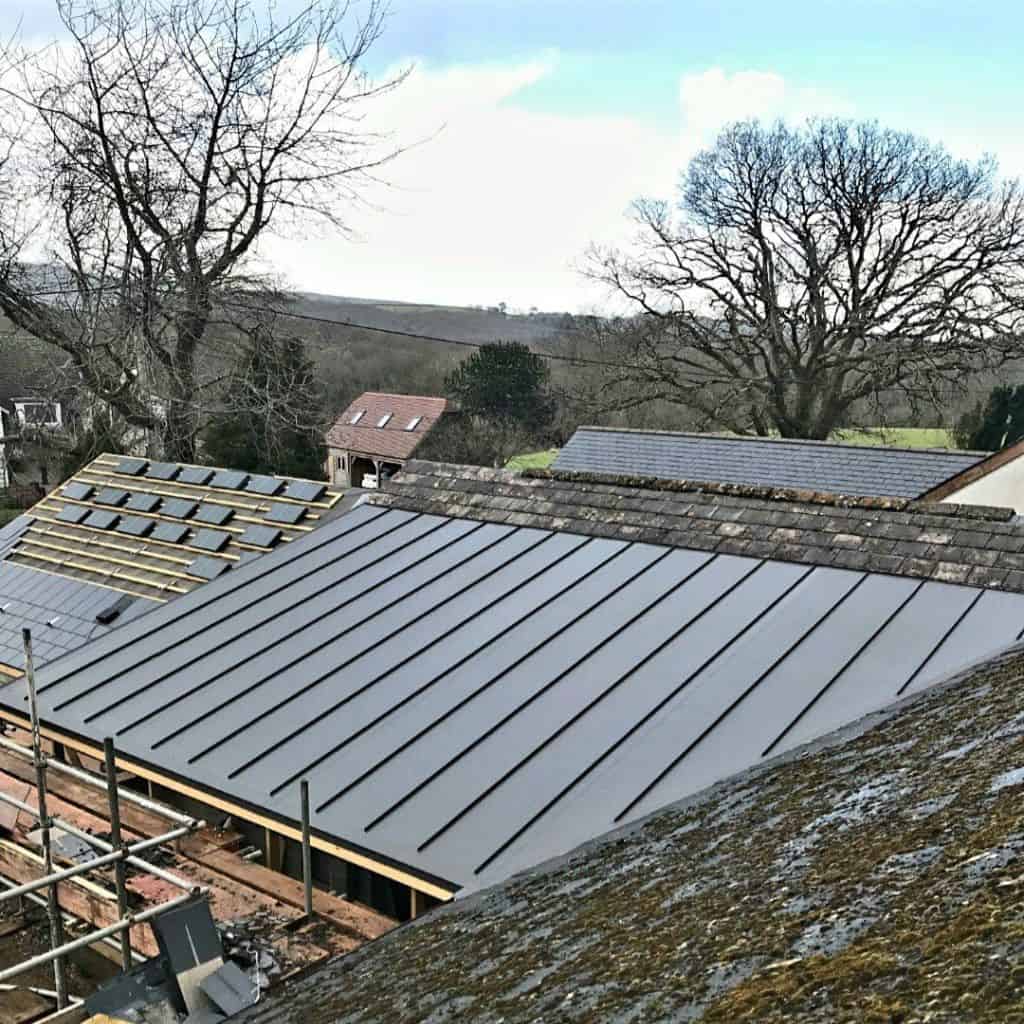
Single-ply roofs can last between 25 and 40 years, owing to UV-stable sheets and the integrity of the welded seams.
Three factors contribute to the longevity of a single-ply roof:
- Seam quality: hot-air welds fuse sheets into a single unit
- Fall design: a minimum 1:80 fall prevents ponding stress
- Detail work: pre-formed corners and welded collars at every penetration
The roof is designed to accommodate the significant temperature variations that occur throughout the year, expanding and contracting without damage to the membrane or its joints.
Our installations come with a 10-year workmanship guarantee.
Why Choose C J Roofing & Renewables Ltd for Single-Ply Roofing in Hampshire?
Over 15 years of experience
Connor and Jack bring over 15 years of combined hands-on roofing experience, delivering everything from small domestic repairs to large-scale commercial projects across Hampshire.

Locally based in Hampshire
Based in Portsmouth with deep local roots, we understand Hampshire's homes, weather and building styles, which allows us to deliver roofing work that lasts.
5-star rated service
We are proud to be rated 5 stars on Google by our customers, reflecting the quality of our workmanship and our commitment to reliable, professional service.
Competent & highly trained team
Our team is fully trained and certified in asbestos awareness, working at height and manual handling, ensuring every project is carried out safely and to industry standards.
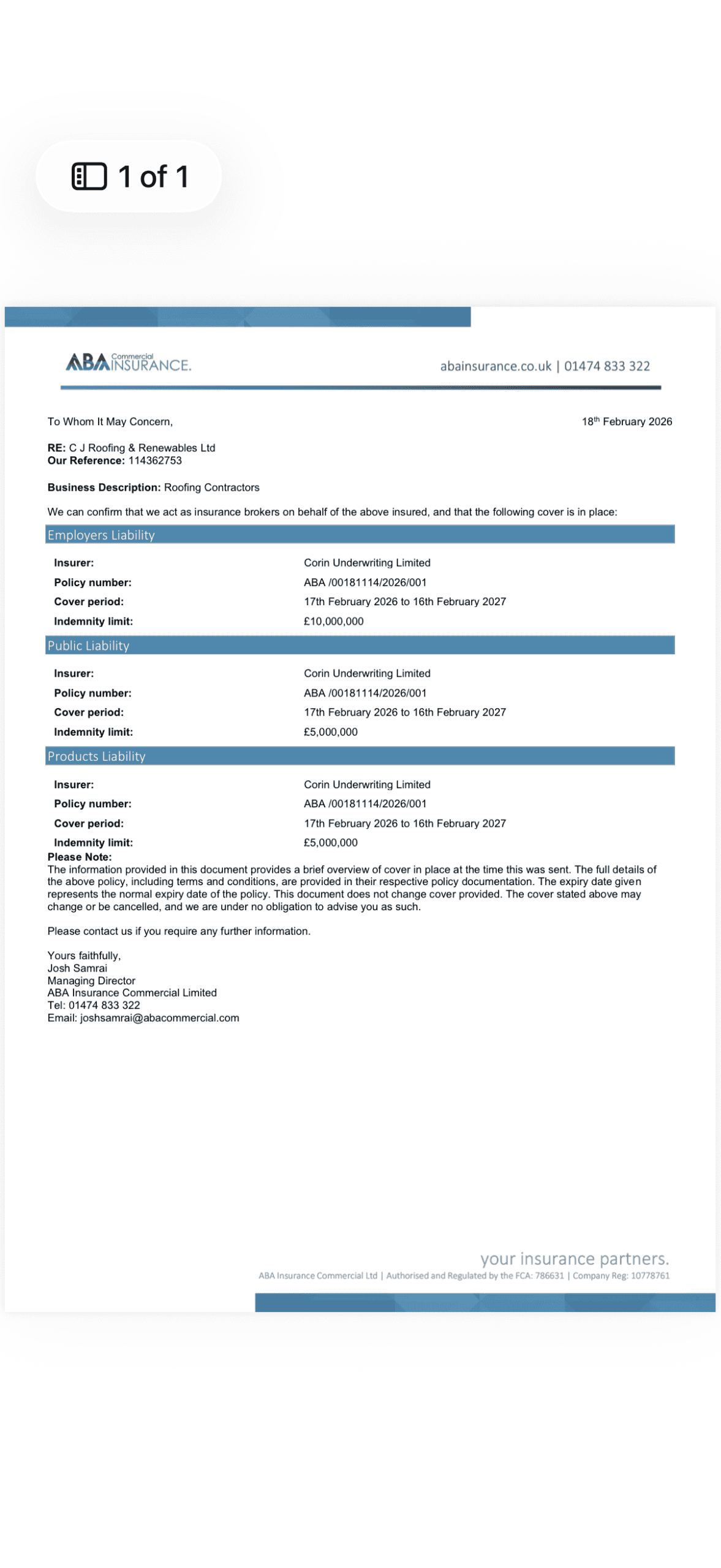
£5 million public liability insurance
We carry up to £5 million in public liability insurance, giving you complete peace of mind that your property is fully protected while we work.
10 year workmanship guarantee
All new roof installations and replacements come with a 10-year workmanship guarantee, so you are covered in the unlikely event of any issues.






Frequently asked questions
Take a look at the Frequently Asked Questions regarding our Single-Ply Roofing service.
How are single-ply seams tested after welding?
Each welded seam undergoes a seam-probe test, a visual inspection, and is documented with a photograph. Larger roofs may also undergo a 24-hour flood test where the design permits.
We run the probe along the full seam length. A sound weld resists the probe; a weak weld may allow the probe to enter the joint, and any such issue is corrected immediately with the hot-air gun.
Testing includes:
- Hand-probing along seams
- Sprung-gauge pull on trims
- Flood testing flat areas with blocked outlets
- Smoke testing upstands and termination bars
What surface preparation is required for a single-ply membrane?
A single-ply membrane requires a clean, dry, and contaminant-free surface for reliable adhesion. Residues such as bitumen, silicone, old paint, and oily dust can each impede bonding.
We remove the old covering, replace any damaged boards, and assess moisture levels with a probe. Elevated readings require drying out or board replacement before the surface is swept, vacuumed, and primed with a compatible primer.
Common contaminants include:
- Bitumen from previous materials
- Silicone from old seals
- Paint overspray
- Fungal growth
- Oily dust
- Mortar traces
The deck is wiped thoroughly with a clean cloth to remove all residues, and the process is repeated where necessary.
How is complex detailing managed on a single-ply roof?
Complex detailing is achieved using pre-formed corner pieces and pipe collars. Double-laminated patches reinforce stress points, and each component is welded directly to the main sheet.
Upstands are taken at least 150mm above the finished membrane level, and wall edges are capped with termination bars. Flanges are custom-formed and welded at all penetrations, including pipes and skylights.
Junctions requiring multiple upstands are formed in careful stages, with no reliance on temporary or provisional fixes at any point in the process.
How do single-ply roofs handle weather conditions?
Single-ply roofs are designed to withstand weather exposure through secure bonding and welded seams. Wind exposure on the site influences our choice of fixing patterns during installation.
Sheets are anchored against wind uplift using mechanical fixings, ballast, or adhesive bonding, with edges secured tightly to perform in severe weather conditions.
Ponding tolerance is an important consideration: short-term ponding is generally harmless, while prolonged ponding accelerates wear. Proper fall design using tapered insulation prevents this from occurring.
What checks confirm a roof deck is ready for single-ply installation?
Deck readiness checks for single-ply installation include moisture probes, flex tests, and fastener pull-out checks. Any deficiencies with boards, moisture readings, or fixings are resolved before the membrane is laid.
The deck is probed systematically, and any suspect areas are addressed before work progresses. Joist ends are inspected, and falls are verified with precision tools.
Different single-ply materials carry specific moisture tolerances, and our thorough deck checks confirm that the substrate is fully ready before installation begins.