Cladding Replacement Hampshire
Cladding Replacement Services in Hampshire
Cladding is the protective layer installed on a building’s exterior to shield it from wind, rain and moisture. Over time, boards can warp, split and allow water to penetrate behind the surface layer. Once moisture reaches the wall behind, the timber frame, battens and insulation are at risk of decay.
C J Roofing & Renewables Ltd specialises in cladding replacement throughout Hampshire. Our process covers the removal of the old cladding, a thorough inspection of the underlying wall, and a new wall cladding installation with a full rainscreen build-up. Every new installation is backed by our 10-year workmanship guarantee.
Your written, itemised quote follows within 48 hours of the survey. Call 07512976384 for a free quote. We respond within 48 hours.
What are the signs your cladding needs replacement?
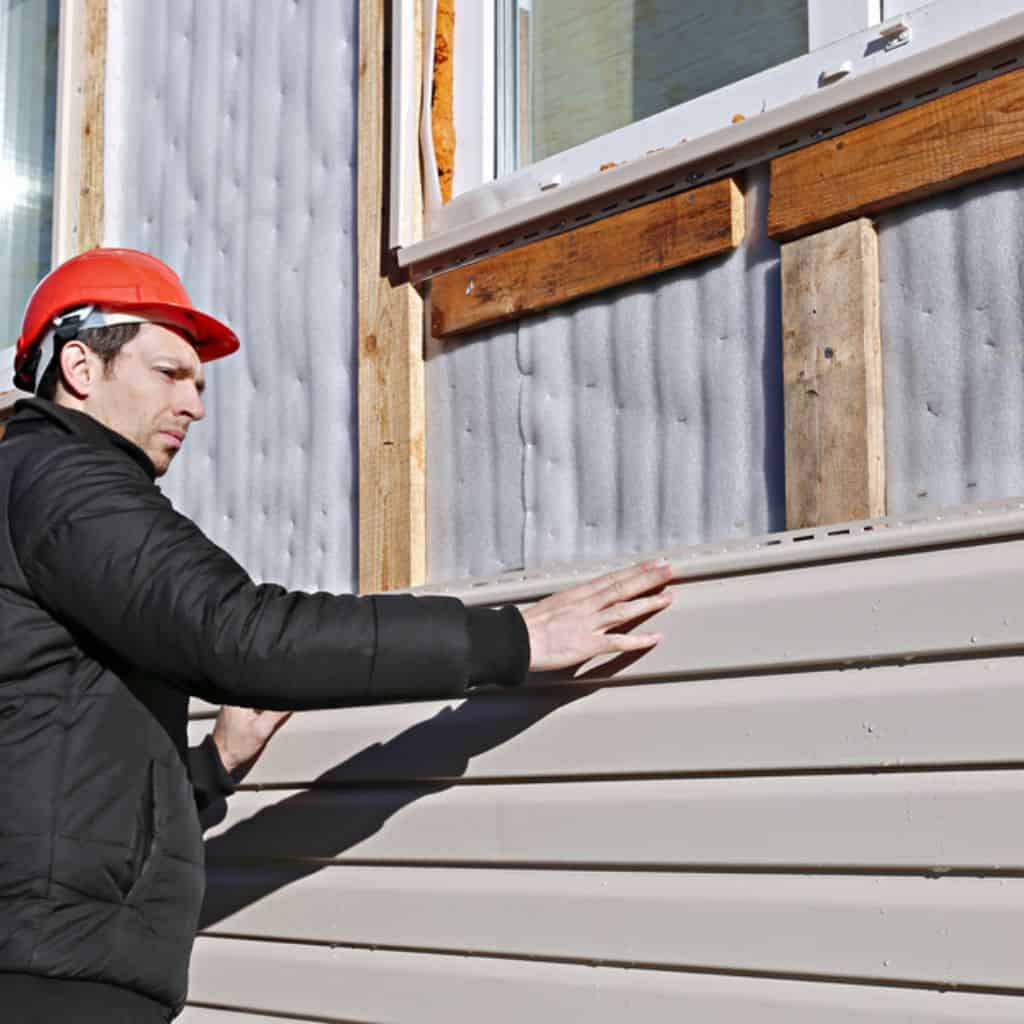
Warped boards, open joints, soft timber and damp patches on the interior wall are clear indicators that the cladding needs replacing. Each of these signs points to a compromised protective layer and the potential for water to be entering behind the boards.
Common signs visible from the ground include:
Boards that are bowed or cupped, especially on south-facing walls
Boards that are visibly bowed or cupped indicate that the cladding has absorbed moisture and warped over time. South-facing walls are particularly vulnerable due to intense UV exposure and repeated thermal cycling, which causes materials to expand and contract with each change in temperature.
Warped boards no longer sit flush against the wall, creating gaps through which water can penetrate behind the cladding. This compromises the weatherproof layer and can lead to decay in the underlying battens and frame. Where only a few boards have bowed, a localised cladding repair may resolve the problem before full replacement is needed.
Joints that have split wide enough to fit a coin
Joints that have opened sufficiently to insert a coin indicate that the cladding has lost its structural integrity. These gaps allow wind-driven rain to enter the cavity behind the boards.
Once water penetrates behind the cladding it can become trapped, causing damage to the breather membrane, battens and insulation. Full replacement is often necessary when joint failure is widespread.
Paint that has faded to grey on weathered uPVC boards
uPVC boards that have faded to grey indicate advanced weathering and UV degradation. Although uPVC is low-maintenance by nature, through-coloured finishes should retain their tone considerably better than woodgrain foils over time.
Faded, brittle uPVC is more susceptible to cracking and splitting, particularly in coastal areas where salt accelerates deterioration. Replacement restores both weather protection and appearance.
Green biofilm growing on shaded north-facing elevations
Green biofilm or algae growth on shaded north-facing elevations suggests that moisture is consistently present on the cladding surface. This is common in Hampshire’s damp climate, particularly on elevations that receive little direct sunlight.
While biofilm can often be cleaned away, persistent growth can indicate that the cladding is retaining moisture for extended periods. This can lead to softening of the timber battens and eventual failure of the underlying weatherproofing.
Rust streaks emanating from old fixing heads
Rust streaks running down from fixing heads indicate that the metal fixings are corroding, often as a result of salt-laden air or moisture trapped behind the cladding. This is particularly common on coastal properties.
Corroding fixings lose their holding strength and can allow boards to work loose. On coastal installations, stainless A4 fixings are used to prevent rust and ensure long-term durability.
Hampshire homes near the coast often experience faster deterioration, with salt and wind driving moisture into weak points. Brittle uPVC can degrade more quickly in coastal locations than on inland properties.
If you notice any of these signs, contact us at 07512976384 for an inspection.
Why does failed cladding put your home at risk?
Cladding serves as the home’s primary weather shield. When it fails, rain can reach the underlying wall and cause rot in the battens, along with damage to the internal plaster. Once boards split or lift, water is able to penetrate behind the surface layer.
Moisture trapped in the cavity can worsen the damage through freeze-thaw cycles, deepening existing cracks. Battens may soften and lose their grip on fixings, resulting in cold bridges across the wall and higher heating costs.
Damp appearing on the interior wall surface is often a late warning sign. By this stage, the breather membrane behind the cladding has likely failed. Our full cladding replacement service addresses all potential leak paths within a single programme of work.
What does our cladding replacement process involve?
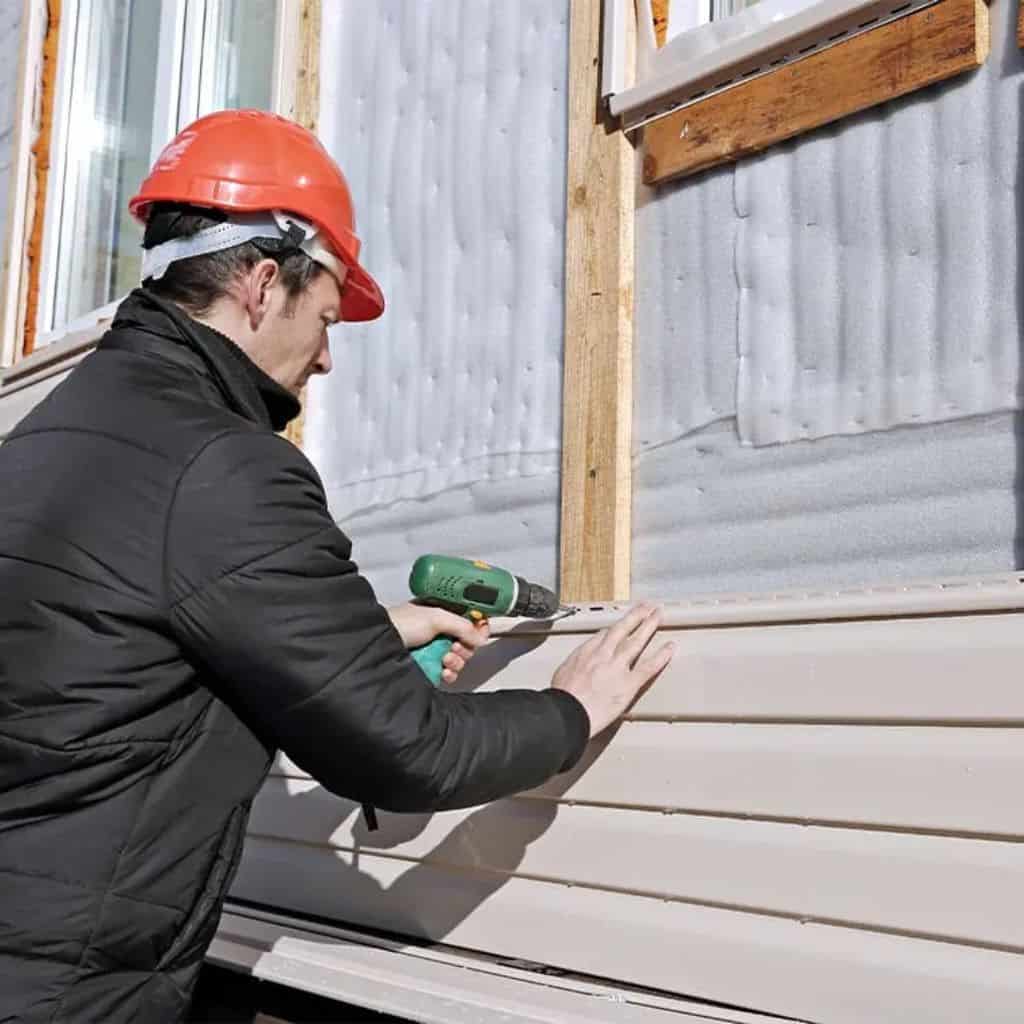
Our cladding replacement process is structured in five stages: survey, strip-out, substrate repair, new installation, and snag walk.
Our on-site procedure includes:
Survey: measure elevations, check construction, log defects
We begin with a thorough survey, measuring all elevations, checking the wall construction and recording all visible defects. This includes noting board condition, joint gaps, fixing corrosion and any evidence of damp.
The survey informs the material selection, access requirements and the precise scope of work. Coastal properties are assessed for salt exposure to determine the correct fixings and materials.
Strip-out: remove old boards, extract fixings, clear waste
All old cladding boards are carefully removed, fixings are extracted and waste is cleared to a covered skip. Materials are separated into distinct streams – timber, uPVC, fibre cement and metals – to maximise recycling.
For properties built before 2000, asbestos testing is conducted before removal begins. Where asbestos is confirmed, it is handled by a licensed contractor under separate consignment notes.
Substrate repair: repoint brickwork, replace battens, install membrane
Once the old cladding has been removed, we inspect the wall and carry out any necessary repairs. This includes repointing loose brickwork, replacing rotten battens and installing a fresh breather membrane.
A sound substrate is essential for the longevity of the new installation. Any cold bridges or thermal breaks are addressed at this stage.
New install: position treated battens, install chosen boards
Treated battens are positioned at 600mm centres, followed by installation of your chosen cladding boards. On coastal installations, stainless A4 fixings are used to prevent rust, and the manufacturer’s spacing guidelines for expansion gaps are followed on every board.
Materials can include fibre cement (A2 fire rated), treated cedar or larch, or high-grade uPVC weatherboard, selected on the basis of wall type, budget and neighbourhood aesthetics.
Snag walk: final inspection from scaffold and ground
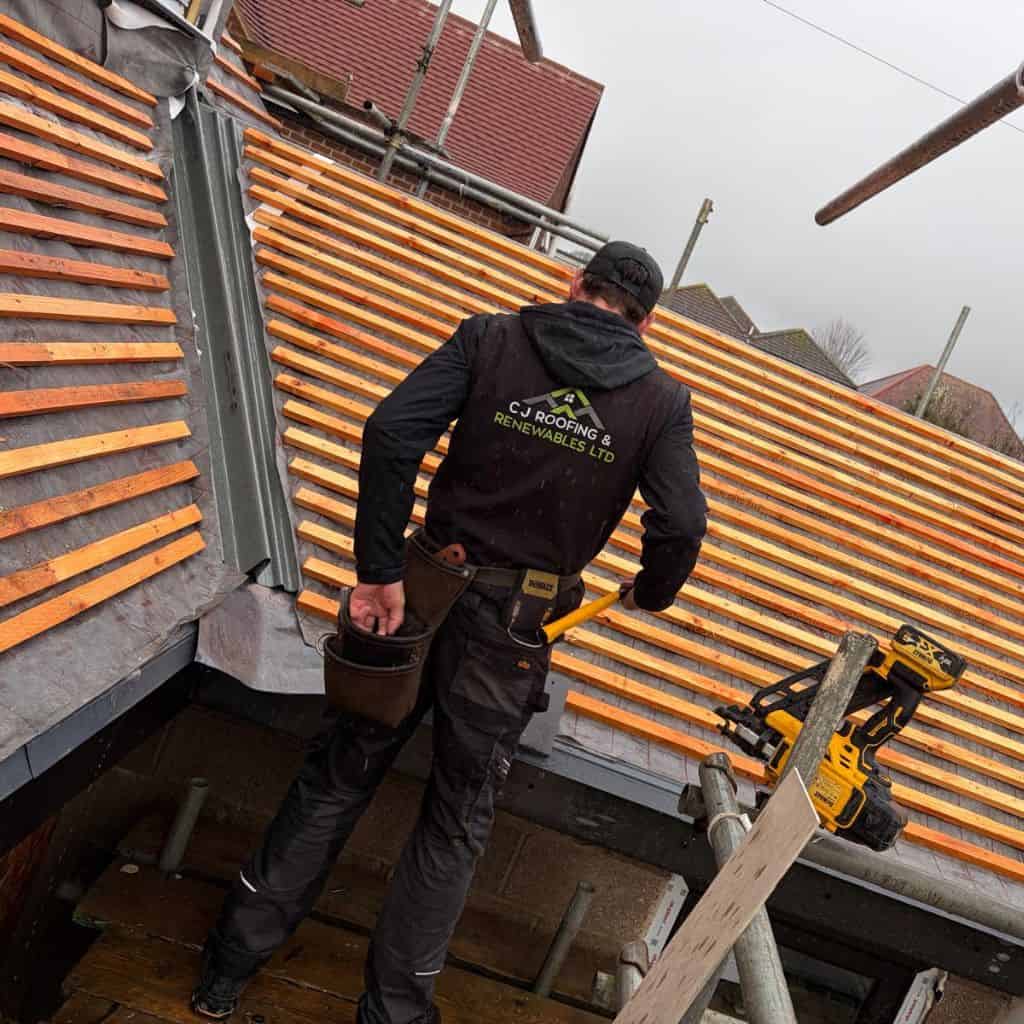
A final inspection is carried out from both scaffold and ground level, with photographic documentation of the completed work. Any minor adjustments are made during this snag walk.
The new installation is backed by a 10-year workmanship guarantee covering fixings, junctions and weatherproofing details. The job completion pack includes the manufacturer’s product warranty terms.
What materials work best for cladding replacement in Hampshire?
The most suitable cladding materials for Hampshire homes include fibre cement, treated cedar and high-grade uPVC weatherboard. Each offers distinct resistance to salt air and driving rain.
Fibre cement boards carry an A2 fire rating and can be lapped or clicked together over a ventilated cavity, resisting salt mist and retaining their colour on sun-exposed walls.
Cedar and larch develop a silver patina that complements rural cottages well. These timbers can be oiled or stained every five to seven years on exposed elevations.
uPVC weatherboard is well suited to semis and bungalows, is straightforward to clean with a hose, and through-coloured finishes tend to hold their tone better than woodgrain foils.
We help you select the appropriate material based on wall type, budget and neighbourhood aesthetics during the survey.
How long does a cladding replacement take?
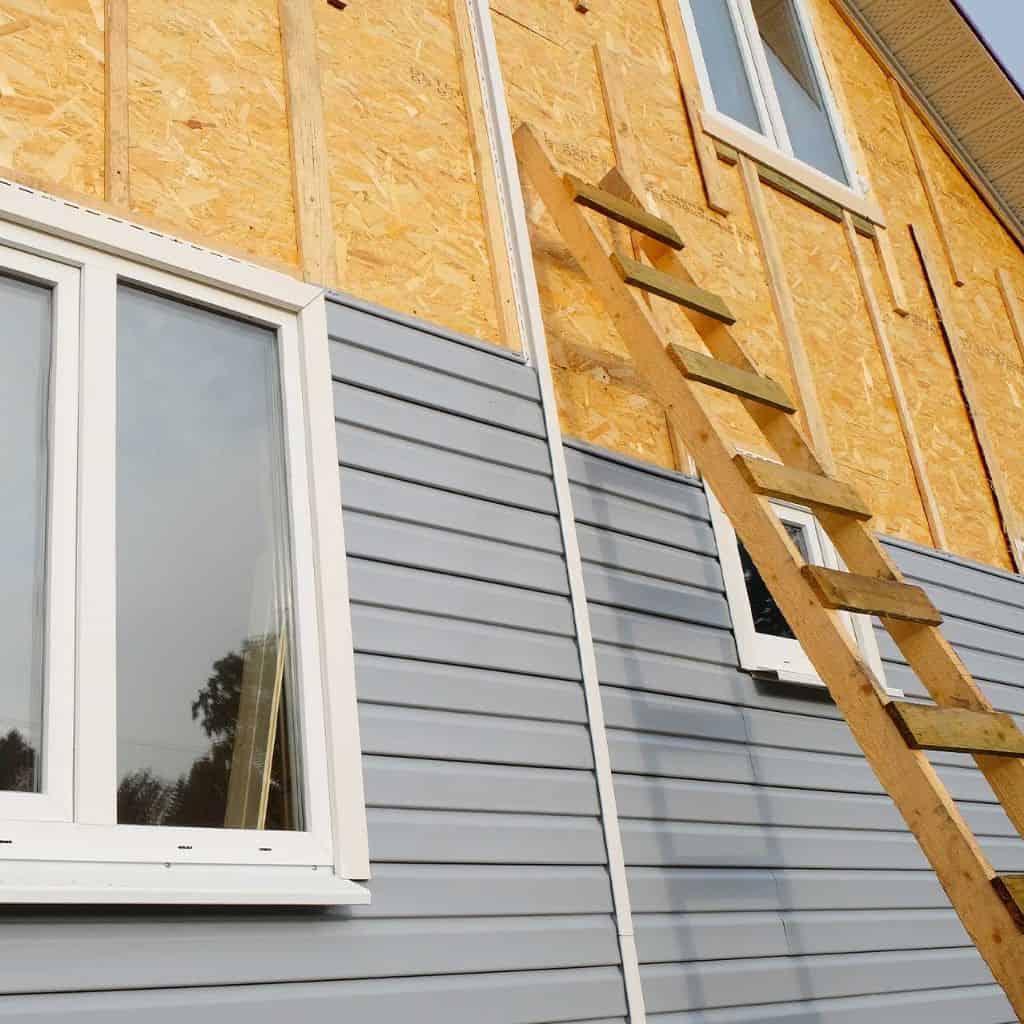
A full cladding replacement typically requires 5 to 14 working days for a standard three-bedroom semi-detached home. Single elevations on a terraced property can be completed more quickly, while larger detached homes may take longer.
Weather conditions can affect the programme. Sealants and tapes require a dry substrate to cure correctly, so heavy rain or frost may cause delays.
The condition of the substrate also has a bearing on the timeline. Fixing battens to a solid brick wall can be completed within a day, whereas carpentry work required on a deteriorating timber frame will add further days before the new cladding can be installed.
Why Choose C J Roofing & Renewables Ltd for Cladding Replacement in Hampshire?
Over 15 years of experience
Connor and Jack bring over 15 years of combined hands-on roofing experience, delivering everything from small domestic repairs to large-scale commercial projects across Hampshire.

Locally based in Hampshire
Based in Portsmouth with deep local roots, we understand Hampshire's homes, weather and building styles, which allows us to deliver roofing work that lasts.
5-star rated service
We are proud to be rated 5 stars on Google by our customers, reflecting the quality of our workmanship and our commitment to reliable, professional service.
Competent & highly trained team
Our team is fully trained and certified in asbestos awareness, working at height and manual handling, ensuring every project is carried out safely and to industry standards.
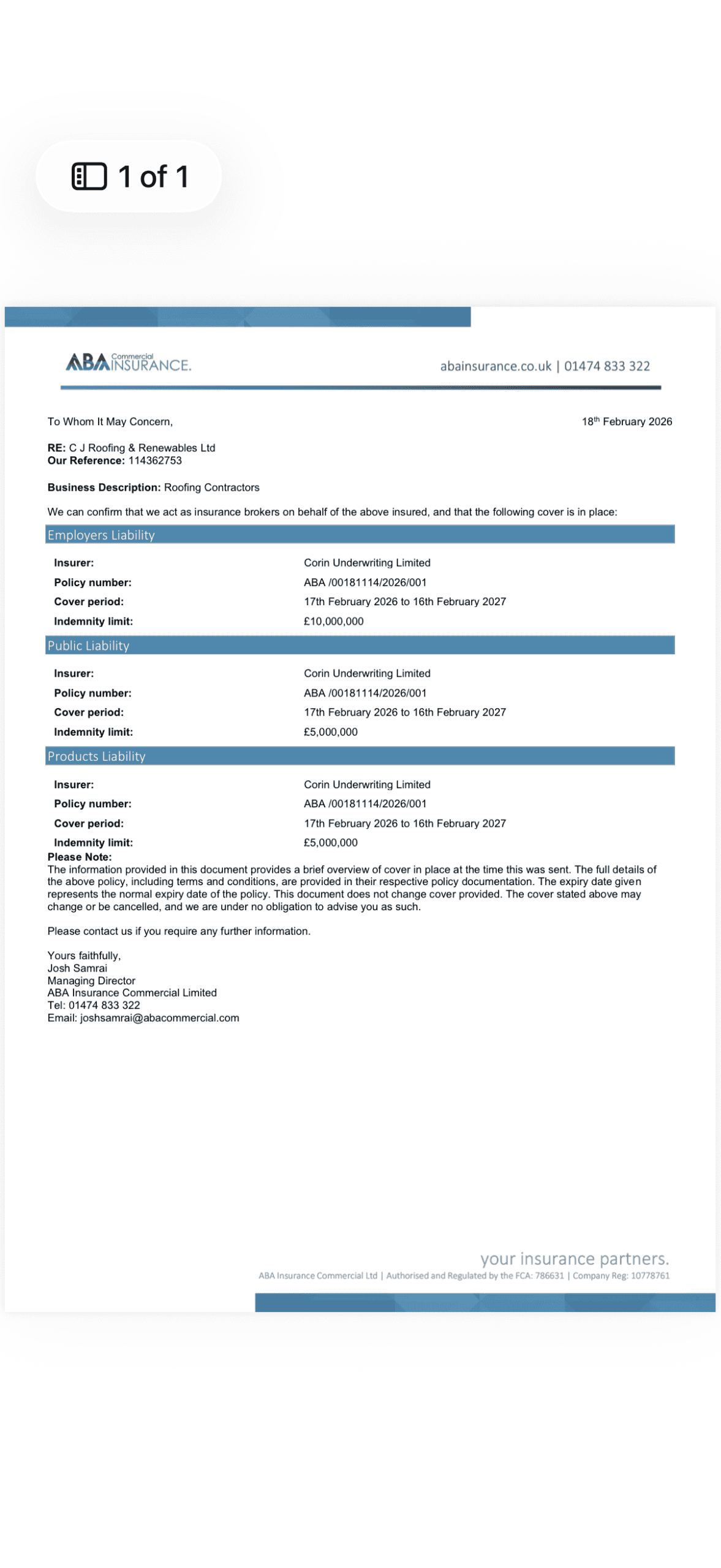
£5 million public liability insurance
We carry up to £5 million in public liability insurance, giving you complete peace of mind that your property is fully protected while we work.
10 year workmanship guarantee
All new roof installations and replacements come with a 10-year workmanship guarantee, so you are covered in the unlikely event of any issues.






Frequently asked questions
Take a look at the Frequently Asked Questions regarding our Cladding Replacement service.
What guarantee comes with new cladding?
New cladding installations include a 10-year workmanship guarantee covering fixings, junctions and weatherproofing details. The board manufacturer provides an additional product warranty, with the terms included in your job completion pack.
Do you offer a free quote before quoting cladding replacement?
Yes. Every Hampshire cladding replacement quote begins with a free, no-obligation site survey.
Can you work on listed or conservation-area homes?
Yes, we can work on such homes provided the appropriate listed-building consent has been obtained from the local planning authority. Hampshire is home to many Grade II properties.
Original timber weatherboarding, hanging tiles and render finishes are often part of the protected structure. The conservation officer must approve matching profiles, exposure and colour before work begins. Sample panels are installed on a hidden return for approval.
We use copper or stainless ring-shank nails where traditional fixings are required, with modern stainless screws reserved for non-listed properties.
How do you match new cladding to your home's style?
We match new cladding by profile, colour, exposure width and corner detail. A 1930s semi may feature horizontal shiplap in cream or sage, while an Edwardian villa might suit vertical board-and-batten in heritage greens.
The process begins at the survey. We photograph each elevation and take colour readings from the existing finish, then install sample panels on a hidden return so they can be viewed in different lighting conditions.
We give particular attention to reveals around windows and doors. Mitred corners, drip flashings and breather strips are matched to the era of the property, and you approve the final shade on site.
What happens to the old cladding and waste?
Old cladding is removed and taken to the relevant waste disposal centres. We separate timber, uPVC, fibre cement and metals into distinct streams to maximise recycling.
Properties built before 2000 may contain asbestos cement boards, so testing is conducted before any removal takes place. Where asbestos is confirmed, it is handled by a licensed contractor under separate consignment notes, as we do not carry out licensed asbestos removal.